Living Room Makeovers · Color and Paint Choices · Accent Walls: How to Choose the Right Color ·
Choosing the Perfect Color for Your Accent Wall
Explore how to select the right color for your accent wall, including design ideas, DIY tips, and current trends in home décor.
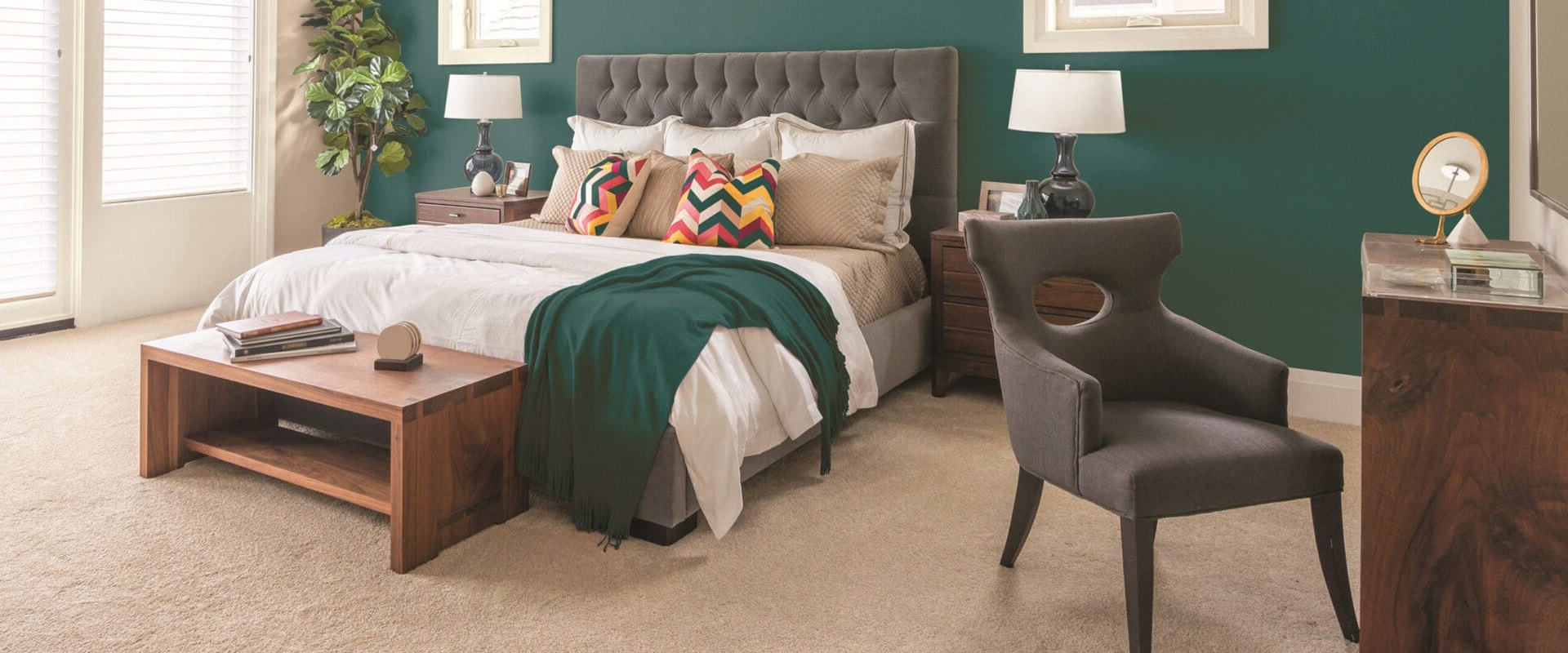
Are you ready to transform your living space into a stunning showcase of style and personality? An accent wall can serve as the perfect focal point in your home, adding depth and character to any room. But how do you decide which color will not only enhance your space but also reflect your unique taste? In this article, we will guide you through the essential factors to consider when choosing the right color for your accent wall. From understanding the psychology of colors to analyzing the natural light in your living room, selecting the perfect hue can feel overwhelming. However, with the right approach and a little creativity, you can create a harmonious environment that speaks to who you are. Whether you prefer bold and vibrant shades or subtle and calming tones, this guide will help you navigate the exciting world of color and paint choices.Join us as we delve into the art of color selection for your accent wall, offering tips, inspiration, and practical advice that will elevate your living room makeover.
Let’s unlock the potential of your walls and breathe new life into your home!Choosing the right color for your accent wall is a pivotal decision in home design that can significantly enhance the overall aesthetic of a room. An accent wall serves as a focal point, drawing the eye and adding depth to your space. Before diving into color options, it’s essential to consider several factors that can influence your choice. Firstly, think about the room's size. Larger rooms can handle darker or more vibrant colors without feeling cramped, while smaller spaces may benefit from lighter shades that create an illusion of openness.
Additionally, consider the lighting conditions. Natural light can alter the perception of colors throughout the day; for example, a color that looks great in bright sunlight may seem entirely different in the soft glow of evening light. It’s wise to observe how the light interacts with different hues at various times to ensure you’re making an informed choice. The existing color schemes in your room also play a crucial role. An accent wall should complement, not clash with, the surrounding colors.
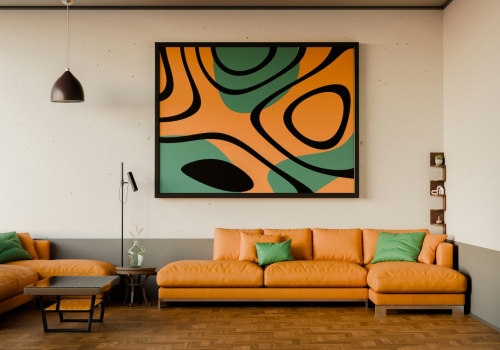
Take note of your furniture, flooring, and other decorative elements to find a harmonious balance. If your room features neutral tones, you might choose a bold color for your accent wall to create striking contrast. On the other hand, if your decor is already vibrant, you may want to select a more subdued hue to avoid overwhelming the senses. Moreover, the psychological effects of colors can profoundly influence mood and ambiance. For instance, warm tones like reds, oranges, and yellows evoke feelings of warmth and comfort, making them ideal for cozy spaces like living rooms or dining areas.
Conversely, cool tones such as blues and greens promote tranquility and relaxation, making them perfect choices for bedrooms or bathrooms. Understanding these psychological impacts can guide you toward a color that not only looks good but also feels right. When it comes to specific recommendations for popular color choices, consider soft earth tones for a welcoming atmosphere in living rooms. Shades like terracotta or muted mustard can create an inviting space where family and friends feel at ease. In contrast, calming blues or gentle greens work wonderfully in bedrooms, helping to foster a serene environment conducive to rest and relaxation. Testing paint samples is an essential step in the selection process.
Purchase small sample pots of your chosen colors and apply them directly on the wall where you plan to paint. This allows you to see how each hue interacts with both natural and artificial light throughout the day. Additionally, utilizing digital tools can help you visualize how different colors will look before committing to paint. Many paint companies offer apps that allow you to upload photos of your space and digitally try out different shades on your walls. Finally, it's important to acknowledge that personal taste varies greatly when it comes to color preferences.
What works for one person may not resonate with another. Therefore, while it’s beneficial to consider broader design principles and psychological effects of colors, ultimately, trust your instincts when selecting your accent wall color. Your home should reflect your personality and style; after all, it's about creating a space where you feel truly at home. What works for one person may not resonate with another. Therefore, while it’s beneficial to consider broader design principles and psychological effects of colors, ultimately, trust your instincts when selecting your accent wall color. Your home should reflect your personality and style; after all, it's about creating a space where you feel truly at home.
Incorporating Eco-Friendly Paint Options
When choosing a color for your accent wall, it's essential to consider not just aesthetics but also the environmental impact of your paint selection.Eco-friendly paint options
are becoming increasingly popular as homeowners look for ways to renovate their spaces sustainably.These paints are formulated with fewer volatile organic compounds (VOCs), which contribute to air pollution and can affect indoor air quality. One sustainable choice is low-VOC or zero-VOC paints. These products minimize harmful emissions while providing a wide range of colors and finishes. Many brands now offer eco-friendly paints made from natural materials such as plant extracts and minerals, ensuring that your home remains safe for both your family and the planet. Additionally, opting for paints that come in recyclable packaging can further enhance your commitment to sustainability. When selecting a brand, look for certifications like Green Seal or Energy Star, which indicate that the product meets specific environmental standards. To make truly environmentally conscious choices, consider the entire life cycle of the paint you select.
This includes its production, use, and disposal. By choosing eco-friendly options, you not only create a stunning accent wall but also contribute positively to the environment, making your home a reflection of your values.
Understanding Color Psychology
Color psychologyColor psychology plays a crucial role in interior design, especially when it comes to selecting the right hue for your accent wall. Different colors can evoke various emotions and create distinct atmospheres within a room. Understanding these associations can guide your choices and help you achieve the desired effect in your living space. For instance, warm colors like red, orange, and yellow are known to evoke feelings of warmth and energy. plays a crucial role in interior design, especially when it comes to selecting the right hue for your accent wall. Different colors can evoke various emotions and create distinct atmospheres within a room. Understanding these associations can guide your choices and help you achieve the desired effect in your living space. For instance, warm colors like red, orange, and yellow are known to evoke feelings of warmth and energy.A red accent wall can create a vibrant and stimulating environment, making it ideal for social spaces like living rooms. On the other hand, yellow can bring a sense of cheerfulness and positivity, perfect for areas where you want to foster creativity and happiness. In contrast, cool colors such as blue, green, and purple tend to have a calming effect. A blue accent wall can instill tranquility and serenity, making it suitable for bedrooms or meditation spaces. Similarly, green is often associated with nature and balance, promoting a refreshing ambiance that can enhance relaxation. Neutral colors like gray, beige, and white serve as versatile backgrounds that can either complement or contrast with other colors in the room.
Choosing a deep gray for an accent wall can add sophistication while maintaining a soothing atmosphere, making it an excellent choice for more formal settings. Ultimately, understanding the emotional impact of colors allows you to make informed decisions that reflect your personal style and meet the needs of the space. When choosing an accent wall color, consider how you want the room to feel and how different hues can influence that mood. By harnessing the power of color psychology, you can create a space that not only looks beautiful but also resonates with your personality.
Testing Your Color Choices
Choosing the perfect color for your accent wall is an essential step in achieving a harmonious and inviting space. To ensure that your selected hue complements your existing decor and meets your aesthetic goals, it’s crucial to test your color choices effectively.Start by acquiring paint samples of the colors you are considering. Most paint retailers offer small sample pots that allow you to experiment without committing to a full can. Once you have your samples, apply them to a section of the wall you plan to accent. It’s best to paint a rectangle of at least 2x2 feet so you can accurately gauge how the color will look in the space. Next, consider the lighting conditions in your room.
Natural light can significantly alter the appearance of paint colors throughout the day. Observe your test patches in different lighting scenarios—morning light, afternoon sun, and evening glow. This will help you see how the color interacts with varying intensities and qualities of light. Additionally, take note of how the paint looks at night under artificial lighting. The type of bulbs you use (warm vs.
cool) can influence the color's tone and warmth, making it appear different than during daylight hours. It’s also beneficial to compare your test colors against existing decor. Place swatches next to furniture, artwork, or other elements in the room to see how they harmonize. This will give you a clearer picture of how well the color integrates into your overall design scheme. Finally, don’t rush the decision-making process. Allow yourself time to live with the test patches for a few days.
You might notice things about the color that you didn’t initially see, helping you make an informed choice that truly enhances your living space.
Popular Accent Wall Colors
When choosing an accent wall color, it's essential to consider the mood you want to create in your space. Here are some trending colors for accent walls, along with descriptions of their effects in different settings:1.Deep Blue: This rich and calming hue evokes feelings of tranquility and sophistication. It works beautifully in bedrooms or living rooms, providing a serene backdrop that complements both modern and traditional decor.2.Charcoal Gray
: A versatile choice that adds depth without overwhelming a space. Charcoal gray can create a dramatic effect when paired with lighter furniture, making it ideal for home offices or media rooms.3.Warm Terracotta
: This earthy tone brings warmth and coziness to any room.It's perfect for dining areas or kitchens, where it fosters a welcoming atmosphere for family gatherings.
4.Soft Sage Green
: A gentle, muted green that promotes relaxation and harmony. Ideal for bathrooms or bedrooms, it pairs well with natural materials and greenery, enhancing the overall ambiance.5.Vibrant Mustard Yellow
: For those looking to make a bold statement, mustard yellow can inject energy and cheerfulness into a space. It works well in playrooms or creative spaces, inspiring creativity and fun.6.Classic White
: While it may seem simple, a white accent wall can create an illusion of space and brightness. It's an excellent choice for small rooms or areas with limited natural light, providing a fresh and airy feel.7.Rich Burgundy
: This deep red hue adds a touch of luxury and drama to any room.It's particularly stunning in dining rooms or libraries, where it can create an intimate and inviting atmosphere. Choosing the right accent wall color is crucial in achieving the desired effect and enhancing your personal style. Consider how these colors resonate with your room's purpose and existing decor to make the perfect choice.
Visual Inspiration: Before and After Examples
Transforming a room with an accent wall can be a game-changer in home design. To inspire your own projects, let’s take a look at some stunning before and after examples that illustrate the powerful impact of color on a space. In one living room, the before image showcases a dull, beige wall that blends into the background, making the space feel uninspired and monotonous. In contrast, the after image reveals a bold navy blue accent wall that instantly draws the eye, creating a focal point that elevates the entire room.This transformation not only adds depth but also infuses the space with personality. Another example features a cozy bedroom that previously had soft white walls. The before image feels airy yet lacks character. However, in the after image, the introduction of a rich emerald green accent wall brings warmth and sophistication, making the room feel inviting and luxurious. These examples demonstrate how choosing the right color for your accent wall can completely alter the mood and style of a room. Whether you opt for vibrant hues or subtle tones, seeing these transformations can ignite your creativity and help you envision your own accent wall project. As you consider your options, remember that inspiration can come from various sources, including interior design magazines, online platforms like Pinterest, or even visiting local showrooms.
Each before and after scenario highlights not just color choice but also how an accent wall can complement existing decor and enhance the overall aesthetic of your space.
DIY Tips for Creating an Accent Wall
Creating an accent wall can be a rewarding DIY project that dramatically enhances the aesthetic of your living space. To ensure your project is a success, follow these practical tips:1.Prepare the Wall: Start by selecting the wall you want to accentuate. Ensure it is clean and free from dust or grease. If the wall has any imperfections, fill them with spackle and sand it down for a smooth surface.It’s also a good idea to tape off any edges around moldings, windows, or doors to achieve clean lines.
2.Choose the Right Materials:
Invest in high-quality paint that suits your desired finish—matte, satin, or gloss. Additionally, gather your tools: a paint roller, brushes for edges and corners, painter’s tape, a drop cloth to protect your floors, and a ladder if needed. Don’t forget to pick up primer if you are making a drastic color change.3.Apply Paint Effectively:
Begin by applying primer to the wall to ensure even color coverage, especially if you're using a bold hue. Once the primer dries, start painting with your chosen color.Use the roller for large areas and a brush for corners and edges. Apply at least two coats for optimal vibrancy, allowing adequate drying time between each coat.
4.Finishing Touches:
Once your final coat of paint has dried, carefully remove the painter's tape to reveal crisp lines. Stand back and admire your work! Consider adding decorative elements like artwork or shelves to enhance the accent wall further. With these tips in mind, you’ll be well on your way to creating an eye-catching accent wall that reflects your personal style and complements your living space beautifully. In conclusion, we have explored the essential aspects of choosing the right color for your accent wall, emphasizing the significance of color psychology and how it can affect the mood and atmosphere of your space. We discussed popular accent wall colors that can elevate your home design and the importance of testing your color choices before making a final decision.Additionally, we provided valuable DIY tips for creating a stunning accent wall and highlighted eco-friendly paint options to consider for a sustainable approach. Remember, an accent wall is more than just a splash of color; it’s an opportunity to express your personal style and transform your living space. We encourage you to embrace your creativity and select colors that resonate with you personally, ensuring that your accent wall reflects not only your taste but also the purpose of the room. When executed thoughtfully, an accent wall can serve as a focal point that ties your entire decor together. Additionally, we provided valuable DIY tips for creating a stunning accent wall and highlighted eco-friendly paint options to consider for a sustainable approach. Remember, an accent wall is more than just a splash of color; it’s an opportunity to express your personal style and transform your living space. We encourage you to embrace your creativity and select colors that resonate with you personally, ensuring that your accent wall reflects not only your taste but also the purpose of the room. When executed thoughtfully, an accent wall can serve as a focal point that ties your entire decor together.