Bathroom Renovation Tips · Decor and Finishes · Selecting the Right Tile for Your Bathroom ·
Choosing the Perfect Tile for Your Bathroom
Explore essential tips and trends for choosing the right tiles for your bathroom renovation, including design ideas, eco-friendly options, and practical advice.
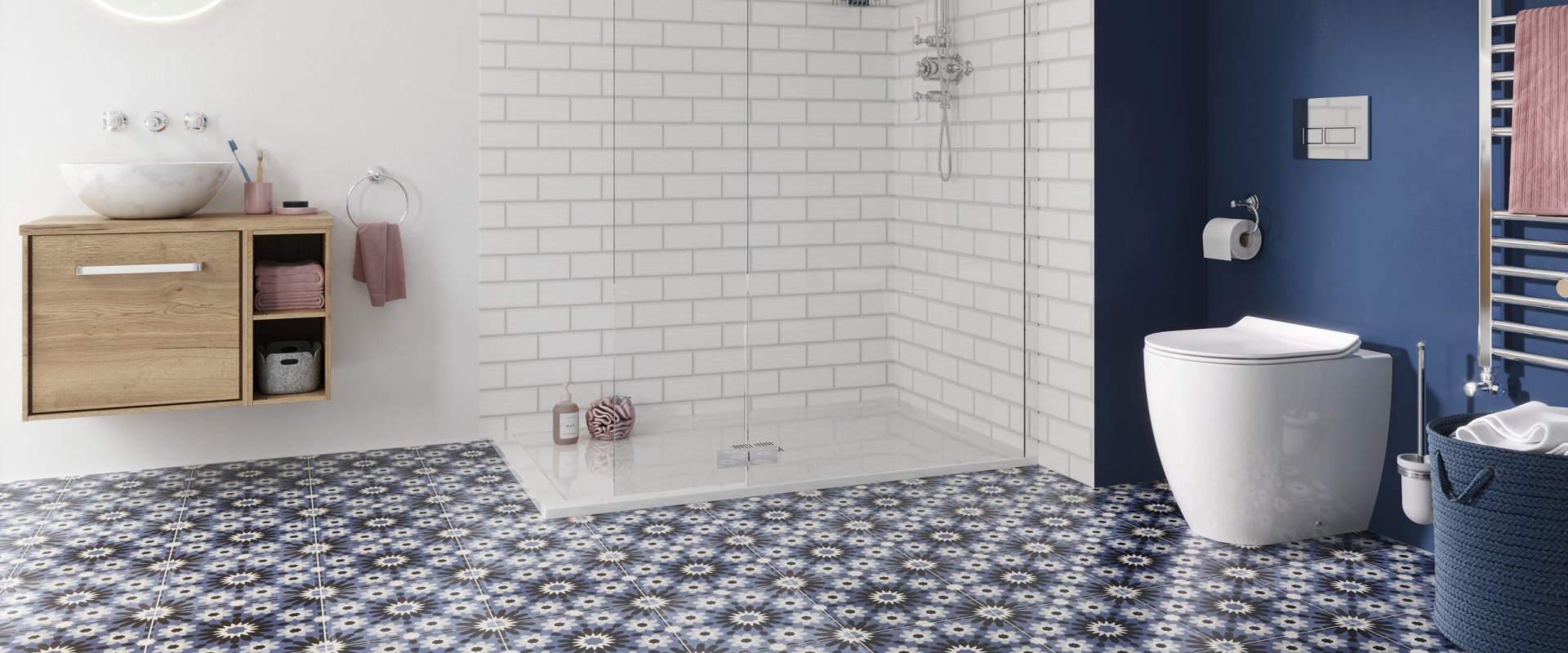
Embarking on a bathroom renovation journey can be both exciting and overwhelming. One of the most crucial decisions you will face is Embarking on a bathroom renovation journey can be both exciting and overwhelming. One of the most crucial decisions you will face is choosing the perfect tile for your bathroom. The right tile not only enhances the aesthetic appeal of the space but also contributes significantly to its functionality and durability. With a multitude of options available, from ceramic and porcelain to natural stone and glass, selecting the ideal tile can seem like a daunting task. As you dive into the world of tiles, it’s essential to consider various factors such as the size of your bathroom, your personal style, and how you intend to use the space.
Are you looking for a luxurious spa-like retreat or a vibrant, family-friendly environment? Understanding your needs will guide you in making informed choices that reflect your personality and lifestyle. In this article, we will explore the key aspects of selecting the right tile for your bathroom. We’ll discuss the different types of tiles available, their unique characteristics, and how they can transform your bathroom into a stunning sanctuary. Whether you’re aiming for a modern minimalist look or a classic design, our tips will help you navigate through the myriad of options and find the perfect match for your renovation project. Prepare to unleash your creativity and bring your vision to life as we guide you through this exciting process. Let’s dive into the world of bathroom tiles and discover how to make your dream bathroom a reality!When embarking on a bathroom renovation, one of the most crucial decisions you'll make is selecting the right tile for your bathroom.
The tiles you choose can significantly influence the overall aesthetics, durability, and functionality of the space. With a myriad of options available, it can be overwhelming for homeowners to navigate through their choices. Understanding key considerations can help streamline the process and ensure that your final selection aligns with both personal style and practical requirements. First, consider the type of tiles available.
Ceramic tiles
are a popular choice due to their affordability and versatility.They come in various colors and designs, making them suitable for any bathroom aesthetic. However, while they are durable, they may not be as resistant to moisture as some other options.
Porcelain tiles
, on the other hand, are denser and less porous than ceramic, making them an excellent option for areas exposed to water. They are often more expensive but provide superior durability and can mimic natural stone.Glass tiles offer a modern aesthetic and reflect light beautifully, which can help make a small bathroom feel larger. However, they require careful installation and maintenance to prevent chipping. Finally, stone tiles, such as marble or slate, provide a luxurious look but can be more susceptible to staining and require sealing to maintain their appearance. Once you have an idea of the tile types that suit your needs, it's essential to think about color schemes. Neutral tones like whites, grays, and beiges are timeless and can create a serene environment.
For those looking to make a bolder statement, vibrant colors or patterned tiles can add personality and flair to your bathroom. Current design trends also emphasize mixing materials and textures; for example, pairing matte tiles with glossy finishes can create visual interest while maintaining harmony in the space. The layout of the tiles is another aspect that should not be overlooked. Patterns such as herringbone or chevron can add dimension to your bathroom floor or walls. Additionally, larger format tiles are trending as they create fewer grout lines, which means easier maintenance and a cleaner look.
When planning your design, consider how patterns will flow with the overall layout of your bathroom. Practicality comes into play when measuring space and calculating the tile quantity needed. Start by measuring the dimensions of your walls and floors accurately. It's advisable to add an extra 10% to your total measurement to account for cuts and mistakes during installation. This will help ensure you have enough tiles to complete the project without having to make last-minute purchases that could disrupt your design flow. Budgeting is another critical factor in selecting the right tile for your bathroom.
Prices can vary significantly based on material type, brand, and even location. On average, ceramic tiles may cost around $1 to $5 per square foot, while porcelain may range from $3 to $10 per square foot. Glass tiles can be more costly, often exceeding $15 per square foot. Don’t forget to factor in installation costs, which can add an additional $4 to $12 per square foot depending on complexity.
It's essential to set a realistic budget that includes all aspects of the renovation. Sustainability is becoming increasingly important in home renovations; therefore, consider exploring eco-friendly tile options. Many manufacturers now offer recycled materials or sustainably sourced products that minimize environmental impact while still providing beauty and functionality. Opting for eco-friendly tiles not only contributes to sustainable practices but can also enhance the appeal of your bathroom renovation. Before-and-after examples can serve as powerful inspiration during your . Many manufacturers now offer recycled materials or sustainably sourced products that minimize environmental impact while still providing beauty and functionality. Opting for eco-friendly tiles not only contributes to sustainable practices but can also enhance the appeal of your bathroom renovation. Before-and-after examples can serve as powerful inspiration during your tile selection process. Imagine transforming a dated bathroom with plain white ceramic tiles into a modern oasis using stunning patterned porcelain or vibrant glass accents. . Many manufacturers now offer recycled materials or sustainably sourced products that minimize environmental impact while still providing beauty and functionality. Opting for eco-friendly tiles not only contributes to sustainable practices but can also enhance the appeal of your bathroom renovation. Before-and-after examples can serve as powerful inspiration during your tile selection process. Imagine transforming a dated bathroom with plain white ceramic tiles into a modern oasis using stunning patterned porcelain or vibrant glass accents.
Such transformations illustrate how thoughtful tile selections can dramatically alter the feel of a space while reflecting personal style. Ultimately, selecting the right tile for your bathroom requires careful consideration of various factors including tile type, color schemes, patterns, budgeting, and sustainability. By taking the time to research and plan effectively, you can achieve a beautiful and functional bathroom that meets both your aesthetic desires and practical needs.
Color and Design Trends
When it comes to selecting tiles for your bathroom, color and design trends play a crucial role in creating a space that reflects your personal style while also maintaining functionality. Recent trends have seen a shift towards more muted tones, earthy hues, and soothing color palettes that promote relaxation. Shades of soft blues, greens, and warm neutrals are particularly popular, as they evoke a sense of calm and tranquility, perfect for a personal retreat. In addition to color palettes, various design motifs can add character and flair to your bathroom.Geometric patterns are making a comeback, offering a modern twist to traditional designs. Hexagonal tiles, for instance, can create a visually striking effect when used as a backsplash or on the floor. Furthermore, floral and botanical prints are gaining traction, bringing a touch of nature indoors and enhancing the overall ambiance. Another trend worth noting is the use of textured tiles. These add depth and interest to your bathroom space.
Consider using textured porcelain or stone tiles to create a unique visual experience. The contrast between smooth and textured surfaces can elevate the design while ensuring practicality in high-moisture areas. Ultimately, choosing the right color and design motif not only enhances the aesthetics of your bathroom but also contributes to its overall functionality. Take the time to explore various options and consider how each choice aligns with your vision for the space.
Measuring and Budgeting for Tile
When embarking on your bathroom renovation journey, measuring your space accurately is crucial to ensure a successful tile installation. Start by using a tape measure to determine the dimensions of your walls, floors, and any other surfaces where tiles will be applied.It’s important to measure both the length and width of each area and note any irregularities, such as alcoves or fixtures that may affect tile placement. Once you have all your measurements, calculate the total square footage by multiplying the length by the width for each section. Don’t forget to account for areas that won’t require tiling, like the space occupied by vanities or toilets. After you’ve measured your space, it’s time to move on to budgeting. Begin by researching the types of tiles you are interested in. Prices can vary significantly based on material, style, and brand.
Create a list of potential tiles and their costs per square foot. This will help you compare options and determine how much tile you’ll need based on your earlier measurements. To estimate the total cost, multiply the square footage needed by the cost per square foot of your chosen tiles. Additionally, consider purchasing extra tiles (typically 10-15% more) to account for cuts and breakages during installation. Finally, don’t forget to factor in costs for installation materials and labor if you're hiring professionals.
Having a clear understanding of both measuring and budgeting will set you up for success in selecting the right tile for your bathroom renovation.
Visual Inspiration: Before-and-After Examples
When it comes to selecting the right tile for your bathroom, visual inspiration can be a powerful tool. Seeing real-life transformations can help you imagine the possibilities for your own space. In this section, we will showcase several before-and-after examples that illustrate how the right tile choices can dramatically change the look and feel of a bathroom. Consider a typical bathroom that features outdated, dull tiles. The before image may reveal a space that feels cramped and uninviting, with colors that clash and patterns that do not complement each other.By swapping these tiles for modern, vibrant options—such as large-format porcelain tiles or stylish mosaic designs—the after image can showcase a fresh and revitalized area. This transformation emphasizes how the right tiles can enhance aesthetics and create a more welcoming atmosphere. Another compelling example might involve a small bathroom that feels even smaller due to heavy, dark tiles. In the before image, the room could appear cluttered and unappealing. However, by replacing these tiles with lighter colors or glossy finishes, the after image might reveal a bright and airy space that feels larger and more open.
This transformation highlights the importance of choosing tiles that not only fit your style but also enhance the functionality of your bathroom. In summary, showcasing these before-and-after examples serves as visual proof of how important tile selection is in any bathroom renovation project. As you explore your options, remember that the right tile can elevate your space beyond mere functionality—it can also reflect your personal style and contribute to an overall sense of well-being in your home.
Eco-Friendly Tile Options
When it comes to bathroom renovations, making eco-friendly choices can significantly impact both the environment and your home's overall aesthetic. Sustainable tile options are not only visually appealing but also contribute to a healthier planet. By selecting tiles made from natural or recycled materials, homeowners can enhance their bathrooms while minimizing their ecological footprint.Ceramic and Porcelain Tiles
are among the most popular eco-friendly options available.Often made from natural clay, these tiles are durable, water-resistant, and can last for many years. Additionally, many manufacturers are now producing tiles that incorporate recycled materials, further promoting sustainability.
Glass Tiles
are another excellent choice for environmentally conscious homeowners. They are typically made from recycled glass, which reduces waste in landfills and utilizes fewer resources compared to traditional materials. Glass tiles come in a variety of colors and finishes, offering a unique look while being easy to clean and maintain. For those seeking a more natural aesthetic, Natural Stone Tiles like slate or limestone can be an ideal choice.These materials are sourced directly from the earth, providing a timeless look that blends beautifully with any bathroom decor. However, it's essential to consider the quarrying practices of the supplier to ensure they prioritize sustainability. Lastly, consider Bamboo Tiles, which have been gaining popularity due to their rapid growth and renewability. Bamboo is a grass that can be harvested without damaging the ecosystem, making it a highly sustainable option. Bamboo tiles can add a unique texture and warmth to your bathroom design. In conclusion, choosing eco-friendly tile options not only benefits the environment but can also elevate the style and functionality of your bathroom.
By exploring these sustainable materials, homeowners can create a space that reflects their commitment to both beauty and environmental responsibility.
Types of Tiles: What's Right for Your Space?
When it comes to selecting the perfect tile for your bathroom, understanding the different tile materials available and their specific applications is crucial. Each type of tile offers unique benefits that can enhance both the aesthetics and functionality of your space.Ceramic Tiles
are one of the most popular choices for bathroom floors and walls. They are durable, water-resistant, and come in a vast array of colors and patterns, making them suitable for various design styles. Ceramic tiles are easy to clean and maintain, making them an excellent option for high-moisture areas.Porcelain Tiles
are similar to ceramic tiles but are denser and less porous, which enhances their durability.They can be used for both floors and walls but are especially advantageous for high-traffic areas due to their resistance to scratches and stains. Porcelain tiles can also mimic the look of natural stone or wood, providing versatility in design.
Natural Stone Tiles
, such as granite, marble, or slate, offer a luxurious aesthetic but require more maintenance. These tiles are ideal for creating a spa-like atmosphere in your bathroom. However, they can be more expensive and may need sealing to prevent water damage and stains.It’s important to consider their placement carefully; while they can be stunning on walls, they may not be the best option for shower floors due to their slip resistance.
Glass Tiles
add a modern touch to bathrooms and are great for accent walls or backsplashes. They reflect light beautifully, making small spaces appear larger. However, glass tiles can be more fragile than other materials, so they might not be suitable for flooring.Vinyl Tiles
provide a budget-friendly alternative that is both waterproof and easy to install. They come in various designs, including those that mimic the appearance of stone or wood.Vinyl is comfortable underfoot and can work well in any area of the bathroom. Ultimately, when choosing tiles for your bathroom, consider the specific requirements of each area—floors typically need more durable materials than walls—and align these choices with your personal style preferences. Understanding the characteristics of each tile type will help you create a beautiful and functional bathroom space that meets your needs.
Types of Tiles: What's Right for Your Space?
When it comes to bathroom renovations, selecting the right tile is crucial for both aesthetic appeal and functionality. There are several types of tiles available, each suited to different areas of your bathroom. Understanding the characteristics of these materials will help you make an informed decision.Ceramic Tiles
are one of the most popular choices for bathrooms due to their durability and water resistance.They are available in various styles and colors, making them versatile for both floor and wall applications. While they are slip-resistant when textured, it's essential to choose a grout that can withstand moisture.
Porcelain Tiles
are a subtype of ceramic tiles that offer even greater durability and water resistance, making them ideal for high-moisture areas. Their dense composition allows them to be used effectively on floors, providing a sturdy surface that can handle heavy foot traffic.Natural Stone Tiles
, such as granite, marble, and slate, add a luxurious touch to your bathroom. However, they require more maintenance due to their porous nature and susceptibility to staining.These tiles are often best suited for walls or decorative accents rather than floors, especially in wet areas.
Vinyl Tiles
have gained popularity as a budget-friendly option for bathroom floors. They are water-resistant, easy to install, and come in a variety of designs. Vinyl tiles can mimic the look of natural materials while providing comfort underfoot.Glass Tiles
are another excellent option for creating stunning visual effects in your bathroom. Often used as accents or on walls, they can reflect light and create a sense of space.However, glass tiles can be slippery when wet, so it's best to avoid them on floors.Ultimately, the right tile selection depends on your personal style and the specific requirements of each area in your bathroom. By considering the characteristics of these different tile materials, you can enhance both the beauty and functionality of your space.
Types of Tiles: What's Right for Your Space?
When it comes to selecting the right tile for your bathroom, understanding the different types of tiles available is crucial. Each material has its unique features, benefits, and ideal applications within your space.Ceramic tiles
are one of the most popular choices for bathroom renovations. They are durable, water-resistant, and come in a wide variety of colors and patterns.Ceramic tiles are perfect for both floors and walls, making them versatile for any bathroom design. Their non-porous surface makes them easy to clean, which is an essential factor in maintaining a hygienic bathroom.
Porcelain tiles
, a type of ceramic tile, offer even greater durability and water resistance. They are denser and less porous than standard ceramic tiles, making them an excellent choice for high-traffic areas and wet zones like showers. Their ability to mimic natural stone or wood adds an elegant touch to your bathroom design.Natural stone tiles
, such as marble, granite, or slate, bring luxury and sophistication to any bathroom.However, they require more maintenance due to their porous nature. Natural stone is best suited for walls or as accents rather than floors where water exposure is frequent. Proper sealing can help mitigate water damage and stains.
Glass tiles
are another stylish option that can add depth and brightness to your bathroom. They are often used as a backsplash or decorative feature on walls rather than flooring due to their slippery surface.Glass tiles reflect light beautifully, enhancing the overall ambiance of the space. Finally, consider vinyl tiles, which provide a cost-effective solution with a myriad of design options. They are water-resistant and comfortable underfoot, making them suitable for bathroom floors. However, they may not offer the same durability as ceramic or porcelain tiles. In conclusion, the right tile for your bathroom depends on the specific area you’re working with and your personal style preferences. By understanding the characteristics of each tile type, you can make an informed decision that enhances both the functionality and aesthetics of your space. In conclusion, selecting the right tile for your bathroom is a crucial step in ensuring a successful renovation that marries aesthetics with functionality.
We discussed various types of tiles available, along with contemporary color and design trends that can elevate your space. Additionally, we explored practical aspects such as measuring and budgeting for tile, as well as the availability of eco-friendly tile options that cater to sustainability. It is essential to remember that while trends can guide your choices, your personal style should take center stage. Take your time in choosing tiles that not only reflect who you are but also meet the practical needs of your bathroom. We encourage you to visit local tile stores or browse online resources to gather further inspiration that aligns with your vision.