Eco-Friendly Renovations · Energy Efficiency Upgrades · $1000 Energy Savings: Retrofits That Pay Off Quickly ·
Unlocking $1000 in Energy Savings Through Smart Retrofits
Explore impactful retrofitting projects that can save you $1000 on energy costs and enhance your home's value and sustainability.
In today's world, where energy costs are soaring and environmental concerns are more pressing than ever, homeowners are increasingly seeking ways to reduce their energy consumption. One of the most effective methods to achieve significant savings is through strategic renovations and upgrades. With the right approach, it is entirely possible to unlock $1000 in energy savings$1000 in energy savings through smart retrofits that not only enhance the comfort of your home but also contribute positively to the planet. The concept of retrofitting involves making improvements to existing structures to boost their efficiency without the need for complete overhauls. Whether you’re looking to replace outdated appliances, enhance insulation, or install energy-efficient windows, each small change can lead to substantial long-term savings.
In this article, we will explore various retrofitting options that not only pay off quickly but also align with your sustainability goals. Join us as we delve into the world of energy efficiency upgradesenergy efficiency upgrades, highlighting practical solutions that allow you to maximize your investment while minimizing your carbon footprint. From understanding the benefits of energy-efficient technologies to actionable tips on how to get started, this guide is designed to empower you with the knowledge necessary to make informed decisions about your home’s energy consumption. The importance of energy efficiency in modern homes cannot be overstated. As energy costs continue to rise, homeowners are increasingly looking for ways to reduce their bills while contributing to environmental sustainability. By investing in smart retrofits, homeowners can achieve significant financial benefits and help protect the planet.
Numerous studies have shown that energy-efficient homes not only lower utility costs but also enhance the overall value of the property. According to the U.S. Department of Energy, homeowners can save as much as $1,000 annually through various energy-saving measures. One of the most effective retrofits for achieving quick payoffs is upgrading insulation. Poor insulation can lead to a substantial loss of heated or cooled air, resulting in higher energy bills.
By improving insulation in attics, walls, and basements, homeowners can significantly reduce their heating and cooling costs. For example, adding insulation can cost between $1,000 and $2,500 depending on the size of the home and the type of insulation used. However, it can yield energy savings of approximately $300 annually, allowing homeowners to recoup their investment in just a few years. Another key retrofit is the installation of energy-efficient windows. Traditional single-pane windows can be responsible for up to 25% of heating and cooling losses.
Upgrading to double or triple-pane windows not only improves thermal performance but also enhances comfort levels indoors. The average cost of replacing windows ranges from $300 to $1,000 per window, but with energy savings averaging about $150 to $300 per year depending on local climate conditions, homeowners can see a return on investment in as little as 5 to 10 years. Switching to LED lighting is another retrofit that offers immediate savings. Compared to traditional incandescent bulbs, LEDs use at least 75% less energy and last significantly longer—up to 25 times longer. While LED bulbs may cost more initially—around $5 to $15 per bulb—the energy savings can be significant.
For instance, replacing a single 60-watt incandescent bulb with a 10-watt LED could save homeowners about $100 over the life of the bulb. Given that an average household has about 40 light fixtures, this upgrade can lead to considerable savings over time. The importance of return on investment (ROI) cannot be overlooked when considering these upgrades. Energy-efficient retrofits not only reduce monthly expenses but can also increase property value significantly. Homes with energy-efficient features often sell for more than comparable homes without them.
A study by the National Association of Realtors found that 66% of buyers are willing to pay more for a home with energy-efficient features, indicating a strong market trend favoring sustainable investments. Homeowners should also be aware of potential grants or incentives available for undertaking these projects. Many local and state governments offer rebates for energy-efficient upgrades, which can help offset upfront costs. Programs like Energy Star or local utility company rebates can provide substantial financial assistance for those looking to retrofit their homes. Despite these advantages, some homeowners may have concerns regarding upfront costs or disruption during renovations. It’s important to recognize that while initial investments may seem high, the long-term savings on energy bills and potential increases in property value often far outweigh these concerns.
Additionally, many retrofit projects can be completed in stages, allowing homeowners to manage costs and disruptions effectively. For example, upgrading insulation can be done room by room, while switching out light fixtures can be done gradually over time. In conclusion, retrofitting homes for improved energy efficiency presents numerous benefits for homeowners. By focusing on projects like enhancing insulation, installing energy-efficient windows, and switching to LED lighting, homeowners can unlock substantial savings on their energy bills while contributing positively to environmental sustainability. With various financial incentives available and the promise of increased property value, there has never been a better time for homeowners to consider these smart retrofits.
Eco-Friendly Design Trends
As homeowners increasingly prioritize sustainability, several eco-friendly design trends are emerging that not only enhance the aesthetics of a home but also significantly improve its energy efficiency.One notable trend is the use of sustainable materials. These materials, sourced from renewable resources or recycled content, reduce the environmental impact of home renovations. For instance, bamboo flooring and reclaimed wood not only offer unique visual appeal but also lower the carbon footprint associated with traditional building materials. Another trend gaining traction is the integration of smart home technology. Devices such as smart thermostats, energy-efficient lighting systems, and automated blinds help homeowners monitor and control their energy usage in real-time.
By adjusting settings based on occupancy and time of day, these technologies can lead to substantial savings on energy bills. Furthermore, the design of homes is shifting towards maximizing natural light through larger windows and open floor plans. This not only reduces reliance on artificial lighting but also creates a healthier living environment. Incorporating elements like green roofs or solar panels further enhances energy efficiency by harnessing renewable energy sources. Overall, these eco-friendly design trends not only contribute to significant $1000 energy savings through reduced utility costs but also align with a growing commitment to environmental stewardship among homeowners.
Budgeting and Financing Your Retrofits
When it comes to making energy-efficient upgrades in your home, effective budgeting is crucial.Budgeting
for energy retrofits involves not only understanding the costs associated with the upgrades but also identifying financing options that can ease the financial burden.Start by evaluating the potential savings from your energy upgrades. For instance, a study by the U.S. Department of Energy indicates that homeowners can save an average of $1,000 annually by implementing various energy efficiency measures. One of the first steps in budgeting is to prioritize which retrofits will yield the highest returns on investment. Common upgrades include enhanced insulation, energy-efficient windows, and modern HVAC systems.
Once you have a clear plan, explore financing options that can help fund your projects. Many homeowners consider loans specifically designed for energy improvements, such as Energy Efficient Mortgages (EEMs) or personal loans with favorable terms. In addition to loans, don't overlook available rebates and tax incentives. Various federal, state, and local programs are designed to encourage energy efficiency. For example, the Federal Residential Energy Efficiency Tax Credit offers tax deductions for certain qualifying improvements.
Researching these opportunities can significantly lower your upfront costs and enhance your overall savings. Another option is to look into utility company programs that may provide rebates for energy-saving installations or offer financing plans with low-interest rates. By taking advantage of these incentives, you can effectively manage your budget and make your retrofits more affordable. Ultimately, strategic planning and knowledge of available resources will empower homeowners to achieve substantial energy savings while enhancing their home's sustainability.
Before-and-After Success Stories
When considering $1000 Energy Savings through retrofits, real-life examples can provide invaluable insights. Homeowners across the country have taken steps to enhance their homes' energy efficiency, resulting in significant financial benefits and a positive impact on the environment. One such success story comes from the Johnson family in Portland, Oregon. After investing in energy-efficient windows and insulation, they noticed a remarkable difference not only in their energy bills but also in the overall comfort of their home.Before the retrofit, their monthly energy expenses averaged around $220. After implementing these upgrades, they saw their bills drop to approximately $130—a savings of $90 each month. This translates to an annual savings of over $1,000, demonstrating how impactful targeted retrofits can be. Similarly, the Garcia family in Austin, Texas, decided to upgrade their outdated HVAC system to a high-efficiency model. Initially, they were hesitant due to the upfront costs.
However, after researching potential savings, they took the plunge. Their previous energy consumption was high due to the inefficiency of their old system, costing them around $250 monthly. Post-retrofit, their expenses fell to $150 per month. Over a year, this decision saved them $1,200—an investment that paid off remarkably quickly. To visually illustrate these transformations, consider before-and-after images showcasing the renovations made in each case.
The Johnsons' new windows not only enhance curb appeal but also reflect a modern aesthetic that aligns with sustainability goals. The Garcias’ upgraded HVAC unit is sleek and efficient, symbolizing a shift towards eco-friendly living. These testimonials highlight the tangible benefits of energy-saving retrofits, showcasing that homeowners can indeed unlock $1000 in Energy Savings while contributing positively to our planet's future.
Top Energy-Saving Retrofits
Insulation Upgrades are one of the most effective retrofitting options for homeowners looking to improve energy efficiency. Proper insulation in attics, walls, and floors can significantly reduce heating and cooling costs. Department of Energy, homeowners can save an average of $200 to $400 per year on energy bills with adequate insulation.The cost for upgrading insulation typically ranges from $1,500 to $4,500, depending on the size of the home and the type of insulation used, with an installation time of about 1 to 3 days.
Energy-Efficient Appliances
are another crucial retrofit that can lead to substantial savings. Replacing old appliances with ENERGY STAR-rated models can yield savings of $100 to $300 annually. While the upfront cost for these appliances may be higher, often ranging from $500 to $2,000, they pay off quickly through reduced energy consumption. The typical replacement time for appliances is about 1 day.Solar Panel Installation
is an increasingly popular option for homeowners aiming for long-term energy savings.The average cost of installing solar panels is around $15,000 to $25,000, but federal tax credits and state incentives can significantly lower this expense. Homeowners can save approximately $1,000 to $2,000 per year on their electricity bills, with installation taking about 1 to 3 days. Over time, solar panels can provide a return on investment that rivals traditional retrofits. By considering these top energy-saving retrofits, homeowners not only enhance their living spaces but also contribute positively to the environment while realizing significant financial benefits.
DIY Tips for Cost-Effective Renovations
When it comes to $1000 Energy Savings, taking on DIY projects can be a rewarding way to enhance your home’s energy efficiency while saving money. Here are some practical approaches that homeowners can undertake to achieve significant energy savings through smart retrofits.1.Weatherproofing Your Home:
Start by identifying drafts and leaks around windows and doors.A simple yet effective method is to use weatherstripping or caulk to seal these gaps. To do this, clean the area around the window or door frame, apply the caulk or place the weatherstripping, and ensure a snug fit. This will not only improve comfort but also reduce heating and cooling costs.
2.Insulating Your Attic:
Proper insulation in your attic can lead to substantial energy savings. Measure your attic space and purchase insulation materials accordingly.To install, wear protective gear, lay down the insulation batts or rolls between joists, and ensure they fit snugly without compressing. This can prevent heat loss in the winter and keep your home cooler in the summer.
3.Upgrading Light Fixtures:
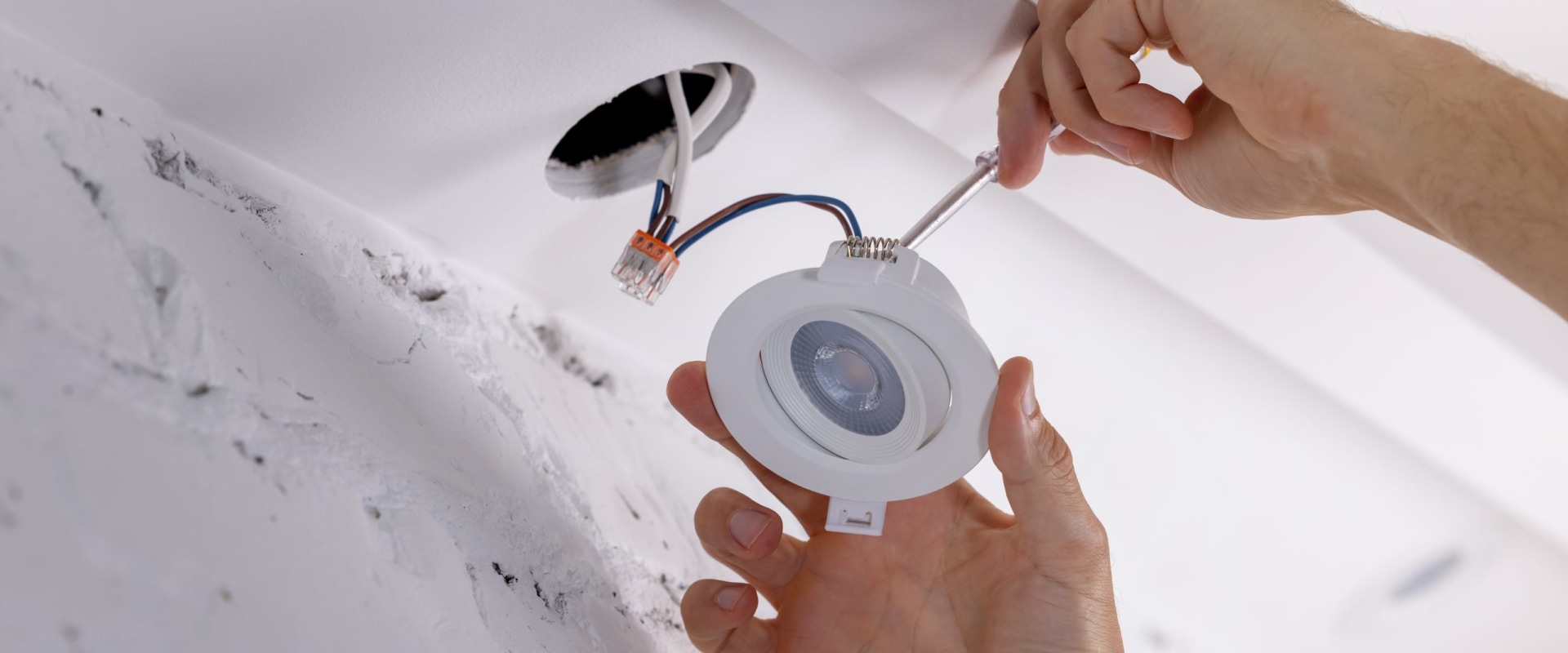
Switching to LED bulbs is an easy DIY project that can significantly lower your energy bills. Simply replace incandescent bulbs with energy-efficient LED options. Not only do they use less energy, but they also have a longer lifespan, making them a cost-effective choice over time.4.Installing a Programmable Thermostat:
A programmable thermostat allows you to set specific heating and cooling schedules based on your daily routine.Follow the manufacturer’s instructions for installation, which typically involves connecting wires from the old thermostat to the new one and programming it according to your preferences. This can help you save energy by ensuring that your home is only heated or cooled when necessary.
5.Replacing Old Appliances:
If you're considering upgrading your appliances, look for ENERGY STAR-rated models that consume less energy. While this may not be a DIY project in itself, researching and selecting appliances that have high efficiency ratings can lead to long-term savings on your energy bills. For those looking for more guidance on these DIY projects, numerous online resources and video tutorials are available that provide step-by-step instructions to ensure success. By taking these actions, homeowners not only work towards achieving $1000 in Energy Savings, but also contribute positively to environmental sustainability. Investing in energy-efficient retrofits is not just a smart financial decision; it is also a commitment to enhancing your home's comfort and reducing your environmental footprint.By implementing the right upgrades, homeowners can unlock substantial savings, with many retrofits paying off quickly. Statistics show that households can save up to $1,000 annually through thoughtful renovations. These improvements not only reduce utility bills but also increase property value and create a more sustainable living environment. As we’ve explored in this article, the journey toward energy efficiency is filled with practical options, from simple DIY tips to comprehensive financing strategies for larger projects. Moreover, observing the success stories of others who have taken the plunge can inspire you to envision the potential of your own home. We encourage you to take action today.
Start planning your renovations and consider how each upgrade can transform your living space while contributing positively to the planet. The future of your home—and the environment—depends on the choices you make now.