Home Design Trends · Furniture Trends · Vintage and Retro Styles Making a Comeback ·
Vintage and Retro Styles Making a Comeback in Home Design
Discover how vintage and retro styles are influencing modern home renovations, with practical tips, design ideas, and current trends.
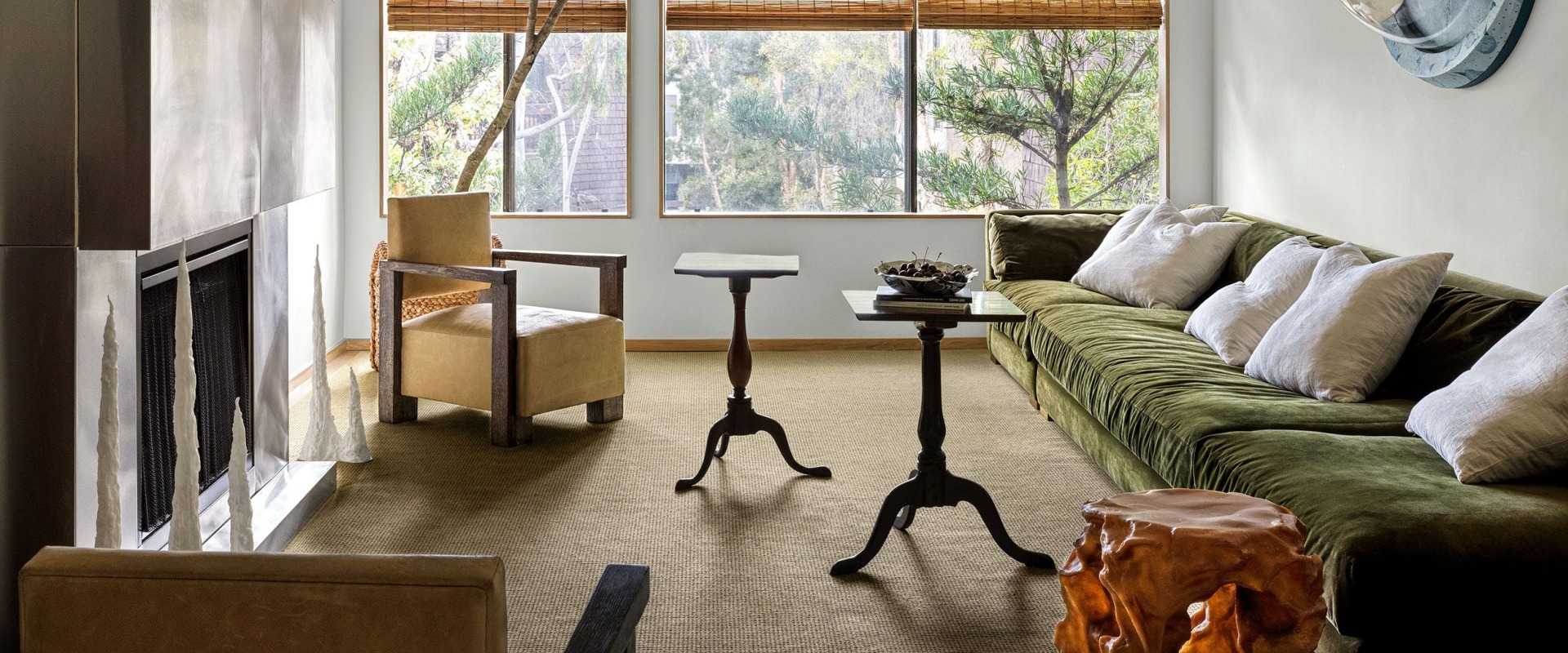
In recent years, vintage and retro styles have transcended mere nostalgia, making a significant comeback in the realm of home design. As we find ourselves increasingly drawn to the charm and character of the past, these styles offer a unique blend of history, artistry, and warmth that modern designs often lack. From mid-century modern furniture to art deco accents, the resurgence of these timeless aesthetics is more than just a fleeting trend—it's a celebration of craftsmanship and individuality. As we delve into this captivating revival, we'll explore how vintage and retro styles are reshaping our living spaces, infusing them with personality and inviting stories from eras gone by. Whether it’s the vibrant colors and playful patterns of the 70s or the sleek lines and understated elegance of the 50s, each style brings its own flair to contemporary interiors.
Join us as we uncover the reasons behind this movement, the key elements to incorporate in your home, and how you can effortlessly blend these nostalgic influences with modern touches for a harmonious design. The resurgence of vintage and retro styles in home design is not just a fleeting trend; it's a powerful movement that speaks to the emotional connections many people have with the past. In today’s renovation landscape, these styles offer a sense of warmth and familiarity in an increasingly fast-paced world. Homeowners are drawn to the charm and character of designs that tell a story, evoking nostalgia for simpler times and cherished memories. This article aims to inspire you with practical tips for incorporating vintage and retro aesthetics into your home renovations. When it comes to specific areas of the home, let’s start with the kitchen—a space where vintage vibes can truly shine.
Consider installing retro appliances in pastel colors or classic white. These can serve as statement pieces while providing modern functionality. To enhance the vintage feel, opt for checkerboard flooring or subway tiles, which are reminiscent of mid-20th century kitchens. Mixing and matching dining sets with mismatched chairs can also create an inviting atmosphere that reflects a bygone era. In bathrooms, vintage styles can be achieved by incorporating clawfoot tubs, pedestal sinks, and hexagonal floor tiles.
These elements add a timeless elegance that many contemporary designs lack. For a touch of retro flair, consider using wallpaper with floral prints or geometric patterns common in the 60s and 70s. Vintage mirrors and light fixtures can also serve as focal points that elevate the space while remaining functional. The living room is another perfect area for embracing vintage and retro styles. Think about incorporating statement furniture pieces like a mid-century modern sofa or an antique coffee table.
Layering textures with throw pillows and blankets can add depth while creating a cozy feel. Vintage artwork or framed photographs can personalize the space, making it feel more inviting and lived-in. For those looking to achieve a vintage look on a budget, DIY projects can be incredibly rewarding. Sourcing materials from thrift stores, flea markets, or garage sales can lead to unique finds that add character to your home. Repurposing old furniture is another cost-effective way to infuse vintage charm into your space.
A simple coat of paint or new upholstery can transform outdated pieces into stunning focal points that reflect your style. Budgeting considerations are crucial for any renovation project, especially when aiming for vintage aesthetics. It’s essential to set a clear budget before diving into renovations. Prioritize which rooms need immediate attention and allocate funds accordingly. Consider financing options such as personal loans or home equity lines of credit if your renovation plans exceed your current budget.
Additionally, always keep an eye out for sales or discounts on materials and furnishings to maximize your budget.Eco-friendly renovations can beautifully align with Additionally, always keep an eye out for sales or discounts on materials and furnishings to maximize your budget. Eco-friendly renovations can beautifully align with vintage aesthetics. Using reclaimed wood for flooring or furniture not only adds character but also contributes to sustainability efforts. Incorporating energy-efficient appliances in a vintage style ensures that your home remains environmentally friendly without sacrificing charm. Additionally, choosing low-VOC paints can contribute to healthier indoor air quality while allowing you to achieve the desired vintage look. Current trends within vintage and retro styles include bold color palettes reminiscent of the 70s, featuring deep greens, mustard yellows, and burnt oranges.
Patterns such as paisleys, florals, and abstract designs are making a comeback in textiles and wallpaper. When selecting furniture, consider iconic pieces like Eames chairs or Scandinavian-style tables that blend seamlessly with contemporary elements while maintaining their vintage appeal. While embracing vintage and retro styles, it’s important to acknowledge the potential disagreements that may arise with modern preferences for minimalism or contemporary designs. Some may argue that sleek lines and open spaces better reflect today’s lifestyle. However, it is entirely possible to blend these aesthetics by incorporating minimalistic elements alongside vintage pieces—achieving a balanced look that honors both styles.
By thoughtfully curating your space, you can create an environment that celebrates the past while remaining relevant in today’s design landscape. The resurgence of vintage and retro styles in home design is more than just a fleeting trend; it signifies a deep-rooted desire for connection and nostalgia. In an era where everything seems to be rapidly changing, many homeowners are finding solace in the familiar aesthetics of the past. These styles evoke memories of simpler times, creating a comforting atmosphere that modern minimalism often lacks. The emotional connection people have to these designs makes them not only appealing but also a wise choice for renovations. When considering specific areas of the home, the kitchen stands out as a prime candidate for vintage revival.
Imagine bright, patterned tiles reminiscent of the 1950s paired with classic white cabinetry and retro appliances. Adding open shelving can create an inviting space reminiscent of grandma's kitchen, while bar stools with chrome accents can complete the nostalgic look. For those looking to incorporate vintage flair into their bathrooms, think clawfoot tubs, pedestal sinks, and colorful mosaic tiles that hark back to mid-century designs. These elements bring character and charm, offering a stark contrast to sleek modern fixtures. Living spaces also benefit from the infusion of vintage elements.
Consider sourcing antique furniture pieces or second-hand finds that can serve as statement items within a room. An old trunk can function as a coffee table, while vintage armchairs can add an eclectic touch when paired with contemporary sofas. When approaching DIY projects, repurposing is key. For example, old wooden doors can be transformed into unique headboards or dining tables with a bit of sanding and refinishing. Budgeting for vintage renovations is essential, yet it doesn't have to break the bank.
Thrift stores, garage sales, and online marketplaces are treasure troves for vintage items at affordable prices. Allocating funds for restoration projects can also yield significant savings—refinishing an existing piece of furniture often costs less than purchasing new items. Additionally, consider financing options like home equity loans or personal loans tailored for renovation projects to manage costs effectively while still achieving your desired aesthetic. Embracing eco-friendly practices aligns seamlessly with the vintage aesthetic. Renovating with reclaimed materials not only reduces waste but also adds unique character to your home.
For instance, using reclaimed wood for flooring or furniture pieces brings warmth and a story to your space. Moreover, vintage style often champions sustainability through longevity; investing in well-crafted items from the past means they are less likely to end up in a landfill compared to fast furniture options. Current trends within vintage and retro styles are vibrant and diverse. Color palettes are leaning towards soft pastels and bold jewel tones reminiscent of the 70s, with patterns such as floral prints and geometric shapes making a return. Furniture choices are also evolving; think curvy silhouettes and plush fabrics that invite comfort while maintaining an air of sophistication.
This blend allows homeowners to create spaces that feel both nostalgic and fresh. However, it's important to acknowledge potential disagreements with modern preferences for minimalism or contemporary designs. While some may argue that less is more, vintage styles offer an opportunity for personalization that minimalism often lacks. By carefully curating vintage elements within a mostly modern framework, homeowners can achieve a balanced look that respects both aesthetics without sacrificing individuality. As we witness the revival of vintage and retro styles, it becomes clear that these designs are about more than just nostalgia; they represent a return to authenticity in our living spaces. With thoughtful planning and creativity, anyone can incorporate these cherished styles into their home renovations, creating environments that tell their unique stories while embracing the beauty of the past.
Reviving the Charm: Vintage Kitchen Designs
In the realm of home design, vintage kitchen designs hold a special allure, drawing homeowners back to an era defined by charm and character.These kitchens often feature retro appliances and fixtures that not only serve practical purposes but also add a delightful aesthetic that resonates with nostalgia. When envisioning a vintage kitchen, one cannot overlook the iconic color schemes that characterized the 1950s and 1960s. Pastel shades such as mint green, soft pink, and buttery yellow can evoke a cheerful ambiance reminiscent of classic diners and family gatherings. Alternatively, bold hues like cherry red or deep turquoise can provide a striking focal point, making a statement while still honoring the era's design principles. Incorporating these colors into cabinets, backsplashes, and even small appliances can transform a modern kitchen into a vibrant homage to the past. Pairing these shades with classic elements such as checkerboard floors, farmhouse sinks, and vintage-inspired lighting fixtures can further enhance the retro style, creating a space that is both functional and visually appealing. Furthermore, consider using vintage accessories—think old-fashioned canisters, retro utensils, or patterned textiles—to add personal touches that resonate with memories of yesteryear.
These details not only celebrate the nostalgia associated with vintage designs but also invite warmth and personality into the space. Ultimately, reviving the charm of vintage kitchen designs is about striking a balance between authenticity and modern convenience. By thoughtfully selecting colors, appliances, and decor, homeowners can create kitchens that not only reflect their personal style but also honor the timeless appeal of vintage aesthetics.
Living Spaces: Merging Old with New
The charm of vintage and retro styles lies in their ability to tell a story. By integrating vintage furniture pieces with contemporary decor, homeowners can create living spaces that feel both nostalgic and fresh. This blend not only honors the past but also adds a unique character to modern homes. One effective way to achieve this harmonious mix is by selecting a few standout vintage furniture pieces to serve as focal points in a room.For instance, a mid-century modern armchair can be paired with sleek, minimalist furniture, creating a striking contrast that draws the eye. The key is to maintain a balance; while vintage pieces should stand out, they should also complement the overall aesthetic of the room. Another strategy involves using color and texture to tie together old and new elements. A vintage wooden dining table can be accented with contemporary chairs in bold colors, creating an inviting dining space that feels cohesive yet eclectic. Layering different textures—such as pairing a soft, retro rug with modern leather furniture—can also enhance the visual appeal while adding depth to the design. For those looking to source unique vintage finds, thrift shopping and attending estate sales can yield incredible results.
These venues often offer one-of-a-kind pieces that are not only affordable but also rich in history. When hunting for treasures, keep an open mind and be willing to see potential in items that may require some restoration or repurposing. Incorporating vintage and retro styles into home design is about more than just aesthetics; it’s about creating spaces that reflect personal history and style. By thoughtfully merging old with new, homeowners can cultivate living areas that are both timeless and relevant.
Bathroom Bliss: Retro Inspirations
Bathroom design is often an overlooked area in home renovations, yet it holds incredible potential for showcasing vintage and retro styles. Incorporating elements like clawfoot tubs, patterned tiles, and vintage vanities can transform a mundane space into a serene oasis of nostalgia.Clawfoot tubs
are a quintessential feature of retro bathrooms, exuding elegance and charm.These freestanding bathtubs not only serve as a functional element but also act as a stunning centerpiece. When selecting a clawfoot tub, consider a classic white finish for a timeless look, or opt for vibrant colors to add a playful twist.
Patterned tiles
are another fantastic way to infuse retro inspiration into your bathroom. From intricate mosaics to bold geometric designs, tiles can create visual interest and set the tone for the entire space. Consider using patterned tiles for the floor or as a backsplash behind the sink to make a striking statement.Vintage vanities
complete the look by providing both style and functionality.Look for reclaimed wood pieces or antique finds that reflect the charm of bygone eras. Pairing these with modern sinks and fixtures will create an eclectic blend that captures the essence of both worlds. To successfully mix modern amenities with vintage charm, focus on balance. Incorporate contemporary lighting fixtures that maintain a vintage aesthetic, such as Edison bulbs or ornate sconces. Additionally, consider using modern plumbing systems that ensure comfort without compromising on the nostalgic feel. Ultimately, the key to achieving Bathroom Bliss lies in thoughtfully combining retro elements with modern conveniences, allowing you to enjoy the best of both styles while creating a unique and inviting space.
Eco-Friendly Vintage: Sustainable Choices
As the vintage and retro styles continue to capture the hearts of homeowners, it is essential to embrace these aesthetics in an eco-conscious manner.The beauty of incorporating vintage elements into your home design lies not only in their nostalgic appeal but also in the sustainable choices that can accompany them. By making eco-friendly decisions, you can achieve a charming vintage look while minimizing your environmental impact. One of the most significant ways to pursue a vintage aesthetic sustainably is by using reclaimed materials. Salvaged wood, for example, can be transformed into stunning furniture pieces or accent walls, giving your home character while reducing the demand for new resources. Reclaimed materials often come with a history, adding depth and storytelling to your space. In addition to reclaimed wood, consider sourcing vintage furniture and decor from thrift stores, flea markets, or online marketplaces.
Not only does this approach help you find unique pieces that embody retro charm, but it also promotes recycling and reduces waste. By giving new life to old items, you contribute to a circular economy that values sustainability. Another aspect of creating an eco-friendly vintage home is integrating energy-efficient appliances. When updating your kitchen or laundry area, opt for appliances that carry ENERGY STAR ratings. These modern machines can blend seamlessly with retro designs while significantly reducing energy consumption, allowing you to enjoy the best of both worlds. Furthermore, when selecting paint colors for your vintage-inspired spaces, choose low-VOC or VOC-free options.
These environmentally friendly paints not only help maintain indoor air quality but also come in a wide range of colors that can evoke the spirit of different eras. By focusing on sustainable choices, you can create a home that reflects the beloved styles of the past while caring for our planet. Embracing eco-friendly vintage design enables you to cherish nostalgia without compromising on environmental responsibility.
Budgeting for Vintage: Cost-Effective Renovation Tips
Embracing vintage and retro styles in home design can be an exciting journey, but it’s essential to approach it with a well-thought-out budget. Here are some practical tips to help you manage your finances while still achieving that nostalgic look you desire. First, identify the key areas in your home that need renovation. Prioritize which rooms will benefit most from vintage elements.For example, the living room or kitchen might be great spaces to focus on, as they are often the heart of the home. Once you have pinpointed these areas, consider where to splurge and where to save. When it comes to splurging, think about investing in iconic retro furniture pieces that can serve as focal points. A well-crafted mid-century modern chair or a vintage dining table can elevate the entire room's aesthetic. Look for authentic pieces at local antique shops, estate sales, or reputable online marketplaces. On the other hand, you can save on less visible elements like paint or wallpaper.
Opt for budget-friendly paint options that allow you to achieve that classic vintage look without breaking the bank. You might also consider DIY projects for smaller decor items or accents, such as repurposing old frames or creating your own retro-style wall art. Another aspect of budgeting is considering financing options. Many homeowners may not have the full amount available upfront for a major renovation. Look into personal loans or home equity lines of credit (HELOCs) that can provide the necessary funds without straining your monthly budget too much.
Additionally, some credit cards offer promotional 0% APR on purchases for an introductory period, which can also be a viable option if managed carefully. Lastly, keep an eye out for seasonal sales at furniture stores and online retailers specializing in vintage-inspired items. Many retailers offer discounts during holidays or clearance events, giving you the chance to snag great deals on retro styles.By carefully planning your budget and knowing where to allocate your funds, you can successfully incorporate vintage and retro styles into your home without overspending. With creativity and resourcefulness, your dream of a nostalgic space can become a reality. In conclusion, we have explored the enchanting world of Vintage and Retro Styles Making a Comeback in home design, highlighting how these aesthetics not only revive the charm of yesteryears but also resonate emotionally with many homeowners. From vintage kitchen designs that bring warmth and character to the heart of the home, to retro inspirations in bathrooms that transform everyday routines into delightful experiences, each element plays a vital role in creating a unique living space.
Furthermore, we discussed practical tips for merging old with new in living spaces, ensuring that your home reflects your personal style without breaking the bank. By budgeting wisely and considering eco-friendly options, you can enjoy the best of vintage charm while making sustainable choices. We encourage you to embrace these styles as a way to express your individual taste and enhance your living environment. Whether you’re just starting your renovation journey or looking for fresh inspiration, vintage and retro styles offer endless possibilities. We invite you to share your own renovation stories or seek further inspiration from others who have successfully woven these nostalgic elements into their homes.