Living Room Makeovers · Furniture Arrangement and Selection · DIY Coffee Table Ideas ·
Creative DIY Coffee Table Ideas for Your Living Room
Explore unique DIY coffee table ideas that combine style and functionality, perfect for your living room renovation.
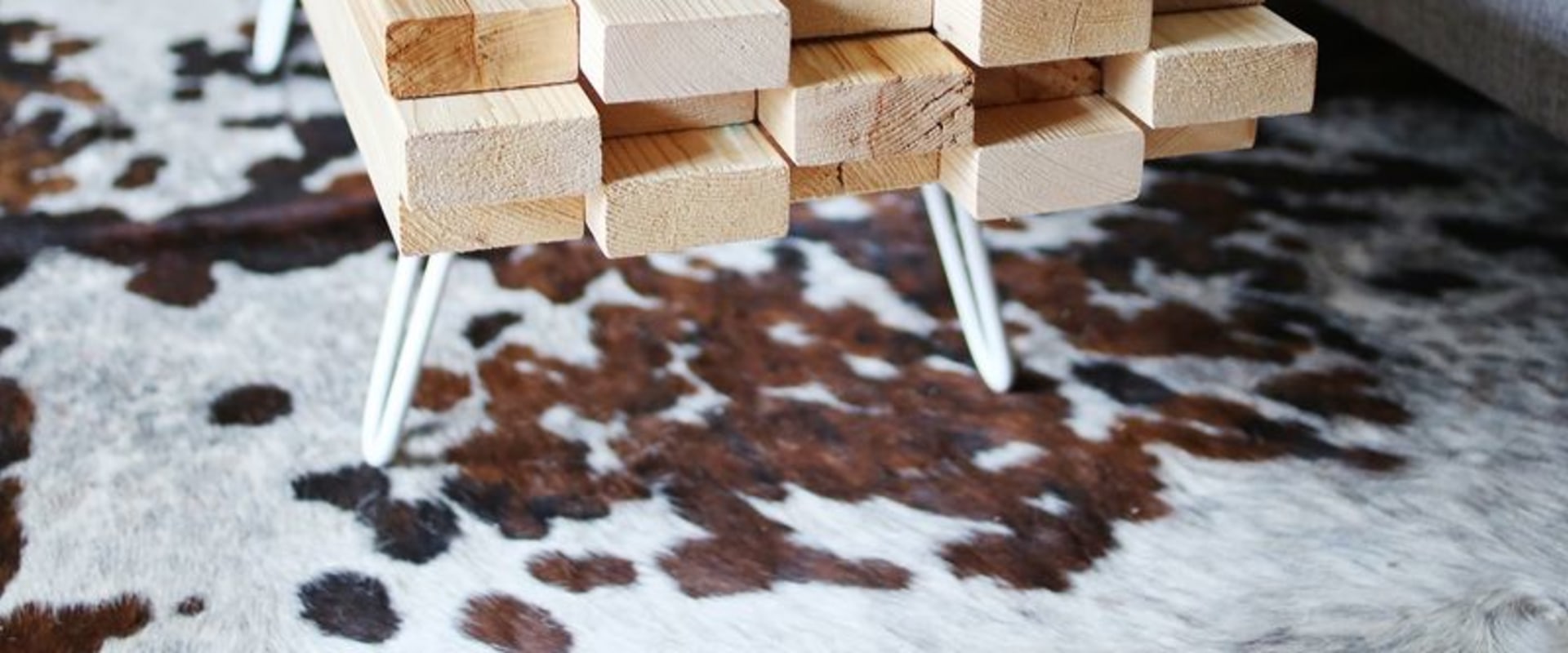
Are you looking to enhance the style and functionality of your living room? A coffee table can be a focal point in your space, offering both aesthetic appeal and practicality. With so many options available, why not take a creative approach and dive into the world of DIY Coffee Table Ideas? Whether you prefer rustic charm or modern minimalism, crafting your own coffee table allows you to express your personal taste while ensuring it fits perfectly within your home. Imagine the satisfaction of transforming ordinary materials into a stunning centerpiece that reflects your unique style.
DIY Coffee Table Ideas
can range from elegant repurposed wood designs to chic industrial-inspired pieces. The possibilities are endless, and each project offers an opportunity to infuse your personality into your living space.Not only will you create a one-of-a-kind piece, but you’ll also save money and enjoy the rewarding experience of building something with your own hands. In this article, we will explore a variety of innovative and inspiring DIY Coffee Table Ideas, perfect for any skill level. From simple designs that require minimal tools to more complex builds that will challenge your creativity, there’s something here for everyone. So roll up your sleeves, unleash your inner designer, and let’s get started on creating the perfect coffee table for your living room!When it comes to living room design, coffee tables play a crucial role in both functionality and aesthetics. A well-chosen coffee table can serve as a stunning centerpiece, inviting conversation while providing a practical surface for drinks, books, and decorative items.
For those looking to personalize their space without breaking the bank, DIY coffee table ideas offer a fantastic solution. By tapping into your creativity and crafting skills, you can create a unique piece that reflects your personal style. One popular approach is using upcycled materials. Consider transforming wooden pallets into a stylish coffee table. Start by sourcing clean pallets; you can often find them at local stores or online marketplaces for free or at a minimal cost.
To begin your project, disassemble the pallets and sand down any rough edges to prevent splinters. Next, arrange the pallets in your desired configuration—whether stacked for height or laid flat for a more traditional look. Secure the pieces together using screws or wood glue. Finish by painting or staining the wood to match your living room decor.
This project not only saves money but also promotes sustainability. If modern aesthetics are more your style, consider creating a coffee table using metal and glass. For this project, you’ll need a metal frame, which can be purchased from hardware stores or fabricated from steel pipes or angle iron. Begin by constructing the frame according to your desired dimensions, ensuring it’s sturdy enough to support the glass top. After securing the frame, you can choose a glass tabletop—tempered glass is recommended for safety.
Make sure to measure carefully to ensure the glass fits perfectly on the frame. This sleek design adds an elegant touch to any living room while remaining functional. For those who appreciate a more rustic vibe, building a coffee table with reclaimed wood can be an excellent choice. Start by gathering reclaimed wood from old furniture or barn wood, which often has a beautiful patina that adds character. Cut the wood into planks for the tabletop and legs, ensuring they’re all of equal height for stability.
Assemble the tabletop by arranging the planks side by side and securing them with screws from underneath. For the legs, attach them securely at each corner using brackets for added support. Consider leaving the wood untreated for a natural look or applying a clear sealant to enhance its durability. Regardless of the style you choose, having the right tools and materials is essential. Basic tools such as a saw, drill, screwdriver, measuring tape, and sandpaper will typically suffice for most projects.
Additionally, safety gear like goggles and gloves should be worn during construction to protect yourself from potential injuries. While DIY projects can be rewarding, there are potential challenges that may arise during construction. One common issue is misalignment of pieces; double-checking measurements before cutting can help avoid this problem. If you encounter difficulties with assembly, don’t hesitate to ask for assistance or consult online tutorials that provide visual guidance. Remember that patience is key in any DIY project. Budgeting is also crucial when planning your DIY coffee table project.
Begin by researching costs associated with materials and tools you may need to purchase. Creating a budget allows you to track your spending and make adjustments if necessary. Look for second-hand items at thrift stores or garage sales to save on costs without sacrificing quality. Many DIY enthusiasts find that repurposing materials leads to significant savings while adding unique elements to their designs. Inspiration can be found everywhere when it comes to DIY coffee tables.
Consider browsing online platforms like Pinterest or Instagram for completed projects that resonate with your vision. Visual examples not only spark creativity but also provide practical insights on techniques and finishes that work well together. With some imagination and effort, you can craft a stunning coffee table that elevates your living room while reflecting your personal flair.
Budgeting Your DIY Project
When embarking on a DIY coffee table project, it’s essential to establish a budget that accommodates both materials and unforeseen expenses. Begin by determining how much you are willing to spend overall.This will guide your choices as you move forward. To source materials affordably, consider visiting local thrift stores, garage sales, or online marketplaces where you can find reclaimed wood or vintage furniture pieces that can be repurposed into unique coffee tables. Additionally, look for sales at home improvement stores or consider purchasing items in bulk with friends or family to save on costs. It’s crucial to account for unexpected costs that may arise during the project. These can include tools you might need to purchase, additional materials if measurements go awry, or even refinishing supplies if you choose to give your table a new look once completed. Always set aside a small contingency fund, about 10-15% of your total budget, to cover these surprises. By planning your budget carefully and exploring creative sourcing options, you can create a stunning DIY coffee table that not only fits your style but also respects your wallet.
Upcycled Coffee Tables
Upcycled Coffee Tables are a fantastic way to infuse character and sustainability into your living space.By transforming old furniture or materials, you can create unique pieces that not only serve as a functional centerpiece but also tell a story. One popular method of upcycling is using old wooden pallets. These versatile materials can be disassembled and reconfigured into a rustic coffee table. Simply sand the wood to smooth out any rough edges, then stack and secure the pallets to your desired height. Finish with a coat of varnish or paint to match your decor. If you have an old trunk lying around, consider converting it into a stylish coffee table.
Clean it up, and if desired, paint it in a bold color or apply decoupage with patterned paper for a playful touch. This not only provides a unique aesthetic but also offers hidden storage for blankets and magazines. Another innovative idea is to repurpose an old door. Doors can be transformed into stunning coffee tables by attaching legs to the bottom. You can leave it in its natural state for a vintage look or paint it for a more modern vibe.
This project is relatively simple and makes a strong statement in any living room. For those who love a bit of greenery, consider using old wooden crates stacked together as a coffee table. This not only provides surface area but also creates open spaces for plants or books. Stain or paint the crates to match your interior design theme. Lastly, don’t overlook glass tops; they can be placed over almost any sturdy base. Whether it’s a stack of books, an old sewing machine table, or even a couple of sturdy tree stumps, adding a glass top elevates the design while allowing the base to shine through. By exploring these upcycling techniques, you can create a coffee table that enhances your living room's style while being mindful of budget and environmental impact.
Rustic Charm with Reclaimed Wood
DIY Coffee Table Ideas often lead us to explore unique materials that not only enhance the aesthetics of our living spaces but also resonate with sustainability.One of the most popular choices for creating a warm and inviting coffee table is reclaimed wood. This material brings a sense of history and character to your living room, making it an excellent centerpiece for any decor style. To start your project, the first step is to source reclaimed wood. You can find this material at various places, such as local salvage yards, lumberyards specializing in reclaimed materials, or even from old furniture that you might repurpose. Look for wood that has interesting grain patterns, knots, or a weathered finish, as these features contribute to the rustic charm of your coffee table. Once you have acquired your reclaimed wood, it's essential to prepare it properly.
Begin by cleaning the wood thoroughly to remove any dirt or debris. Depending on the condition of the wood, you might need to sand it down to achieve a smooth surface while preserving its character. After sanding, consider applying a wood conditioner to help the finish adhere better. When it comes to finishing touches, you have several options. You could opt for a natural oil finish that enhances the wood's grain and color while protecting it from wear and tear.
Alternatively, you can use a clear polyurethane finish for added durability. If you want to add a pop of color or match your existing decor, consider painting or staining the wood. Just remember to choose non-toxic products for a healthier home environment. Finally, think about how you'll assemble your coffee table. You can use metal hairpin legs for a modern touch or traditional wooden legs for a classic look.
The design possibilities are endless! By using reclaimed wood, not only do you create a stunning DIY coffee table, but you also contribute to sustainability by giving new life to materials that might otherwise go to waste.
Eco-Friendly Coffee Table Options
In today’s world, where sustainability is increasingly important, considering eco-friendly materials for your DIY coffee table projects can not only minimize your carbon footprint but also add a unique touch to your living space. Here are some sustainable materials and methods to inspire your next creation.Reclaimed Wood
is one of the best choices for an eco-conscious coffee table. Sourcing wood from old furniture or pallets not only reduces waste but also gives your table a rustic charm that new materials often lack. Make sure to sand down the wood and apply a non-toxic finish to enhance its durability. Another great option is Bamboo.This fast-growing grass is a sustainable alternative to traditional hardwoods. Its strength and aesthetic appeal make it perfect for DIY projects. Bamboo can be used for everything from table legs to tabletops, and it can be easily stained or painted to fit your design. If you’re looking for something truly unique, consider using recycled materials. Old doors, windows, or even crates can be transformed into stunning coffee tables with a bit of creativity.
Not only do these items have character, but they also tell a story and contribute to a circular economy. For those who want to go the extra mile, try incorporating natural finishes. Opt for plant-based stains and sealants that are free from harmful chemicals. These products are safer for both you and the environment while ensuring that your coffee table looks great. Lastly, think about the design process. Using fewer tools and opting for hand-crafted methods can significantly reduce energy consumption.
By embracing simplicity and resourcefulness, you can create a beautiful coffee table that aligns with your eco-friendly values. In conclusion, creating an eco-friendly coffee table is not only possible but can also be a rewarding experience. By selecting sustainable materials and thoughtful design practices, you’ll contribute positively to the environment while adding a personal touch to your living room.
Modern Designs with Metal and Glass
Modern coffee tables have evolved to become more than just a functional piece of furniture; they are now essential elements that enhance the overall aesthetic of your living room. One popular trend is to incorporate metal frames and glass tops, creating a sleek and contemporary look that fits well in various design schemes. The combination of metal and glass not only provides a modern vibe but also allows for versatility in styling. A table with a sturdy metal base can support a variety of glass top designs, from clear to frosted, and even colored options.This versatility makes it easy to match your coffee table with other living room elements, whether you are going for an industrial, minimalist, or mid-century modern style. When embarking on a DIY project for a metal and glass coffee table, consider using materials such as steel or aluminum for the frame. These materials are durable and can be easily cut and welded for custom designs. For the tabletop, tempered glass is a safe choice, providing both strength and aesthetic appeal. You might also explore options like using reclaimed wood or acrylic as a unique twist on the classic glass top. For design inspiration, think about geometric shapes or asymmetrical designs that add an artistic touch.
A rectangular table with a simple cross-braced metal frame can serve as a stunning centerpiece. Alternatively, round tables with tripod legs can create an inviting atmosphere while maximizing space in smaller living rooms. To begin your DIY project, gather all necessary materials: metal tubing or sheets, tempered glass, welding equipment (if needed), and finishing materials like paint or sealant. By choosing high-quality components and focusing on clean lines and functionality, you can create a striking DIY coffee table that reflects your personal style while remaining budget-friendly. In conclusion, we hope you feel inspired to dive into the world of DIY Coffee Table Ideas that truly reflect your personal style and enhance your living room. Remember, a well-designed coffee table is not just a practical piece of furniture but a central element that can transform your space.
Whether you choose to create an upcycled coffee table, embrace modern designs with metal and glass, or infuse some rustic charm with reclaimed wood, the possibilities are endless. As you embark on this DIY journey, keep in mind the importance of budgeting your project and exploring eco-friendly coffee table options that align with your values. DIY is not merely about crafting furniture; it’s about embedding your personality into your home and making it a reflection of who you are. We invite you to share your creations and experiences with us! Your unique projects can inspire others on their DIY journeys. Let’s celebrate the art of crafting together!.