Cost of Home Renovations · Cost Breakdown by Room · Living Room Makeover Costs: A Comprehensive Guide ·
Understanding the Costs of a Living Room Makeover
Explore the costs associated with a living room makeover, including DIY tips, design ideas, budgeting, and current trends.
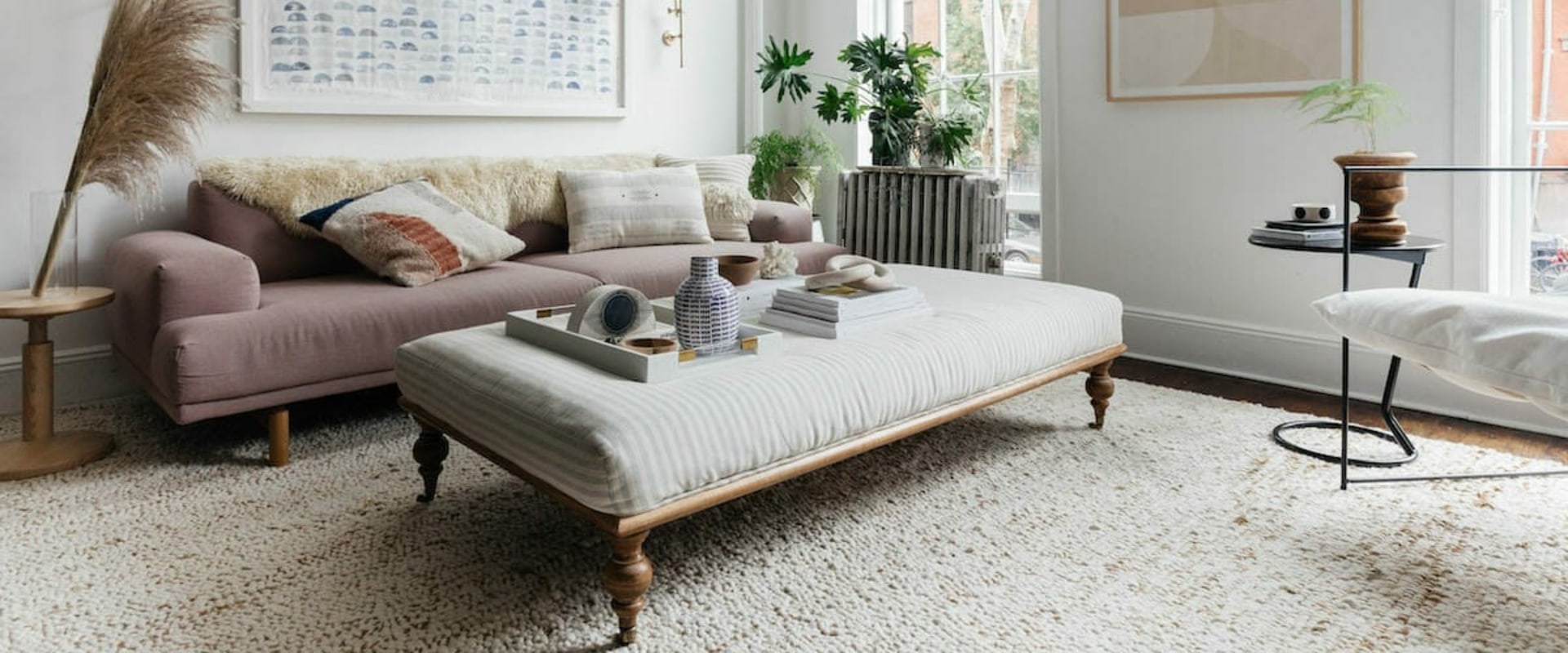
Are you considering a Living Room Makeover but unsure about the financial investment involved? You're not alone. Transforming the heart of your home can be both an exciting and daunting task, especially when it comes to budgeting. With so many factors to consider—ranging from furniture and decor to labor costs and materials—understanding the costs of a living room makeover is crucial for anyone looking to enhance their living space. This comprehensive guide will walk you through the various elements that contribute to the overall expenses of a living room transformation. Whether you're planning a complete overhaul or just a few updates, knowing what to expect financially can help you make informed decisions and avoid unpleasant surprises down the road.
From selecting the right color palette to choosing the perfect furniture pieces, we’ll break down each cost component, allowing you to tailor your renovation to fit your budget. Join us as we explore the intricacies of living room makeover costs, empowering you with the knowledge needed to create a beautiful, functional, and inviting space in your home. Let’s dive into the details and discover how you can achieve the living room of your dreams without breaking the bank!A living room makeover is an essential undertaking for homeowners looking to enhance both the aesthetics and functionality of one of the most important spaces in their homes. The costs associated with a makeover can vary significantly based on numerous factors, including design choices, materials, and labor. Understanding these elements can help you prepare a realistic budget and make informed decisions throughout the renovation process. One of the primary components of any living room makeover is furniture.
This includes sofas, chairs, coffee tables, and entertainment centers. Depending on the quality and style you choose, costs can range from a few hundred to several thousand dollars. For instance, a mid-range sofa might cost between $800 to $1,500, while luxury options can exceed $3,000. It’s essential to consider both comfort and durability when selecting furniture, as these choices will significantly impact your overall budget. The next major expense is paint.
A fresh coat can dramatically change the look and feel of your living room. On average, hiring a professional painter may cost anywhere from $300 to $800 for a standard-sized living room. If you're considering a DIY approach, you can save on labor costs but should budget for paint and supplies, which typically range from $30 to $100 per gallon depending on quality.
Flooring
is another critical factor in your living room makeover. Options such as hardwood, laminate, and carpet each come with their own price points.For example, installing new hardwood flooring may cost between $6 to $12 per square foot, including materials and installation. On the other hand, laminate flooring can be a more budget-friendly option at around $2 to $8 per square foot. Choosing the right flooring not only affects your budget but also contributes to the overall ambiance of your space.
Lighting
plays a vital role in setting the mood and functionality of your living room. Upgrading fixtures or adding new sources of light can range from simple changes like swapping out bulbs for energy-efficient options to more extensive renovations involving new wiring or fixtures.Budgeting approximately $150 to $600 for lighting can help you create a well-lit environment that complements your design choices. Lastly, decor elements such as curtains, rugs, wall art, and accessories contribute significantly to the final look of your living room. These items can vary widely in price based on style and quality. For instance, a new area rug might cost anywhere from $100 to over $1,000. Investing in decor that reflects your personality can make your living room feel welcoming and unique. When considering whether to take a DIY approach or hire professionals for your living room makeover, it's important to weigh potential savings against the quality of work.
While DIY projects can save money on labor costs, they often require time, skill, and sometimes costly mistakes if not executed properly. Hiring professionals may incur higher upfront costs but can lead to a more polished final product. Current trends in living room design greatly influence costs as well. Open floor plans remain popular among homeowners seeking a spacious feel and improved flow between rooms. However, creating an open layout may require structural changes that significantly increase your renovation budget.
Additionally, eco-friendly materials are gaining traction; while they may come at a premium initially, they often lead to long-term savings through energy efficiency. To help visualize potential transformations, consider before-and-after examples of living room makeovers. A simple change like repainting walls and updating furniture can create a fresh look without extensive renovations. Alternatively, complete overhauls that involve changing flooring and lighting alongside furniture updates showcase how comprehensive changes can redefine a space. Common concerns regarding renovation costs often stem from misconceptions about what is truly necessary for a successful makeover. It's important to remember that investing in both aesthetic improvements and functional upgrades can lead to increased property value and enhanced daily living experiences.
By carefully planning your renovation budget and considering each element's contribution to the overall cost, you can achieve the living room of your dreams without overspending.
DIY vs. Hiring Professionals: Cost Considerations
When it comes to a living room makeover, one of the most significant decisions homeowners face is whether to undertake the project themselves or hire professionals. Each option comes with its own set of cost implications that can greatly influence the overall budget. Choosing the DIY route can initially appear to be the more economical option. By taking on the renovation tasks yourself, you can save on labor costs, which often constitute a substantial portion of home renovation expenses.However, it is essential to consider the potential challenges that come with DIY projects. Homeowners might encounter unexpected issues that require specialized skills or tools, which can lead to additional expenses. On the other hand, hiring professionals provides the benefit of expertise and experience. While the upfront cost may be higher due to labor fees, professionals can streamline the renovation process and minimize mistakes that could result in further costs down the line. Additionally, skilled contractors often have access to better materials at discounted prices, which can offset some of the labor costs. In summary, deciding between DIY and hiring professionals for a living room makeover involves a careful evaluation of your budget and capabilities.
Weighing the financial implications alongside the potential challenges of each option will help you make an informed choice that aligns with your renovation goals.
Current Trends in Living Room Design
In the realm of home renovations, living room makeovers are particularly impactful as they not only enhance aesthetics but also contribute to the overall functionality of the space. As we delve into the current trends in living room design, it becomes evident that these trends significantly influence both renovation decisions and associated costs. One prominent trend is the embrace of minimalist aesthetics, characterized by clean lines, simplicity, and a focus on essential elements. This approach not only creates a serene environment but also often reduces material costs since fewer decorative items are required. Homeowners opting for a minimalist design typically prioritize quality over quantity, investing in fewer, high-end furnishings that align with their vision. Another significant trend is the shift towards sustainability-focused choices.As environmental consciousness grows, many individuals are choosing eco-friendly materials and energy-efficient appliances for their living rooms. While these options may come with a higher upfront cost, they can lead to savings in the long run through lower energy bills and reduced maintenance needs. Additionally, using recycled or upcycled materials can add unique character to the living room while appealing to eco-conscious homeowners. Moreover, integrating technology into living room designs is becoming increasingly popular. Smart home devices can enhance convenience and efficiency but may also add to the overall costs.
Homeowners should weigh these benefits against their budget when considering such upgrades. Lastly, color schemes play a crucial role in defining the style of a living room. Current trends favor neutral palettes complemented by bold accents, which can affect both paint and furnishing costs. Investing in high-quality paint or wallpaper can elevate the space significantly while still adhering to budgetary constraints. By understanding these current trends, homeowners can make informed decisions during their living room makeover, aligning their personal style with practical considerations to achieve both beauty and functionality within their budget.
Financing Your Living Room Makeover
Embarking on a living room makeover can be an exciting yet daunting venture, especially when considering the financial implications. Understanding how to effectively finance your living room makeover is crucial to ensuring that your project remains within budget while achieving the desired aesthetic and functionality. First and foremost, it’s essential to create a realistic budget that encompasses all aspects of the makeover, from furniture and decor to labor and unexpected expenses.Start by listing out all the elements you wish to change or upgrade, and assign a rough cost to each item. This will give you a clearer picture of the total expenses involved. One popular financing option for home renovations is a home equity loan. This allows homeowners to borrow against the equity they have built in their property, often at lower interest rates than personal loans. However, it's important to assess your financial situation carefully, as this option puts your home at risk if you're unable to repay the loan. Alternatively, personal loans are another financing route that can be utilized for a living room makeover.
These loans typically come with fixed interest rates and terms, making it easier to budget for monthly repayments. Before opting for a personal loan, compare different lenders to find the best interest rates and terms that suit your financial needs. If you're not keen on taking out loans, consider implementing some budgeting strategies. Start saving early by setting aside a dedicated amount each month specifically for your living room makeover. Look for ways to cut back on discretionary spending, which can help you accumulate funds faster.
Additionally, explore DIY projects or refurbishing existing furniture as cost-effective alternatives that can significantly reduce overall expenses. Lastly, keep an eye out for sales and discounts on materials and furnishings. Timing your purchases during seasonal sales or utilizing coupons can lead to substantial savings. By being strategic about your spending and exploring various financing options, you can achieve your dream living room makeover without breaking the bank.
Budget Breakdown: Key Elements of a Living Room Makeover
When planning a living room makeover, it is essential to consider the key elements that contribute to the overall transformation. Each component plays a vital role in enhancing the space's aesthetics and functionality.Here’s a detailed breakdown of the primary components along with their average costs:Furniture: The furniture you choose can significantly impact the style and comfort of your living room. Average costs for sofas range from $500 to $2,500, depending on the material and brand. Coffee tables may cost between $150 and $800, while accent chairs can range from $200 to $1,500.
Paint:
A fresh coat of paint can dramatically change the appearance of your living room. The cost of paint typically ranges from $25 to $60 per gallon.For an average-sized living room, you may need 2-3 gallons, bringing the total to approximately $50 to $180, not including labor costs if you hire a professional.
Flooring:
Upgrading your flooring can enhance both the look and feel of your space. Common options include hardwood, laminate, carpet, and tile. On average, hardwood flooring costs between $8 and $15 per square foot, while laminate can range from $2 to $5 per square foot. Carpet installation can vary from $3 to $6 per square foot.Depending on the size of your living room, these costs can add up significantly.
Decor:
Decorative elements such as curtains, rugs, and artwork play a crucial role in completing your living room makeover. Average costs for curtains can range from $30 to $300, depending on fabric and style. Area rugs typically range from $100 to $1,000 or more, while artwork prices can vary widely based on the artist and medium. By understanding these key elements and their associated costs, homeowners can better plan their living room makeover budget and make informed decisions that align with their aesthetic goals and financial constraints. In conclusion, a living room makeover can significantly enhance both the aesthetics and functionality of your home. Throughout this guide, we have explored the budget breakdown for key elements of a makeover, the differences in costs between DIY projects and hiring professionals, and the current trends in living room design that can elevate your space.Additionally, we discussed options for financing your renovation to make it more accessible. As you embark on your living room transformation journey, it is crucial to remember the importance of careful planning and budgeting. Visualizing your space's potential while considering both functionality and style will lead to a successful makeover that reflects your personal taste and meets your lifestyle needs. Take the time to explore various design ideas and cost implications, ensuring that your renovation is not only beautiful but also practical.