Living Room Makeovers · Color and Paint Choices · Using Color Psychology in Living Room Design ·
Transforming Your Living Room with Color Psychology
Discover how color psychology can influence your living room design, offering inspiration and practical tips for a successful renovation.
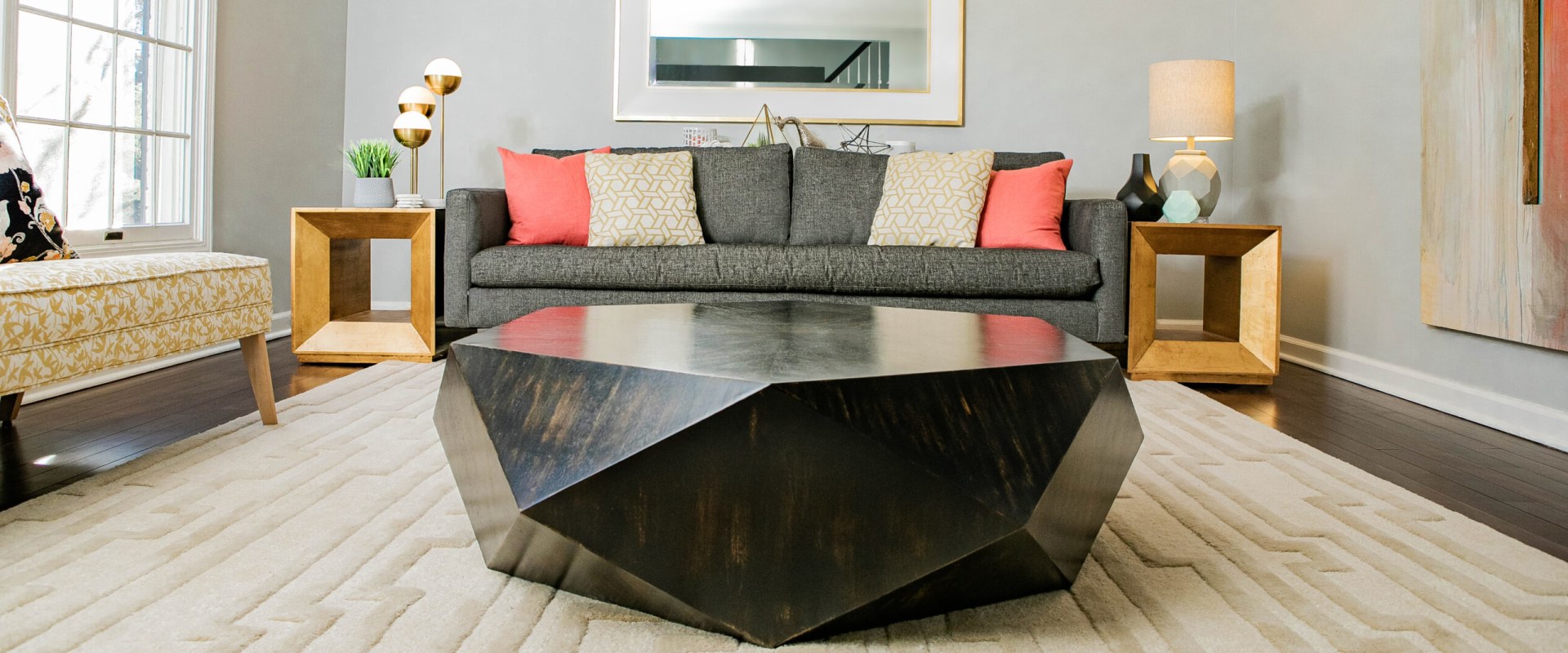
Are you ready to transform your living room into a space that not only looks stunning but also feels inviting and harmonious? If so, then understanding the principles of color psychologycolor psychology is essential. The colors we choose to paint our walls, select our furniture, or even accessorize with can significantly influence our mood, energy levels, and overall well-being. Imagine walking into a living room that radiates warmth and comfort, or one that invigorates creativity and inspiration. By harnessing the power of color, you can create a living space that truly reflects your personality and lifestyle. In this article, we will explore the fascinating world of color psychology in living room designcolor psychology in living room design, delving into how different hues can affect emotions and perceptions.
From calming blues to energizing yellows, each color has its own unique vibe and can dramatically alter the atmosphere of your home. Whether you’re planning a complete makeover or simply looking to refresh your existing decor, understanding how to effectively use color can make all the difference. Join us as we uncover the secrets behind color choices that not only elevate your living room’s aesthetic but also enhance your daily life. It’s time to unlock the potential of your space and embrace the transformative effects of color!Using Color Psychology in Living Room Design can significantly influence the overall ambiance and emotional response to a space. Understanding the psychological effects of different colors allows homeowners to create environments that not only look appealing but also feel right.
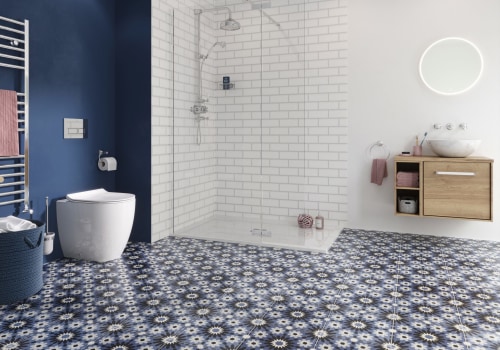
For instance, the color blue is renowned for its ability to evoke tranquility and calmness. This shade is often associated with the sky and the sea, providing a sense of serenity that can transform a living room into a peaceful retreat. A living room painted in soft blue tones, perhaps complemented by white or light gray furniture, can create a harmonious space perfect for unwinding after a long day. On the other hand, yellow brings forth feelings of cheerfulness and warmth. As one of the brightest colors in the spectrum, yellow can instantly uplift a space, making it feel more inviting and energetic.
Imagine a living room with vibrant yellow walls adorned with cheerful artwork; this setup can encourage lively conversations and create a welcoming atmosphere for guests. Yellow is particularly effective in smaller living rooms where natural light may be limited, as it can help brighten the space. Green is another color that deserves attention when discussing color psychology in living room design. Often associated with nature, green promotes balance and harmony, making it an excellent choice for those looking to cultivate a calm yet invigorating environment. A living room featuring rich green hues, perhaps through accent walls or decorative elements like cushions and rugs, can foster a sense of renewal and rejuvenation, bridging the outdoors with indoor comfort. When selecting a color palette, it is crucial to consider how each color resonates with the homeowner's personality and lifestyle.
For instance, an individual who thrives on creativity might gravitate towards bolder colors or unique combinations that reflect their artistic spirit. Conversely, someone who prioritizes relaxation may prefer more muted tones that evoke peace. Engaging questions such as "How do you want your living room to feel?" can guide homeowners to reflect on their emotional needs and preferences. Practical tips for selecting paint types and finishes can greatly enhance the chosen colors. For example, matte finishes tend to absorb light and can soften bold colors, creating a cozy atmosphere.
In contrast, glossy finishes reflect light and can make colors appear more vibrant; this is particularly useful in smaller spaces where enhancing natural light is beneficial. Homeowners should also consider the durability of different paint types—washable paints are ideal for high-traffic areas like living rooms where scuffs and stains might occur. It’s important to recognize that personal taste varies widely among family members, leading to potential disagreements when it comes to color choices. Finding common ground is essential for a harmonious home environment. One approach is to involve each family member in the decision-making process, encouraging open discussions about their preferences.
A compromise could be achieved by choosing a neutral base color that appeals to all and then allowing individual family members to introduce their favorite accent colors through accessories like pillows, art pieces, or throws. Ultimately, using color psychology in living room design not only enhances aesthetic appeal but also creates spaces that reflect personal well-being and family dynamics. By understanding the effects of different colors, considering individual preferences, and being mindful of practical applications, homeowners can successfully transform their living rooms into inviting havens tailored to their unique lifestyles.
Understanding Color Psychology
Color psychology is the study of how colors affect human behavior, emotions, and perceptions. In the context of living room design, understanding color psychology can be a powerful tool for creating a space that reflects your personality and meets your emotional needs. Different colors evoke different feelings and can significantly influence the atmosphere of a room. For instance, warm colors like red, orange, and yellow can create an inviting and energetic environment, making them ideal for social spaces where interaction is encouraged.Conversely, cool colors such as blue and green tend to have a calming effect, promoting relaxation and tranquility—perfect for a cozy living room where you unwind after a long day. The significance of color psychology in design extends beyond aesthetics; it plays a crucial role in how we experience our surroundings. When selecting colors for your living room, consider how you want to feel in that space. Do you envision a vibrant and lively area or a serene retreat? By aligning your color choices with your desired mood, you can transform your living room into a true reflection of your lifestyle. Ultimately, understanding color psychology empowers you to make informed decisions about your living room design. It encourages you to think critically about the emotional impact of your color choices, helping you to create an environment that not only looks beautiful but also feels right for you.
Eco-Friendly Paint Options
As you embark on your living room makeover, consider the impact of your choices not only on aesthetics but also on the environment.Eco-friendly paint options provide a sustainable way to refresh your space while reducing your carbon footprint. Many traditional paints contain harmful VOCs (volatile organic compounds) that can affect indoor air quality and contribute to environmental pollution. By opting for low-VOC or zero-VOC paints, you can create a healthier atmosphere in your home. In addition to VOC-free paints, explore natural paint alternatives made from ingredients like clay, chalk, and plant-based dyes. These sustainable choices not only minimize environmental impact but also offer unique finishes and textures that can enhance your living room's character. Furthermore, consider the benefits of using recycled materials in your renovation.
Many companies now offer paint made from recycled content, which reduces waste and promotes sustainability. By choosing eco-friendly paint options, you contribute to a healthier planet while achieving the desired ambiance in your living room. Ultimately, the materials you select can significantly influence the mood and atmosphere of your space. Whether you aim for a serene retreat or an energetic gathering place, incorporating eco-friendly options aligns your design choices with a commitment to sustainability and wellness.
Case Studies: Before and After
To truly understand the impact of color psychology in living room design, let’s examine some before and after transformations. These case studies illustrate how strategic color choices can dramatically alter the mood and functionality of a space. In one case, a small living room was painted in a dark navy blue, making the space feel cramped and uninviting.After a thoughtful makeover, the walls were transformed to a soft light gray, complemented by white trim and bright accents. This change not only created an illusion of more space but also fostered a calming atmosphere that invites relaxation. Another example features a family room that originally boasted a dull beige palette. The homeowners desired a more energetic feel for their active family gatherings. By incorporating vibrant orange and yellow accents into the decor—through pillows, art, and an accent wall—they successfully cultivated a lively environment that invigorates everyone who steps inside. Finally, consider a modern living area that was previously adorned with stark white walls which felt cold and impersonal.
By introducing warm tones like terracotta and soft browns, the space became inviting and cozy, perfect for hosting friends or enjoying quiet evenings. These case studies highlight the importance of color choice in transforming living spaces. They serve as a reminder that with thoughtful selection and application of color psychology, anyone can create their ideal living room atmosphere.
Choosing the Right Colors for Your Space
When it comes to using color psychology in living room design, selecting the right colors is crucial for creating the desired mood and functionality. Begin by considering the emotions you want to evoke in your space. For instance, if you desire a calming atmosphere, soft blues and greens can promote tranquility and relaxation.These colors are often associated with nature and can help reduce stress levels. On the other hand, if you want your living room to feel more energetic and lively, consider incorporating vibrant colors like yellows and oranges. These hues can stimulate conversation and creativity, making them ideal for social spaces where family and friends gather. It’s also important to think about how the colors will interact with the existing elements in your living room. Take into account the size of your space, natural light availability, and any existing furniture or décor. Lighter shades can make a small room feel more spacious, while darker tones can create intimacy but may require careful balancing with lighter accents. To ensure a cohesive look, you might want to choose a color palette that includes a mix of primary, secondary, and accent colors.
This approach allows for versatility and can help you tailor the space to suit various activities—be it relaxing with a book or hosting a lively gathering. Don't hesitate to use color swatches or digital tools to visualize how different shades will work together before making a final decision. Ultimately, the key to transforming your living room with color psychology lies in understanding how each color influences mood. By thoughtfully selecting colors that align with your vision for the space, you can create an environment that not only looks beautiful but also feels just right for you and your family.
Color Combinations and Palettes
Creating a harmonious color palette for your living room involves understanding the emotional effects of different colors and how they interact with one another.Color psychology
teaches us that colors can evoke specific feelings, so it’s essential to choose combinations that align with the atmosphere you wish to create.Start by selecting a primary color, which will serve as the foundation of your palette. This could be a bold hue like blue for a calming effect, or a vibrant yellow to energize the space. Next, consider choosing one or two secondary colors that complement your primary choice. For instance, if your primary color is blue, you might opt for soft whites or warm grays to maintain balance. To enhance the visual appeal, incorporate accent colors.
These are typically bolder shades that add interest and contrast to your design. For example, pairing a muted green with splashes of coral can create a lively yet soothing environment. Remember to use accent colors sparingly; they should draw attention without overwhelming the senses. A useful technique is the 60-30-10 rule, which suggests using 60% of your primary color, 30% of a secondary color, and 10% for accents. This approach helps maintain harmony while allowing for enough variety to keep the space engaging. Additionally, consider the color wheel when forming your combinations.
Complementary colors—those opposite each other on the wheel—tend to create vibrant contrasts, while analogous colors—those next to each other—offer a more cohesive look. Experimenting with different shades and tones can also yield unique results, such as using light pastels versus deep jewel tones. Ultimately, the goal is to create a living room that feels inviting and reflects your personal style. Take time to test out different combinations through paint samples or digital tools to find what resonates with you and sets the perfect mood for your space.
Practical Tips for Implementation
Once you have selected the colors that resonate with your desired mood for your living room, it’s time to bring those hues to life. Here are some DIY tips for painting and decorating with your chosen colors:1.Start Small: If you're unsure about a color, consider starting with smaller items like throw pillows, curtains, or artwork.This allows you to test how the color feels in the space before committing to larger elements like walls or furniture.
2.Create a Color Palette
: Choose a primary color and complement it with one or two accent colors. This creates harmony in your living room design. Use online tools to visualize your palette, ensuring that all colors work well together.3.Use Color Samples
: Purchase small paint samples and apply them to different areas of your living room. Observe how the colors look at various times of day and under different lighting conditions before making a final decision.4.Consider Paint Finishes
: The finish of your paint can influence the overall look of the room.Matte finishes can create a soft, calming feel, while glossy finishes reflect light and add vibrancy. Choose what best aligns with the atmosphere you want to create.
5.Incorporate Texture
: Use textured materials like fabrics, wood, or stone in your chosen colors to add depth and interest. A soft rug or textured throw can enhance the color scheme while contributing to the room's overall feel.6.Balance Bold Colors
: If you opt for bold colors, balance them out with neutral tones to prevent overwhelming the space. Neutral walls with vibrant furniture or decor can create an inviting yet energetic atmosphere.7.Personal Touches
: Incorporate personal items that reflect your personality and story in your color scheme.This could be family photos in colorful frames or decorative pieces that harmonize with your chosen palette. By implementing these DIY tips, you can effectively utilize color psychology in your living room design, transforming it into a space that truly reflects your desired mood and style. In conclusion, transforming your living room with color psychology is not just about aesthetics; it’s about creating a space that resonates with your emotions and lifestyle. As we have explored, understanding color psychology can significantly influence the atmosphere of your home. The colors you choose can evoke feelings of warmth, energy, or tranquility, making it essential to select hues that align with how you wish to feel in your living space. Throughout this article, we have discussed the importance of choosing the right colors for your space, explored various color combinations and palettes, and provided practical tips for implementation. The case studies showcased have illustrated how thoughtful color choices can dramatically alter a room's vibe, while eco-friendly paint options allow you to enhance your living area sustainably. We encourage you to take a bold step in your living room makeover by experimenting with colors that not only reflect your personal style but also consider their psychological effects.
Ask yourself how you want your living room to feel—inviting, energetic, or calming—and let that guide your color choices. Remember, every brushstroke has the potential to transform your environment and elevate your everyday experience.