Living Room Makeovers · Color and Paint Choices · Best Paint Colors for Living Rooms in 2023 ·
Transform Your Space with the Best Paint Colors for Living Rooms in 2023
Explore the latest paint color trends for living rooms in 2023, complete with tips, inspiration, and practical advice for your home renovation project.
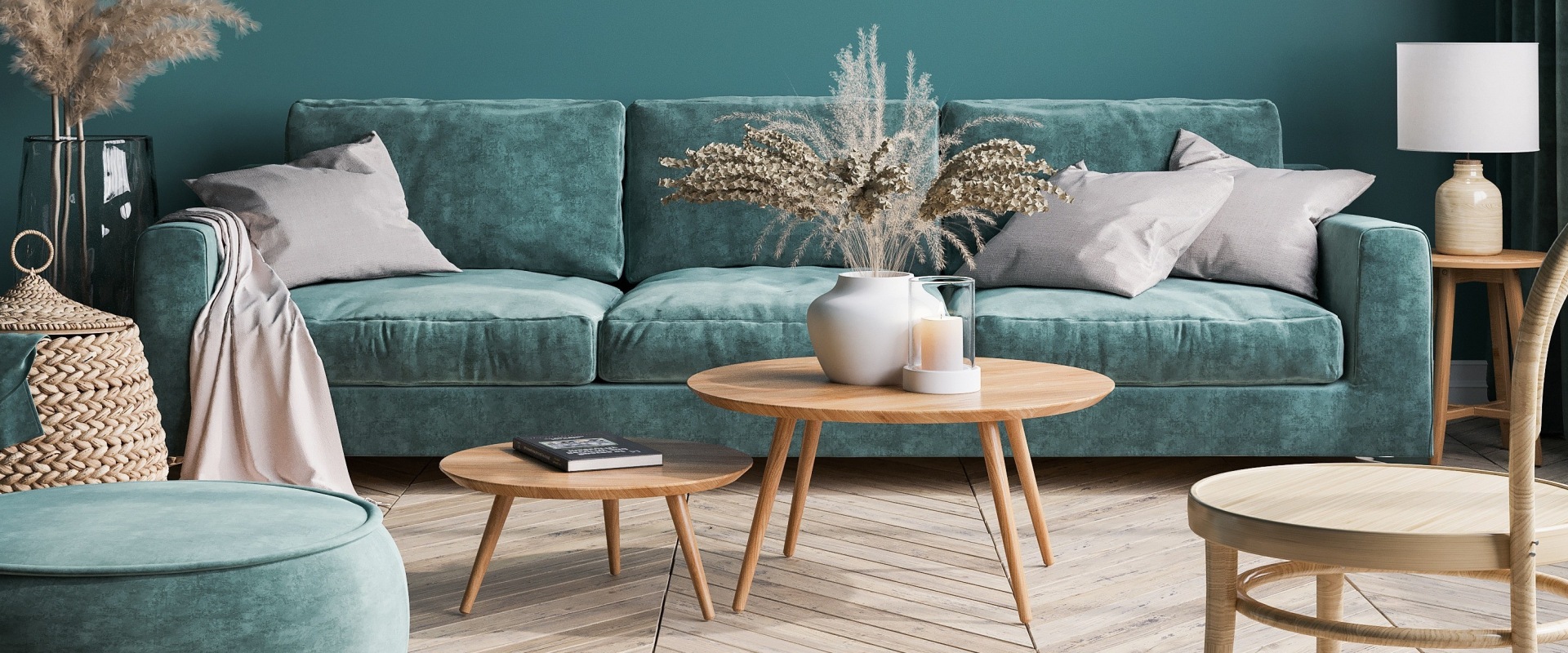
Are you ready to transform your space into a stunning oasis of comfort and style? Choosing the right colors for your living room can make all the difference, turning an ordinary area into a breathtaking focal point of your home. As we step into 2023, it's time to explore the best paint colors for living rooms that not only reflect current trends but also resonate with your personal style and create an inviting atmosphere for family and friends. In a world where our homes are our sanctuaries, the colors we choose can influence our mood, energy levels, and overall well-being. Whether you're looking to create a serene retreat or a vibrant gathering space, the right paint color will set the tone for your living room's ambiance. In this article, we'll dive deep into the latest color palettes and expert tips to help you select the perfect hues that complement your decor and lifestyle. From soft pastels that evoke tranquility to bold statements that ignite creativity, 2023 offers a myriad of choices that cater to every taste.
So, if you're eager to discover how the right shades can elevate your living room and inspire new life into your home, read on as we unveil the best paint colors for living rooms this year!The role of color in a living room cannot be overstated; it is the backdrop against which life unfolds, influencing mood and atmosphere. The right paint colors can not only enhance the beauty of your space but also reflect your personal style and potentially increase your home’s value. As we dive into the best paint colors for living rooms in 2023, we will explore current trends that resonate with homeowners looking to renovate or refresh their spaces. One of the standout trends for 2023 is the use of warm neutrals. These shades, such as soft beige, taupe, and warm greys, create an inviting ambiance that makes spaces feel cozy yet sophisticated.
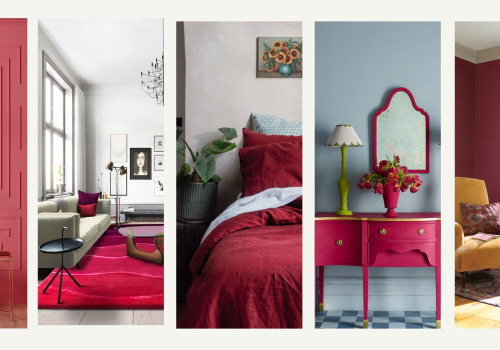
Warm neutrals serve as a versatile foundation, allowing homeowners to easily incorporate various accent pieces without clashing. When selecting a warm neutral, consider the lighting conditions in your living room; natural light can enhance these tones, making them appear brighter and more vibrant. In contrast, artificial lighting may cast cooler tones, so always test paint samples in your specific lighting to ensure the desired effect. On the other end of the spectrum, bold accent colors are making waves this year. Colors like deep navy, emerald green, and rich burgundy add a dramatic flair to living rooms, creating focal points that draw the eye.
These colors are perfect for accent walls or statement furniture pieces. However, it’s essential to balance bold accents with softer shades to prevent the space from feeling overwhelming. Pairing a bold accent with a warm neutral can create a harmonious look while still allowing for personality and style to shine through. Calming pastels are also gaining popularity in 2023. Soft shades of lavender, mint green, and powder blue promote tranquility and relaxation—qualities that are especially desirable in a living room setting. Pastels work beautifully in smaller spaces as they can make a room feel larger and more open.
When using pastels, consider layering textures and patterns to add depth without compromising the soothing vibe these colors evoke. When selecting the right shade for your living room, it’s crucial to factor in both lighting conditions and room size. For smaller rooms, lighter colors can open up the space and make it feel more expansive. Conversely, larger rooms can handle darker shades without feeling cramped. Always test paints on multiple walls at different times of day to observe how they change with varying light sources. The psychological effects of color should also play a significant role in your choices.
Warm colors like red and yellow can energize a space and stimulate conversation, making them suitable for social areas. On the flip side, cool colors such as blues and greens tend to evoke calmness and serenity, ideal for relaxation zones. Understanding how colors affect mood can help you tailor your living room to suit your lifestyle. To further inspire your transformation journey, consider successful living room makeovers that embody these color trends. For example, one homeowner opted for a soft beige base paired with a striking navy accent wall, which transformed their dated living room into a chic gathering space.
Before-and-after visuals clearly illustrate this dramatic shift; the once dull area now exudes sophistication and warmth. Another example features calming pastels—an all-white room was revitalized with touches of mint green and lavender through accessories and artwork, promoting a serene environment perfect for unwinding after a long day. While trends provide guidance, it’s important to acknowledge that color preferences can be highly subjective. Not everyone will resonate with the same shades or styles, and that’s perfectly okay. Embrace personal taste by considering what makes you feel comfortable and happy in your living space.
After all, your living room should reflect who you are while remaining functional for your lifestyle. In conclusion, whether you lean towards warm neutrals, bold accent colors, or soothing pastels, this year offers an array of options that cater to diverse tastes and preferences. By understanding how lighting affects color perception and considering the psychological impact of different hues on mood and well-being, you can craft a living room that not only looks stunning but also feels like home.
Psychology of Color
Understanding the psychology of color is essential when selecting paint colors for your living room. Colors can profoundly influence our emotions and set the atmosphere of a space. For instance, warm tones like red and orange can evoke feelings of excitement and energy, making them suitable for social areas where gatherings occur. On the other hand, cooler shades such as blue and green are known for their calming effects, promoting relaxation and serenity.These hues can be ideal for creating a tranquil environment where you unwind after a long day. Meanwhile, neutral colors like beige and gray provide a versatile backdrop that allows you to incorporate various decor styles without overwhelming the senses. Moreover, the brightness and saturation of a color also play a significant role in mood. Lighter shades can open up a room, making it feel more spacious and airy, while darker hues can create an intimate and cozy ambiance. As you explore the best paint colors for living rooms in 2023, consider how these colors align with the feelings you wish to evoke in your home. Incorporating accents or feature walls with bolder colors can add depth and interest to your living room while still maintaining an overall harmonious atmosphere.
Ultimately, choosing the right paint colors is not just about aesthetics; it’s about crafting an emotional experience that reflects your personality and enhances your living space.
Eco-Friendly Paint Options
As homeowners increasingly prioritize sustainability and health, eco-friendly paint optionseco-friendly paint options have emerged as a popular choice for living room makeovers in 2023. These paints are formulated with natural ingredients and contain fewer harmful chemicals, making them safer for both the environment and your family's indoor air quality. One of the main benefits of choosing eco-friendly paints is their low volatile organic compounds (VOCs) content. VOCs can contribute to air pollution and have been linked to various health issues. By opting for paints with low or zero VOCs, you can create a healthier living environment while still achieving the aesthetic you desire. In 2023, several brands stand out for their commitment to sustainability. For instance, Benjamin Moore's Natura line is known for its zero VOC formula and excellent coverage, making it a favorite among eco-conscious homeowners.Similarly, Behr offers a range of eco-friendly options that are both durable and stylish. Another notable mention is Sherwin-Williams' Harmony, which not only reduces odors but also improves indoor air quality by actively removing pollutants. These brands are widely available at home improvement stores and online, providing convenient access to eco-friendly choices. Incorporating eco-friendly paint options into your living room makeover not only reflects your personal style but also demonstrates a commitment to sustainability. By making informed choices about the products you use, you can transform your space while being mindful of the environment.
Choosing the Right Color
When it comes to selecting the perfect paint colors for your living room, room size, natural light, and existing furnishings play crucial roles in the decision-making process. Understanding these elements can help you create a harmonious and inviting space that reflects your personal style. First, consider the size of your living room.For smaller spaces, lighter shades such as soft whites, pale pastels, or light grays can make the room feel more open and airy. Conversely, larger rooms can benefit from bolder colors like deep blues or rich greens, which add depth and coziness. Remember that dark colors can create a more intimate atmosphere, while lighter shades tend to expand the visual space. Next, take stock of the natural light your living room receives throughout the day. Rooms with abundant sunlight can handle darker colors without feeling closed in, while spaces that lack natural light may require brighter hues to ensure they don't feel dreary.
Test paint samples on your walls at different times of day to see how they change with varying light conditions. Finally, consider your existing furnishings. The colors of your furniture, artwork, and decor should complement your chosen paint color. If you have bold furniture pieces, you might opt for a more neutral wall color to balance the space. Alternatively, if your furnishings are more subdued, a vibrant wall color can provide a stunning contrast and elevate the overall aesthetic. By taking into account these factors—room size, natural light, and existing furnishings—you can confidently choose paint colors that enhance your living room's beauty and atmosphere.
Current Color Trends
As we delve into current color trends for living rooms in 2023, it’s essential to recognize how these hues can transform a space.This year, homeowners are gravitating towards colors that evoke warmth, comfort, and a sense of tranquility. The right shades can not only enhance the aesthetic appeal of a room but also create an inviting atmosphere for family and friends. One of the standout trends this year is the resurgence of earthy tones. Shades such as terracotta, warm taupe, and muted greens are making a significant comeback, offering a grounded yet stylish look. These colors create a connection to nature, which is increasingly important in our fast-paced lives. Another popular choice is soft pastels.
Gentle hues like powder blue, blush pink, and mint green provide a calming effect, perfect for creating a serene living room environment. These shades not only brighten up the space but also allow for versatility in décor, blending seamlessly with various styles. This year also sees a rise in bold accents. Homeowners are opting for deep jewel tones like emerald green, sapphire blue, and rich burgundy to add drama and sophistication to their living rooms. These colors work wonderfully as accent walls or through statement furniture pieces, allowing for a striking visual impact. Finally, we cannot overlook the classic appeal of neutrals.
Soft grays, warm whites, and beiges continue to dominate the scene, providing a timeless backdrop that allows other design elements to shine. Neutrals remain popular due to their ability to adapt to changing trends and personal tastes over time. In summary, the current color trends for living rooms in 2023 emphasize a blend of comfort, style, and adaptability. Whether you choose earthy tones, soft pastels, bold accents, or timeless neutrals, selecting the right paint color can make all the difference in your living space.
DIY Tips for Painting
Painting your living room can be an exciting DIY project that transforms the entire space. To achieve a professional-looking finish, it’s essential to prepare adequately and use the right tools.Here are some DIY tips for painting your living room effectively.
1.Gather Your Tools:
Before you start painting, make sure you have all the necessary tools at hand. You will need high-quality paintbrushes, rollers, a paint tray, painter's tape, drop cloths to protect your furniture and floors, and a ladder for reaching high areas. Additionally, consider using a paint sprayer for a smoother finish if you're tackling larger walls.2.Prepare the Room:
Start by removing furniture or moving it to the center of the room and covering it with drop cloths. Remove any wall decorations, light switch covers, and outlet covers.Clean the walls to remove dust and grease, and patch up any holes or imperfections with spackle. Once these steps are done, use painter's tape to mask off edges around windows, doors, and trim to ensure sharp lines.
3.Choose the Right Paint:
Select high-quality paint that suits your living room's needs. For high-traffic areas, consider washable finishes like satin or eggshell that can withstand wear while being easy to clean. Test paint samples on your walls to see how they look at different times of day before making a final decision.4.Start Painting:
Begin with cutting in around edges using a brush before rolling the larger areas.This technique helps create a clean line where the wall meets the ceiling or trim. Use long, even strokes with the roller, applying paint in a W pattern for even coverage. Allow each coat to dry completely before applying a second coat for best results.
5.Clean Up:
Once you’ve finished painting, carefully remove the painter's tape while the paint is still slightly wet to avoid peeling. Clean your brushes and rollers with soap and water if you used latex paint or the appropriate solvent for oil-based paints.Finally, allow your newly painted walls to cure before moving furniture back into place. By following these DIY tips for painting, you can achieve a stunning transformation in your living room that reflects your personal style and enhances the overall ambiance of your home. In conclusion, we have explored the significant role that color plays in transforming living spaces, particularly in the living room. From discussing current color trends to understanding the psychology of color, it is clear that the right paint choices can enhance the beauty of your home while reflecting your personal style. We also shared valuable DIY tips for painting and highlighted the importance of selecting eco-friendly paint options to contribute to a healthier environment. We encourage you to experiment with different shades and trust your instincts when choosing paint colors. Your living room should be a reflection of who you are, so don't hesitate to make bold choices! We invite you to share your own renovation experiences or ask any questions about specific color choices in the comments below.