Kitchen Renovation Ideas · Countertops and Backsplashes · DIY Backsplash Installation for Beginners ·
Transform Your Kitchen with DIY Backsplash Installation
Learn how to install a backsplash yourself with practical tips, design ideas, and budgeting advice for your kitchen renovation.
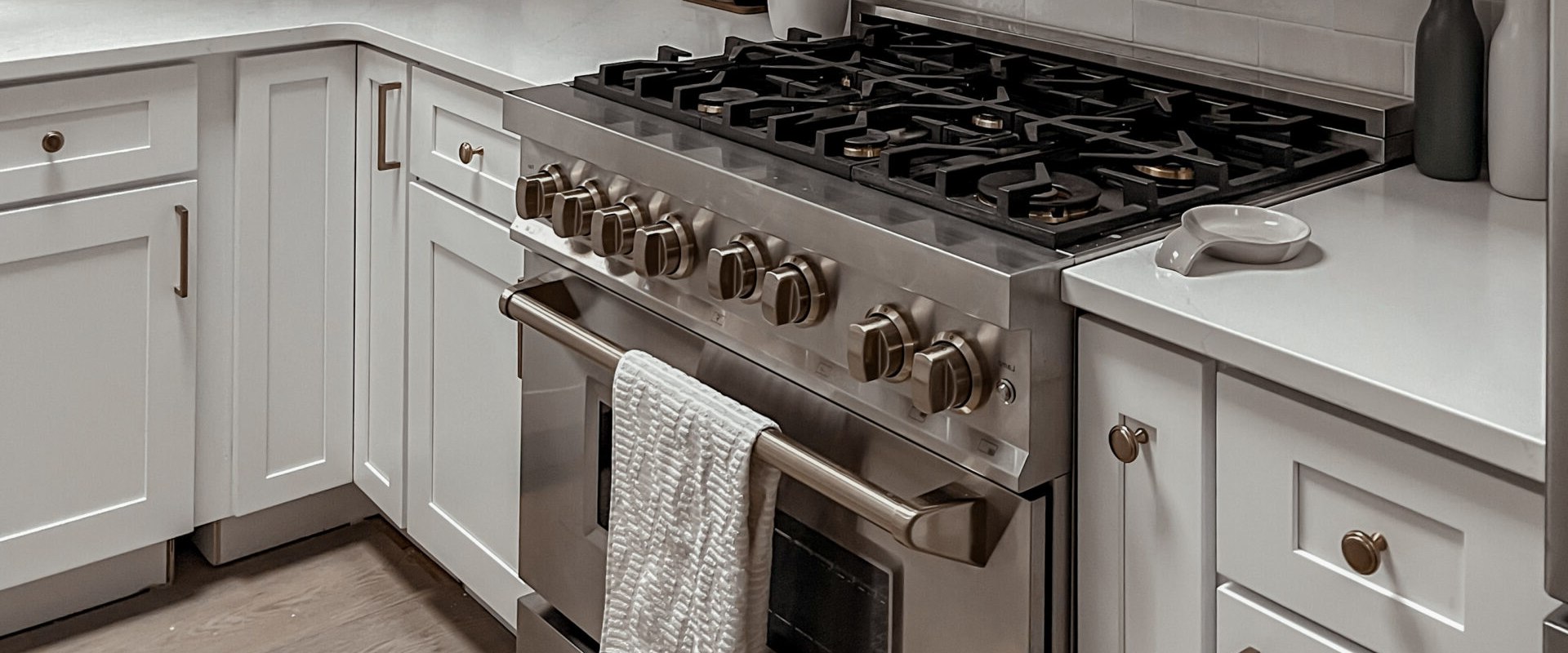
Are you tired of looking at those bare walls in your kitchen? Do you want to elevate the overall aesthetic of your culinary space without breaking the bank? If so, you're in the right place! DIY Backsplash Installation for Beginners is not just a project; it’s an opportunity to express your creativity and add a personal touch to one of the most important areas of your home. Imagine transforming your kitchen with stunning tiles, vibrant colors, or unique patterns that reflect your personality. Whether you're a seasoned DIY enthusiast or a complete novice, installing a backsplash can be a fun and rewarding experience. With just a few tools and some guidance, you can create a stunning focal point that not only enhances the beauty of your kitchen but also protects your walls from splashes and stains. In this article, we will guide you through the essential steps of DIY Backsplash Installation, providing tips and tricks to make the process smooth and enjoyable.
From selecting the right materials to mastering installation techniques, you'll find everything you need to know to embark on this exciting home improvement journey. So, let’s roll up our sleeves and get started on transforming your kitchen into a space that truly reflects your style!Transforming your kitchen with a DIY backsplash installation is an exciting project that not only enhances the aesthetics of your cooking space but also protects your walls from moisture and stains. Understanding the importance of backsplashes in kitchen design is the first step towards creating a space that reflects your personal style and elevates your home’s value. The satisfaction of completing a DIY project can be immense, especially when you see how much money you save while customizing your kitchen to align with current trends. The first step in the DIY backsplash installation process is planning and measuring your space.
Start by determining the area you want to cover with your backsplash. Use a tape measure to get accurate dimensions, and be sure to account for any outlets or switches that may affect the layout of your tiles or materials. Jot down these measurements and consider creating a simple sketch that outlines your design vision. Next, it’s time to select materials for your backsplash. Popular choices include tile, glass, and stone, each offering unique benefits and aesthetic appeal.
If you’re inclined towards eco-friendly options, look for recycled glass tiles or sustainably sourced materials that not only look great but also contribute to a healthier planet. Remember to choose materials that complement your kitchen’s overall style—whether it’s modern, rustic, or something in between. Before diving into the installation, budgeting for your project is crucial. Determine how much you’re willing to spend on materials, tools, and any additional help you might need. Costs can vary widely based on your material selection; for example, ceramic tiles may be more budget-friendly than natural stone.
It’s wise to set aside a little extra money for unexpected expenses that may arise during the installation process. Gathering the right tools is essential for a successful DIY backsplash installation. You will typically need items such as a tile cutter, adhesive, grout, a trowel, a level, safety goggles, and a sponge. Safety precautions should not be overlooked; always wear protective eyewear when cutting tiles or working with adhesives, and ensure proper ventilation when using any chemical products. The importance of prep work cannot be overstated when installing a backsplash. Before applying any materials, make sure to clean and prime the surfaces thoroughly.
This step ensures that the adhesive bonds properly to the wall. If you’re working with painted walls, you might want to sand them lightly to create a better surface for adhesion. When it comes to design ideas based on various kitchen styles, consider how different colors and textures can enhance your space. For a modern kitchen, sleek glass tiles in neutral tones can create a contemporary feel. Conversely, if you have a rustic kitchen, consider using reclaimed wood or natural stone for a warm, inviting look.
Mixing materials can also add visual interest; for example, pairing subway tiles with decorative accent tiles can create a stunning focal point. To visualize the transformation that a DIY backsplash installation can achieve, looking at before-and-after examples is incredibly motivating. Many beginners are surprised by how professional their finished projects can look when they take their time and follow best practices. Documenting your progress can also serve as inspiration for others looking to tackle similar projects. Throughout this journey, it’s important to acknowledge that challenges may arise—such as uneven walls or tricky corners. These are common obstacles faced by DIYers.
Don’t hesitate to seek out resources like online tutorials or local workshops that can provide guidance on overcoming these hurdles. Remember that persistence is key; even if things don’t go perfectly at first, the end result will be worth it. In conclusion, embarking on a DIY backsplash installation is an empowering way to transform your kitchen while adding personal flair. With careful planning, the right materials and tools, and a willingness to learn through challenges, even beginners can achieve stunning results that rival those of professional installations.
Budgeting for Your Project
When embarking on a DIY Backsplash Installation for Beginners, creating a budget is a crucial step that ensures your project stays on track financially. Start by estimating the cost of materials you'll need for your backsplash.Common choices include tiles, glass panels, and stone, each with varying price ranges. For instance, ceramic tiles can be quite affordable, while natural stone may require a larger investment. In addition to materials, don't forget to budget for essential tools such as tile cutters, adhesive, grout, and spacers. If you don't already own these tools, consider whether you will rent or purchase them. Renting can be a cost-effective option if you’re only using the tools for this one project. Another important aspect of budgeting is accounting for unexpected costs.
During installation, you might encounter issues like wall repairs or the need for extra adhesive due to mistakes. It's wise to set aside an additional 10-15% of your total budget to cover these unforeseen expenses. This way, you can complete your DIY Backsplash Installation without financial stress. By carefully planning your budget and considering all aspects of the project, you'll ensure that your kitchen transformation is both stunning and affordable.
Planning Your Design
When embarking on your DIY Backsplash Installation journey, the first step is to carefully plan your design. Selecting the right colors and patterns is crucial to ensure that your backsplash complements the overall decor of your kitchen.Start by considering the existing color palette of your kitchen. Look at your cabinets, countertops, and any other prominent features. A cohesive look can be achieved by choosing a backsplash that harmonizes with these elements. For those who prefer a classic and timeless appeal, neutral colors such as whites, grays, or beiges are always a safe bet. However, if you want to make a bold statement, consider incorporating vibrant colors or unique patterns.
Trendy ideas for inspiration include geometric tiles, mosaic designs, or even a striking herringbone pattern that can add depth and visual interest to your space. Another consideration is the finish of your materials. Glossy finishes can reflect light and make a small kitchen feel larger, while matte finishes can provide a more subdued and sophisticated look. Don't forget about texture! Adding a textured tile or combining materials like glass and stone can create a dynamic and inviting atmosphere. As you plan your design, gather samples of your chosen materials and visualize how they will look in your kitchen. This not only helps in making the final decision but also ensures that the colors and patterns work well together.
Remember, the satisfaction of completing a DIY project comes from creating a space that feels uniquely yours!
Choosing the Right Materials
When it comes to DIY backsplash installation, one of the first and most important decisions you'll make is choosing the right materials. The material you select not only affects the overall look of your kitchen but also influences its durability and maintenance requirements.Tile
is a classic choice for backsplashes. Available in various sizes, colors, and finishes, tiles allow for a wide range of design options. Ceramic tiles are popular for their affordability and ease of installation, while porcelain tiles offer enhanced durability and water resistance.Glass tiles can add a modern touch, reflecting light and creating an illusion of space, but they may require more careful handling during installation. If you’re looking for a quick and easy option, peel-and-stick backsplashes have gained popularity among DIY enthusiasts. These self-adhesive panels come in a variety of designs, mimicking the look of traditional materials like tile or stone without the need for grout or specialized tools. They are ideal for renters or those who want to update their space without a long-term commitment. For environmentally conscious homeowners, there are eco-friendly backsplash options available as well. Recycled glass tiles or sustainably sourced wood can add character while reducing your environmental impact.
These materials often boast unique textures and colors, making them perfect for those who want to make a statement with their kitchen design. Ultimately, when selecting materials for your backsplash, consider your personal style, budget, and the level of maintenance you're willing to undertake. Each option has its own set of advantages that can help you achieve your desired look while enhancing the functionality of your kitchen.
Troubleshooting Common Issues
Even with careful planning and execution, DIY backsplash installation can present challenges, especially for beginners. Here are some common problems you may encounter and effective solutions to tackle them.1.Uneven Surface:
If your wall is not perfectly flat, it can lead to uneven gaps between tiles. To address this, use a level to check the wall's surface before starting your installation.You can apply a thin layer of drywall compound to fill in any low spots and sand it smooth for an even base.
2.Misaligned Tiles:
Aligning tiles can be tricky, and beginners often find their tiles shifting during installation. To prevent this, use spacers between tiles to maintain even gaps and double-check alignment frequently. Start with a dry layout on the floor to visualize your pattern before applying adhesive.3.Adhesive Issues:
Using too much or too little adhesive can lead to tiles slipping or not sticking properly. Apply adhesive evenly using a notched trowel, ensuring that it covers the entire back of each tile.Follow the manufacturer's instructions for drying times and avoid disturbing the tiles until the adhesive sets.
4.Cutting Tiles:
Beginners may struggle with cutting tiles accurately. Invest in a quality tile cutter or wet saw for clean cuts. Practice on a few extra tiles first to build your confidence and ensure you get the right fit for corners and edges.5.Grout Problems:
Grouting can be challenging, as it may dry too quickly or become messy if not applied properly. Mix grout according to package instructions and work in small sections to ensure you have time to clean excess grout before it hardens.Use a damp sponge to wipe away any residue on the surface of the tiles. By being aware of these common issues and having solutions ready, you can approach your DIY backsplash installation project with confidence, ultimately achieving a beautiful and functional kitchen design.
Installation Process
Installing a DIY backsplash can be a rewarding project that enhances your kitchen's aesthetic while protecting your walls. Follow this step-by-step guide to ensure a successful installation.Step 1: Prepare the Wall
- Start by cleaning the wall surface thoroughly to remove any grease, dust, or debris. If you have an existing backsplash, carefully remove it, ensuring that the wall is in good condition. Patch any holes or imperfections with spackle or drywall compound and allow it to dry completely.Step 2: Measure and Plan
- Measure the area where you plan to install the backsplash.Use a level to draw straight lines where the top of the backsplash will sit. This will serve as a guide for your installation.
Step 3: Apply Adhesive
- Choose a suitable adhesive for your backsplash material. Using a notched trowel, apply the adhesive evenly to a small section of the wall, starting from the bottom and working your way up. Be sure to follow the manufacturer's instructions for drying times.Step 4: Cut Tiles
- As you begin placing tiles, you may need to cut some to fit around outlets or edges.Use a tile cutter or wet saw for precise cuts. Always wear safety glasses and follow safety protocols when handling sharp tools.
Step 5: Install Tiles
- Press each tile firmly into the adhesive, using spacers to maintain uniform gaps between tiles. Continue this process until the entire area is covered. Make sure to check periodically with a level to ensure that your tiles are straight and even.Step 6: Allow to Set
- Once all tiles are in place, allow the adhesive to set as per the manufacturer's recommendations.This usually takes at least 24 hours.
Step 7: Grouting
- After the adhesive has cured, remove any spacers and prepare your grout according to package instructions. Using a grout float, apply grout to the spaces between the tiles, pressing it in firmly. Wipe away excess grout with a damp sponge before it dries.Step 8: Finishing Edges
- For a polished look, consider installing trim pieces along the edges of your backsplash. This can help cover any uneven cuts and give your installation a professional finish. Following these steps will lead you to a beautifully installed DIY backsplash that not only enhances your kitchen’s decor but also provides practical protection for your walls. In conclusion, installing a DIY backsplash is not only a rewarding endeavor but also a fantastic way to elevate your kitchen’s aesthetic appeal.By taking on this project, you can customize your space with materials that reflect your personal style while saving money in the process. Remember, this small change can have a significant impact on the overall look and feel of your kitchen. We encourage you to embrace the challenge and experience the satisfaction that comes from completing a DIY project. Whether you’re opting for classic tiles, modern glass, or elegant stone, the result will undoubtedly be a beautiful enhancement to your home. We would love to hear about your experiences! Feel free to share your thoughts or ask any questions in the comments below.