DIY Home Improvement Projects · Exterior Projects · Building a Deck: Step-by-Step Guide ·
Transform Your Outdoor Space with a Beautiful Deck
Explore our detailed instructions and tips for building a stunning deck that enhances your outdoor living space.
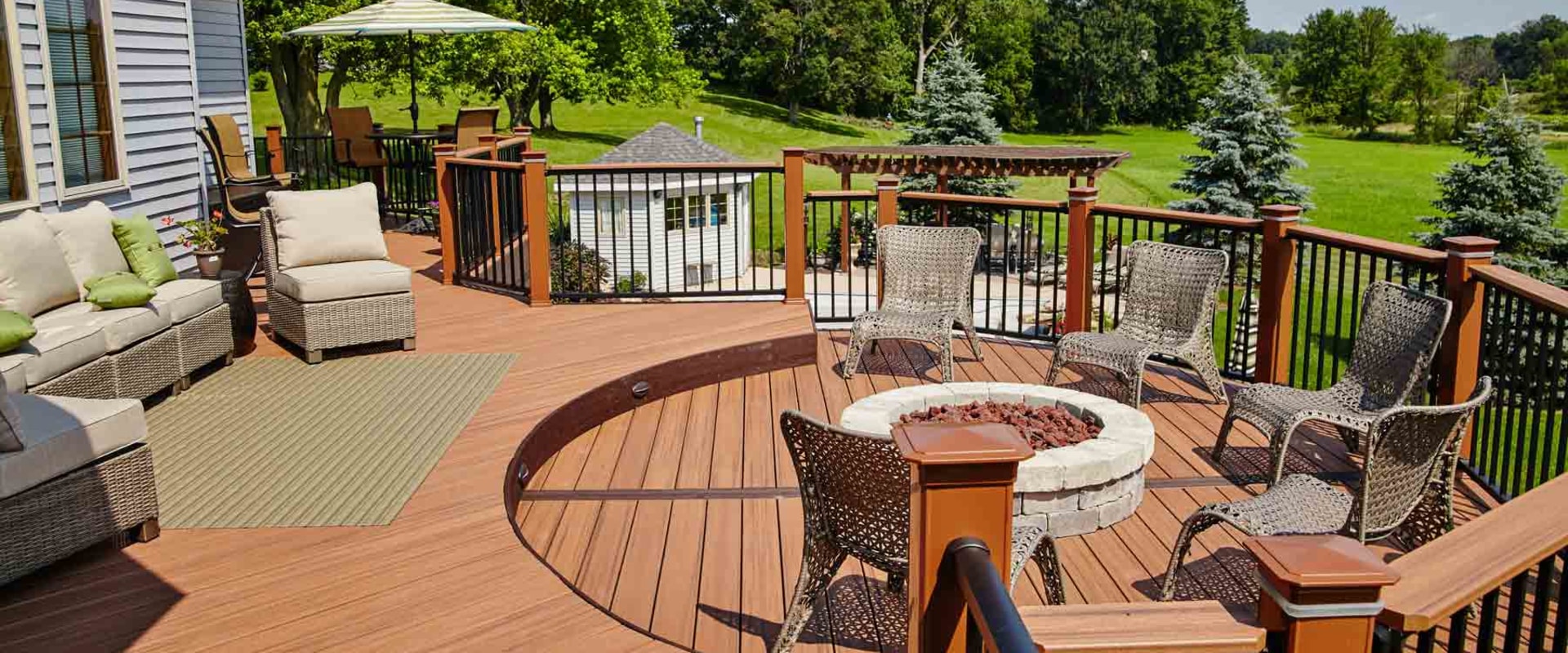
Are you ready to elevate your outdoor living experience? Imagine stepping outside into your very own oasis, where the sun shines down on a beautifully crafted deck that enhances both the beauty and functionality of your space.
Transform Your Outdoor Space with a Beautiful Deck
is not just a dream; it can be your reality. A well-designed deck offers a perfect setting for family gatherings, weekend barbecues, or simply enjoying a quiet evening under the stars, especially when you consider the importance of understanding Electrical An Introduction to the Basics for safe lighting and electrical systems. In this comprehensive guide, we will walk you through the essential steps of is not just a dream; it can be your reality. A well-designed deck offers a perfect setting for family gatherings, weekend barbecues, or simply enjoying a quiet evening under the stars, especially when you consider the importance of understanding Electrical An Introduction to the Basics for safe lighting and electrical systems. In this comprehensive guide, we will walk you through the essential steps of Building a Deck: Step-by-Step Guide. Whether you're a seasoned DIY enthusiast or a beginner looking to tackle your first project, our easy-to-follow instructions will help you create a stunning outdoor area that reflects your personal style. From selecting the right materials to understanding the necessary tools and techniques, we’ve got you covered.Not only will you gain valuable insights into the construction process, but you'll also learn how to choose the best location for your deck, ensuring it complements your home and landscape. So grab your toolkit and let’s dive into the world of DIY home improvement. Your dream deck awaits!Transforming your outdoor space with a beautiful deck can significantly enhance your home’s value and livability. As you embark on this exciting DIY journey, it’s essential to understand the step-by-step process for building a deck. Each phase is crucial to ensure that your deck is not only visually appealing but also structurally sound and compliant with local regulations. The first step in building a deck is careful planning.
This involves assessing your outdoor space and envisioning how you want to use your deck. Consider whether it will be primarily for entertaining guests, creating a serene space for relaxation, or increasing your home’s curb appeal. It’s beneficial to sketch out your ideas and think about the layout that best suits your needs. Additionally, researching local building codes is vital at this stage.
These codes dictate aspects such as deck height, railing specifications, and foundation requirements, which can vary by location. Next, selecting the right materials is crucial for the longevity and aesthetics of your deck. You can choose from a variety of options including traditional wood, composite materials, or eco-friendly alternatives like bamboo or reclaimed wood. Each material has its benefits; for example, composite materials often require less maintenance, while traditional wood provides a classic look. If sustainability is important to you, consider using recycled materials or sustainably sourced wood, which can significantly reduce the environmental impact of your project. Once you’ve chosen your materials, it’s time to move on to construction techniques.
This phase involves preparing the site by clearing any vegetation and leveling the ground. Installing footings is critical; these provide the structural integrity needed to support the weight of your deck. Make sure to follow the guidelines for spacing and depth based on your chosen materials and local building codes. After installing the footings, you’ll build the frame of the deck using beams and joists.
It’s essential to ensure everything is square and level during this stage to prevent future issues. As you begin laying down the decking boards, consider different design styles. A traditional layout features straight boards running parallel to the house, while a modern design may incorporate angled or herringbone patterns for visual interest. Whichever style you choose, be sure to leave proper spacing between boards for drainage and expansion. Finishing touches are what truly make your deck shine. This could include sanding down rough edges, applying a weather-resistant stain or sealant, and installing railings for safety.
Consider adding built-in seating or planters to create a cohesive outdoor living space. The right lighting can also enhance your deck’s ambiance for evening gatherings. Throughout the building process, potential challenges may arise. For example, integrating your new deck with existing landscaping can be tricky. To address this, take time during the planning phase to consider how your deck will interact with surrounding plants and features.
In some cases, you may need to adjust your design or even replant certain areas. For DIY enthusiasts, using proper tools is critical for achieving a high-quality result. Essential tools include a circular saw, power drill, level, and measuring tape. Safety should always be a priority; wear protective gear such as goggles and gloves when working with power tools. It’s also wise to have a buddy system in place when handling heavy materials or working at heights. Finally, incorporating eco-friendly practices into your deck construction can greatly contribute to sustainability efforts.
Use non-toxic finishes and sealants, recycle waste materials whenever possible, and opt for energy-efficient lighting solutions like solar-powered lights. By being mindful of these practices, you not only create a beautiful outdoor space but also contribute positively to the environment. In conclusion, building a deck is an enriching project that can transform your outdoor living area into a personal oasis. By following this comprehensive step-by-step guide—from planning and materials selection to construction techniques and finishing touches—you can ensure that your DIY endeavor results in a stunning deck that brings joy for years to come.
Planning Your Deck
When embarking on the journey of building a deck, careful planning is paramount. A well-thought-out plan not only ensures that your deck meets your needs but also enhances its longevity and aesthetic appeal.Start with a thorough site assessment. Evaluate your yard's layout, considering factors such as sunlight exposure, proximity to trees, and existing landscaping. This will help you determine the best location for your deck, ensuring it complements your outdoor space. Next, brainstorm design ideas. Think about how you intend to use your deck – whether for entertaining guests, enjoying quiet evenings, or simply enhancing the beauty of your home.
Consider features like built-in seating, railings, and lighting that can elevate both functionality and style. Sketch out your vision, or use design software to visualize different configurations. Finally, precise measuring is crucial. Take accurate measurements of the space where you plan to build the deck. This includes not only the area for the deck itself but also ensuring there’s enough clearance for stairs and any additional features.
By measuring carefully, you can avoid costly mistakes and ensure that your dream deck fits perfectly in your outdoor oasis.
Choosing the Right Materials
When it comes to building a deck, selecting the right materials is crucial for both aesthetics and durability. Each material offers distinct advantages and disadvantages, making it essential to consider your specific needs and preferences.Wood
is a traditional choice for deck building, appreciated for its natural beauty and warmth. Common types include pressure-treated lumber, cedar, and redwood. Pressure-treated wood is cost-effective and resistant to insects and decay, but it may require regular maintenance, including staining and sealing, to prolong its lifespan.Cedar and redwood are more visually appealing but come at a higher price point and also require maintenance to prevent weathering.
Composite
decking is made from a blend of wood fibers and plastic, offering a more durable alternative to natural wood. It is resistant to fading, staining, and mold, which means less upkeep over time. However, composite materials can be more expensive upfront than wood, and some homeowners find them less visually appealing due to their uniform appearance.PVC
decking is another synthetic option that provides excellent resistance to moisture, insects, and UV rays. It requires minimal maintenance and comes in various colors and styles.The downside is that PVC can be the most expensive material option and may not have the same natural look that some homeowners desire. Ultimately, your choice will depend on your budget, desired maintenance level, and aesthetic preferences. Weigh the pros and cons of each material carefully to create a deck that meets your vision for your outdoor space.
Building the Frame
Constructing a sturdy frame is essential for any deck, as it provides the structural integrity needed to support the entire outdoor space. Start by establishing the foundation. This can involve pouring concrete footings or using deck blocks depending on your local building codes and soil conditions.Make sure to dig deep enough to reach stable ground and allow for proper drainage. Next, you will need to install posts. These vertical supports should be set in the footings and secured with concrete. Ensure that they are level and plumb, as they will serve as the backbone of your deck. Once the posts are in place, it’s time to add beams. These horizontal supports should be attached to the tops of the posts, creating a solid frame for the deck.
Use lag screws or bolts to secure the beams firmly. Make sure that the beams are level and evenly spaced to prevent any sagging. After your beams are installed, you can move on to laying down the joists. These smaller horizontal boards are placed perpendicular to the beams and act as support for the decking material. Space the joists according to your decking type, usually 16 inches apart for standard decking.
Secure each joist with joist hangers or screws for added stability. Finally, double-check all measurements and ensure everything is square before proceeding with the decking material. A well-constructed frame will not only support your deck but also enhance its longevity and safety for years to come.
Finishing Touches
After you have constructed your deck, it’s time to focus on the finishing touches that will protect it and enhance its beauty. Proper sealing, staining, or painting is essential to ensure your deck withstands the elements and maintains its appeal over time. First, consider sealing your deck. A good quality sealant acts as a barrier against moisture, preventing warping and decay.It’s best to apply the sealant at least once a year or as recommended by the manufacturer. Look for a sealant that offers UV protection to prevent fading from sun exposure. Next, you might want to explore staining options. Stains not only add color but also provide protection against the weather. They come in various shades, allowing you to customize the look of your deck while enhancing the natural grain of the wood.
Choose between transparent stains for a natural look or solid stains for more color coverage. If you prefer a more vibrant finish, painting your deck can be a great option. Paint can give your deck a completely different aesthetic and can be matched with the colors of your home for a cohesive look. Make sure to use paint specifically designed for outdoor surfaces to ensure durability and longevity. In conclusion, whether you choose to seal, stain, or paint your deck, these finishing touches will not only protect your investment but also elevate the overall appearance of your outdoor space. A well-finished deck can become a focal point of your backyard, inviting family and friends to enjoy countless moments together.
Maintenance Tips
To ensure your deck remains beautiful and functional for years to come, it is essential to adopt a regular maintenance routine.Start by inspecting your deck at least twice a year, ideally in the spring and fall, to identify any signs of wear or damage. Look for loose boards, protruding nails, or signs of rot that may need immediate attention. Cleaning your deck is another critical aspect of maintenance. Use a broom to remove leaves and debris, and then wash the surface with a mild detergent and water. For deeper cleaning, consider using a pressure washer, but be cautious not to damage the wood.
Regular cleaning prevents mold and mildew buildup, which can lead to deterioration. Applying a protective sealant every few years will help maintain the wood's integrity and appearance. Choose a high-quality sealant suitable for your deck material, whether it's wood or composite. This protective layer shields the deck from moisture, UV rays, and other environmental factors that can cause fading and damage. Also, be mindful of how you use your deck. Avoid placing heavy furniture in one spot for too long, as this can create indentations.
When grilling or using fire pits, always keep an eye on any spills or embers that could harm the surface. With these simple yet effective maintenance tips, your deck will continue to enhance your outdoor space for years to come.
Laying Deck Boards
Once you have constructed the frame of your deck, the next crucial step is laying deck boards. This process not only contributes to the deck's aesthetic appeal but also ensures its durability and functionality. Follow these instructions to lay deck boards efficiently and achieve a professional look. First, begin by selecting high-quality materials.Choose deck boards that are resistant to warping and weather damage. Common choices include pressure-treated lumber, composite materials, or hardwoods. Ensure that the boards are all the same thickness and width for a uniform appearance. Before installation, prepare the area by ensuring that the frame is clean and free of debris. Measure and mark where each board will be placed, starting from one corner of the deck.
It’s often best to work from the outside edges toward the center to maintain symmetry. Next, secure the first board in place using deck screws. Make sure to drive screws at an angle to create a strong hold without splitting the wood. Leave a small gap between the boards (usually around 1/8 inch) to allow for expansion and drainage. This spacing is essential for preventing water accumulation, which can lead to mold or rot. As you continue laying additional boards, use a spacer to ensure consistent gaps throughout.
Regularly check for level and alignment; this will help avoid any unsightly unevenness. If you encounter any boards that are slightly bowed or warped, you can use a clamp to hold them in place while securing. For a polished finish, consider cutting the ends of your boards at a slight angle or using a router to create rounded edges. This not only enhances the appearance but also prevents splinters. Finally, once all boards are laid, check for any protruding screws and sand down any rough edges. Completing this step ensures that your deck is safe and comfortable for all users. By following these guidelines for laying deck boards, you’ll achieve a professional-looking deck that enhances your outdoor space and provides years of enjoyment. In conclusion, building a deck offers numerous benefits that can transform your outdoor living experience.
A well-constructed deck not only enhances your home's aesthetic appeal but also provides a versatile space for entertaining, relaxing, and enjoying the beauty of nature. By investing time in careful planning and selecting the right materials, you can create an outdoor haven that reflects your unique style and meets your functional needs. Now is the perfect time to take action on your deck project. Whether you envision a cozy retreat or a grand entertainment area, the joy and satisfaction of creating a space tailored to your lifestyle await you. Remember, with dedication and the right guidance, your dream deck is within reach!.