Eco-Friendly Renovations · Energy Efficiency Upgrades · Installing Energy-Efficient Windows: Benefits and Costs ·
Transforming Your Home with Energy-Efficient Windows
Discover the benefits, costs, and installation tips for energy-efficient windows to enhance your home renovation project.
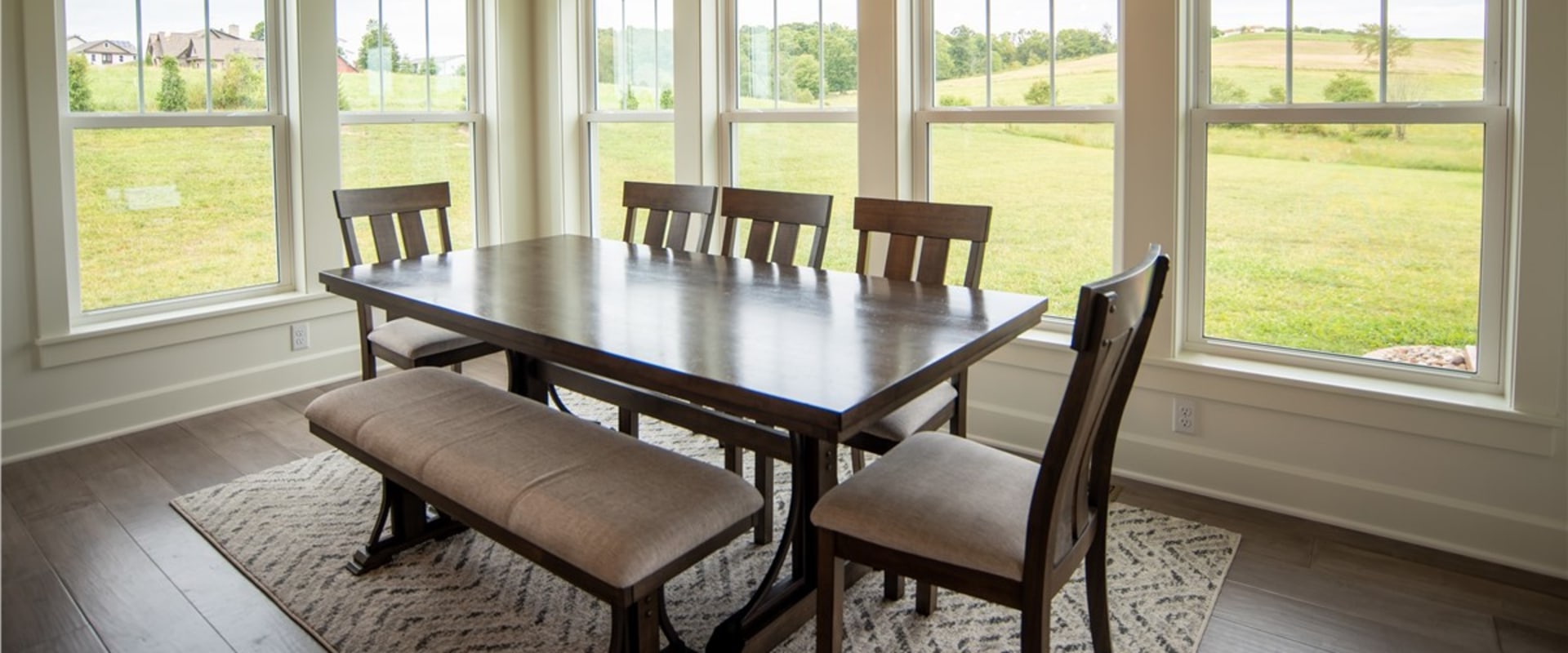
In today’s world, where environmental concerns and energy costs are on the rise, transforming your home with energy-efficient windowstransforming your home with energy-efficient windows is not just a trend; it’s a necessity. As homeowners seek ways to reduce their carbon footprint while enhancing the comfort of their living spaces, the choice of windows plays a pivotal role. This article delves into the myriad benefits and costs associated with installing energy-efficient windows, highlighting how this upgrade can lead to significant savings on energy bills, improved aesthetic appeal, and a smaller environmental impact. Imagine a home that not only looks beautiful but also keeps you warm in the winter and cool in the summer, all while minimizing your reliance on heating and cooling systems. Energy-efficient windows are designed to provide superior insulation, reducing the amount of energy needed to maintain comfortable indoor temperatures.
In addition to contributing to a greener planet, these windows can enhance your home’s value and curb appeal. However, every renovation comes with its own set of considerations. Understanding the initial costs involved and weighing them against long-term savings is crucial for any homeowner contemplating this upgrade. The journey toward sustainability begins with informed choices, and through this article, we aim to equip you with the knowledge needed to make the best decision for your home. Join us as we explore the transformative potential of energy-efficient windows, uncovering their benefits and costs, and guiding you through the process of making your home a more eco-friendly sanctuary.
Installing Energy-Efficient Windows
is a transformative step towards enhancing the sustainability of your home. As homeowners increasingly prioritize energy efficiency, the importance of making smart renovations cannot be overstated.One of the most impactful changes you can make is to invest in energy-efficient windows. These windows do more than just beautify your home; they significantly reduce utility bills and improve comfort levels, creating a cozy environment year-round. As the trend towards eco-friendly renovations grows, understanding the benefits of energy-efficient windows becomes essential for any homeowner looking to make a lasting impact. The benefits of installing energy-efficient windows are numerous. First and foremost, they lead to substantial reduced energy costs.
By minimizing heat loss in winter and keeping your home cooler in summer, these windows can lower your heating and cooling expenses by up to 25%. This not only saves money but also reduces your carbon footprint, contributing to a more sustainable lifestyle. Additionally, energy-efficient windows enhance overall comfort within your home. They help maintain consistent indoor temperatures by preventing drafts and reducing condensation, which can lead to mold growth.
Furthermore, homes equipped with these windows often see an increase in property value. Potential buyers are increasingly interested in energy-efficient features, making your home more attractive on the market. In the realm of energy-efficient windows, several options are available to suit various needs and preferences. Among the most popular choices are double-glazed windows, which consist of two panes of glass separated by a space filled with gas, providing excellent insulation. Another option is low-E glass, which has a special coating that reflects heat back into your home during winter and keeps it out during summer.
This technology helps in maintaining optimal indoor temperatures while reducing glare from the sun. Additionally, argon-filled windows, where argon gas fills the gap between panes, offer further insulation benefits due to argon's low thermal conductivity. With various styles and materials available, it’s crucial to select windows that match your climate and personal preferences. Choosing the right windows for your home involves considering factors such as climate, style, and budget. For instance, if you live in a colder region, investing in triple-glazed windows may provide additional insulation compared to double-glazed options.
In warmer areas, low-E glass could be more beneficial for controlling heat gain. It’s also important to think about aesthetics; modern window designs can complement your home's architecture while providing energy savings. Consulting with professionals or doing thorough research can help you make informed decisions tailored to your specific situation. The installation process for energy-efficient windows can be approached in two ways: hiring a professional or opting for a DIY project. If you choose the DIY route, ensure you have the necessary tools such as a level, caulk gun, measuring tape, and safety gear.
The installation typically involves removing old windows, preparing the opening, inserting the new window frame, and sealing it properly to prevent air leaks. However, it's important to note that improper installation can negate the benefits of energy-efficient windows, so if you're uncertain about any step of the process, consulting a professional is advisable. To visualize the transformation that energy-efficient windows can provide, consider before-and-after scenarios. For example, a home with single-pane windows may experience drafts and high energy costs. After replacing them with double-glazed units featuring low-E glass, homeowners often report warmer winters and cooler summers alongside noticeable reductions in their energy bills.
Such transformations can be particularly striking when paired with modern designs that enhance the aesthetic appeal of the property. A common concern for many homeowners is the upfront cost associated with installing energy-efficient windows. While it is true that these windows can come at a higher initial price than standard options, it’s essential to weigh this against long-term savings. Studies show that homeowners can recoup 70-90% of their investment through lower energy bills and increased property value over time. Case studies indicate that many families begin seeing significant savings within just a few years of installation. Additionally, homeowners should explore available rebates or incentives when considering energy-efficient upgrades.
Many local governments and utility companies offer programs that assist with offsetting initial costs, making it even more affordable to upgrade your windows. The current trends in window design also align closely with eco-friendly renovations. Modern aesthetics often emphasize large glass panels that allow natural light while maintaining energy efficiency through advanced technologies. Integration of smart technology is becoming increasingly popular as well; smart windows can adjust their tint based on sunlight exposure or even be controlled remotely for optimal energy management. These advancements not only enhance comfort but also contribute significantly towards reducing energy consumption in homes. In conclusion, installing energy-efficient windows is a smart investment for any homeowner committed to making eco-friendly renovations.
With numerous benefits including reduced energy costs, enhanced comfort levels, and increased property value, these upgrades represent a significant step towards sustainability.
The Advantages of Energy-Efficient Windows
Investing in energy-efficient windows brings a multitude of benefits that extend beyond mere aesthetics. One of the most significant advantages is the potential for energy savings. These windows are designed to minimize heat loss during the winter and reduce heat gain during the summer, leading to lower energy consumption for heating and cooling. As a result, homeowners can expect a noticeable reduction in their utility bills. In addition to financial savings, energy-efficient windows contribute to improved comfort levels within the home.By maintaining a consistent indoor temperature, these windows help eliminate drafts and cold spots, creating a more pleasant living environment year-round. This enhanced comfort is particularly valuable during extreme weather conditions. Furthermore, installing energy-efficient windows can increase the overall value of your home. As more buyers become environmentally conscious and seek out properties with sustainable features, homes equipped with these windows may command higher resale prices. This makes them not only an investment in your current comfort but also a strategic move for future property value. Lastly, embracing energy-efficient windows aligns with the growing trend towards eco-friendly renovations.
Homeowners who prioritize sustainability can significantly reduce their carbon footprint while contributing to a healthier planet.
Cost Analysis: Investment vs Savings
When considering installing energy-efficient windows, it is essential to conduct a thorough cost analysis that weighs the initial investment against long-term savings. While the upfront costs of energy-efficient windows can be higher than traditional options, the financial benefits they provide over time can make them a wise choice for homeowners. The initial costs associated with energy-efficient windows typically include the purchase price of the windows themselves and installation fees. Depending on the type of windows selected, prices can range significantly. However, many homeowners find that investing in high-quality windows not only enhances their home's aesthetic appeal but also provides better insulation and energy performance. Once installed, energy-efficient windows can lead to substantial savings on utility bills.These windows are designed to minimize heat loss during winter and reduce heat gain during summer, resulting in lower heating and cooling costs. Studies indicate that homeowners can save anywhere from 10% to 30% on their energy bills, depending on their geographical location and the efficiency of the existing windows. In addition to savings on energy bills, there may be various financial incentives available for homeowners who choose to upgrade to energy-efficient windows. Many local governments and utility companies offer rebates, tax credits, or financing options to encourage homeowners to invest in energy-saving improvements. It's advisable to research these programs as they can significantly offset initial costs and enhance the overall return on investment. Ultimately, while the initial investment in energy-efficient windows may seem daunting, the potential savings over time, combined with available financial incentives, make it a worthwhile consideration for homeowners looking to improve their home’s energy efficiency.
Types of Energy-Efficient Windows
When it comes to energy-efficient windows, homeowners have several options to choose from, each offering unique features and benefits that can enhance both comfort and energy savings.Double Glazed Windows
are one of the most popular choices.They consist of two panes of glass separated by a space filled with argon gas, which acts as an insulator. This design reduces heat transfer, keeping homes warmer in the winter and cooler in the summer.
Triple Glazed Windows
take energy efficiency a step further by adding a third pane of glass. This extra layer provides even greater insulation and soundproofing, making them an excellent choice for homes in noisy environments or extreme climates.Low-E Glass Windows
are another option. These windows have a special coating that reflects infrared light while allowing visible light to pass through.This helps to maintain a comfortable indoor temperature while reducing heating and cooling costs.
Energy Star Certified Windows
meet strict energy efficiency guidelines set by the U.S. Environmental Protection Agency. Choosing Energy Star certified products can provide additional peace of mind, knowing they have been tested for performance and efficiency.Vinyl Windows
, made from PVC (polyvinyl chloride), are known for their durability and low maintenance requirements. They come with built-in insulation properties, making them an efficient choice without the need for additional treatments. Finally, Wood-Clad Windows offer a beautiful aesthetic while maintaining energy efficiency.These windows feature a wood interior for warmth and beauty, with a durable exterior shell made from vinyl or aluminum to protect against the elements. In summary, selecting the right type of energy-efficient windows is crucial for maximizing energy savings and enhancing comfort in your home. Each type offers distinct advantages, making it important for homeowners to assess their specific needs and preferences when choosing the best option.
Installation Process: DIY vs Professional Help
When considering installing energy-efficient windows, one of the first decisions to make is whether to tackle the project yourself or hire professionals. Both options come with their own set of advantages and challenges, and understanding these can help you make an informed choice. If you are a DIY enthusiast, the installation process typically involves several key steps. First, you’ll need to measure your existing window frames accurately to ensure a proper fit for your new windows.Next, you will remove the old windows, which can involve prying out the frame and carefully taking out the glass. Once the old window is removed, prepare the opening by checking for any damage and ensuring the area is clean. After that, you can install the new windows by placing them into the frame, securing them with screws, and sealing around the edges with caulk to prevent air leaks. However, DIY installation requires a fair amount of skill and tools. If you are not experienced in home renovations, you might encounter challenges such as improper fitting or inadequate sealing, which can lead to energy loss and increased utility bills in the future. On the other hand, hiring a professional for energy-efficient window installation can alleviate many of these concerns.
Professionals bring expertise and experience to the table, ensuring that the installation adheres to local building codes and best practices. They can also handle unexpected issues that may arise during installation. The process typically begins with an assessment of your home and ends with a thorough cleanup. While professional services may come with a higher upfront cost, they often provide warranties on their work, adding a layer of security to your investment in energy-efficient windows. Ultimately, the decision between DIY installation and professional help depends on your comfort level with home improvement projects, your budget, and how quickly you want to see results.
Current Trends in Window Design
In recent years, the demand for energy-efficient windows has surged, driven by a growing awareness of environmental sustainability and rising energy costs.Homeowners are increasingly seeking solutions that not only reduce energy consumption but also enhance the overall aesthetic appeal of their living spaces. One of the most notable trends in window design is the use of larger window sizes. Expansive windows allow natural light to flood into homes, creating a more open and inviting atmosphere. These larger openings, often paired with high-performance glazing, not only improve energy efficiency by minimizing heat loss but also provide stunning views of the outdoors. Another trend gaining traction is the incorporation of smart technology into window designs. Automated blinds, tinting options, and energy monitoring systems enable homeowners to control the amount of sunlight entering their homes, further optimizing energy usage.
This integration of technology aligns with the modern homeowner's desire for convenience and efficiency. Additionally, sustainable materials are becoming increasingly popular in window manufacturing. Frames made from reclaimed wood or recycled aluminum not only contribute to eco-friendly renovations but also add unique character to each window. The use of such materials reflects a commitment to sustainability while ensuring durability and performance. Finally, the aesthetic appeal of windows is being enhanced through innovative designs that blend traditional and contemporary styles.
Customizable options
, such as unique shapes and colors, allow homeowners to personalize their windows while maintaining energy efficiency.This trend highlights the idea that functionality and beauty can coexist in home design. In conclusion, investing in energy-efficient windows is not merely a financial decision; it is a commitment to enhancing your home's value and sustainability. As we have discussed, the long-term benefits include reduced energy bills, increased comfort, and a positive contribution to the environment. By incorporating these upgrades into your home renovation strategy, you are taking a significant step towards achieving a more eco-friendly living space. is not merely a financial decision; it is a commitment to enhancing your home's value and sustainability. As we have discussed, the long-term benefits include reduced energy bills, increased comfort, and a positive contribution to the environment. By incorporating these upgrades into your home renovation strategy, you are taking a significant step towards achieving a more eco-friendly living space.
Energy-efficient windows
play a crucial role in this transformation, offering both immediate savings and enduring advantages that align with the growing trend of sustainable renovations. We encourage you to embrace these upgrades, considering not just the initial costs but the substantial savings and environmental benefits they can provide over time.Your choice to invest in energy-efficient windows is an investment in a greener future for both your home and the planet.