Cost of Home Renovations · Cost Breakdown by Room · Bathroom Remodel Cost Estimates: What to Expect ·
Understanding Bathroom Remodel Costs: Essential Insights
Explore the costs associated with bathroom remodels, including budgeting tips, design ideas, and current trends to inspire your renovation project.
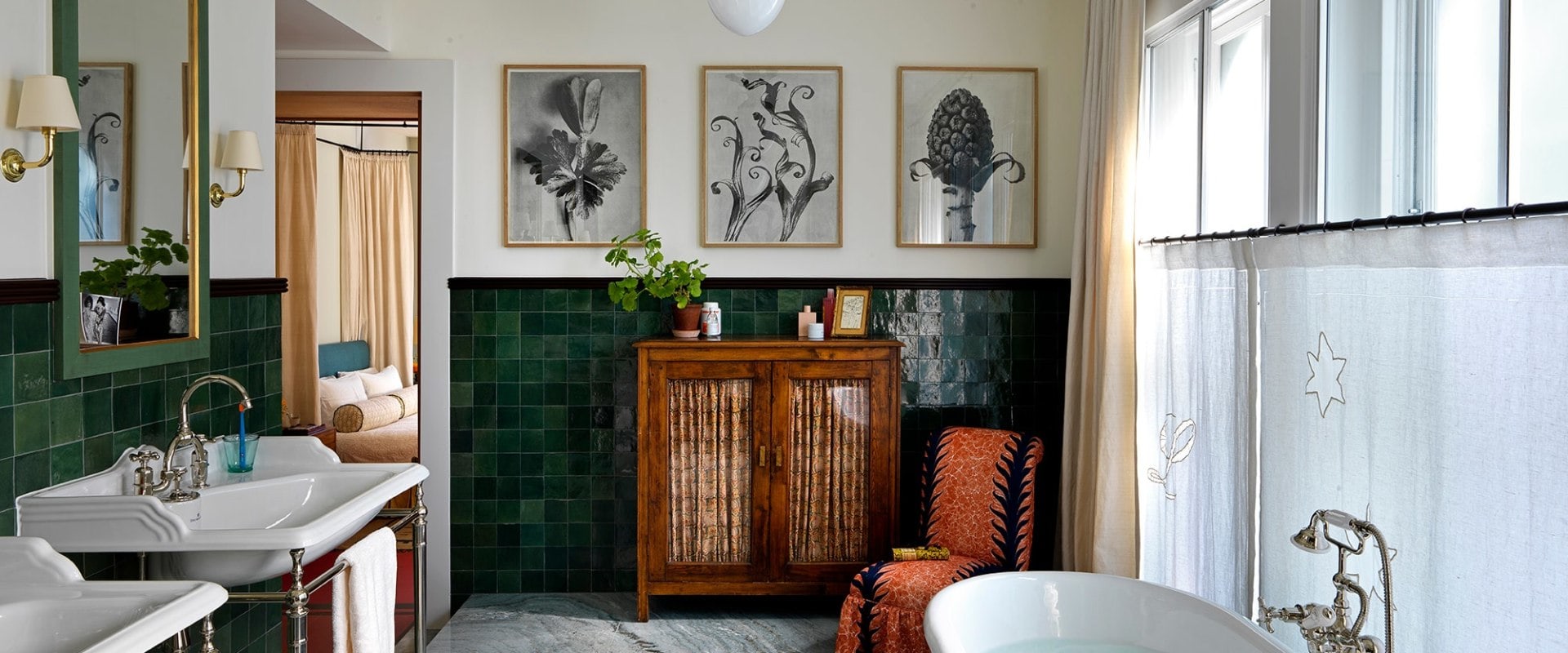
Embarking on a bathroom remodel can be an exciting yet daunting endeavor. As one of the most frequently used spaces in your home, the bathroom deserves attention to detail and thoughtful planning. However, before you dive into design ideas and material selections, it's crucial to understand the bathroom remodel cost estimates that come with transforming this essential area. Whether you're aiming for a simple refresh or a complete overhaul, knowing what to expect in terms of costs can make all the difference in your renovation journey. In today’s market, the prices associated with remodeling projects can vary significantly based on factors such as size, materials, labor, and the complexity of the design.
This article aims to provide you with essential insights into bathroom remodel costs, helping you navigate through the financial aspects with confidence. By understanding the typical costs involved and the elements that influence them, you will be better equipped to plan your project effectively and avoid any unexpected financial surprises. Join us as we explore the various components that contribute to bathroom renovation expenses, empowering you with knowledge to make informed decisions. Whether you're working with a limited budget or looking to splurge on high-end finishes, our guide will help you set realistic expectations and lay the groundwork for a successful remodel that enhances both functionality and aesthetics.
Bathroom remodel costs
can vary significantly based on several factors, making it crucial for homeowners to understand what influences these expenses. One of the primary factors is the size of the bathroom.A larger space generally requires more materials, labor, and fixtures, which naturally drives up the overall cost. Conversely, a smaller bathroom might seem less expensive to remodel; however, it can still incur significant costs depending on the choices made for fixtures and finishes. The choice of materials also plays a vital role in determining the costs associated with a bathroom remodel. High-end materials such as marble or granite will significantly increase expenses compared to more budget-friendly options like laminate or ceramic tiles. For example, while a standard bathtub can range from $300 to $1,500 depending on the style and material, a luxury soaking tub could easily exceed $3,000.
Labor
costs can also fluctuate based on location and the complexity of the remodel.In metropolitan areas, where demand for skilled labor is high, homeowners may find that labor costs can account for nearly 40% of their total budget. Additionally, if the remodel involves plumbing or electrical work, hiring licensed professionals becomes essential, further impacting overall costs. When breaking down average costs for various components in a bathroom remodel, it’s helpful to consider key areas such as fixtures, cabinetry, flooring, and tiles. On average, homeowners can expect to spend between $150 to $500 on toilets, $200 to $700 on sinks, and $400 to $1,200 on bathtubs. For cabinetry, costs typically range from $2,000 to $8,000 based on style and material quality.
Flooring options vary widely; ceramic tile might cost $2 to $15 per square foot while luxury vinyl could range from $3 to $7 per square foot. Tiles for walls or flooring can add up quickly as well, with prices generally between $1 to $30 per square foot depending on design and material. The decision between DIY versus hiring professionals is another crucial aspect that affects remodeling costs. DIY projects can save money but often require a significant time investment and a certain level of skill. Homeowners should weigh the pros and cons carefully: while DIY can be cost-effective for simpler tasks such as painting or installing tile backsplashes, complex plumbing or electrical work is best left to professionals to avoid costly mistakes.
Hiring professionals ensures quality workmanship but comes at a premium price. For example, while labor for a full bathroom remodel may cost around $5,000 to $15,000 depending on location and scope, it often leads to a smoother process and fewer headaches. Budgeting effectively for a bathroom remodel involves careful planning and consideration of all potential expenses. Homeowners should create a detailed budget that includes not only materials and labor but also unexpected costs that may arise during construction. Setting aside an additional 10-20% of the total budget as a contingency fund can provide financial security against unforeseen issues. When it comes to financing options for remodeling projects, homeowners have several avenues they can explore.
Home equity loans or lines of credit are popular choices since they typically offer lower interest rates compared to personal loans or credit cards. Alternatively, some homeowners might consider personal loans specifically designed for home improvements or even financing plans offered by contractors. Current trends in bathroom design also influence remodeling decisions. Homeowners increasingly seek eco-friendly options that conserve water and energy while still providing stylish aesthetics. Installing low-flow toilets and water-saving faucets can significantly reduce water usage without sacrificing performance.
Additionally, integrating smart technology features, such as automated lighting systems or smart mirrors with built-in displays, adds modern convenience and efficiency to bathrooms. To inspire readers further, before-and-after transformations serve as powerful examples of what’s possible with a thoughtful remodel. For instance, updating an outdated bathroom with modern fixtures and fresh paint can create an inviting oasis that enhances both functionality and visual appeal. A simple change like replacing old cabinets with sleek new ones can dramatically alter the atmosphere of the space while improving storage capabilities. Understanding bathroom remodel costs is essential for making informed decisions that align with both your vision and budget. By considering factors such as size, materials, labor costs, DIY versus professional help, budgeting strategies, and current design trends, homeowners can embark on their remodeling journey with confidence and creativity.
Before-and-After Examples
One of the most compelling ways to understand the impact of a bathroom remodel is through stunning before-and-after visuals.These images not only showcase the transformation of spaces but also provide inspiration for your own renovation projects. By highlighting actual remodels, readers can better visualize the potential of their bathrooms. Consider a small, outdated bathroom that previously featured dull tiles and minimal storage. In its after photo, you might see a bright, airy space that has been completely reimagined with modern fixtures, sleek cabinetry, and stylish accessories. This transformation can elevate both the functionality and aesthetics of the room. Another example might involve a cramped master bath.
Before the remodel, it may have felt cluttered and dark. The after image can reveal an open-concept design that incorporates natural light, dual sinks, and a spacious walk-in shower. Such changes not only enhance daily comfort but can also significantly increase the home’s value. These before-and-after examples serve as powerful reminders that even modest changes can lead to remarkable results. They encourage homeowners to envision the possibilities within their own spaces and consider how a well-planned bathroom remodel could transform their daily routines.
Factors Influencing Bathroom Remodel Costs
When considering a bathroom remodel, it is essential to understand the various factors that can significantly impact the overall cost.One of the primary elements is the size of the bathroom. Larger bathrooms typically require more materials and labor, which can increase costs substantially. Conversely, smaller bathrooms may offer opportunities for budget-friendly upgrades without compromising quality. The choice of materials also plays a crucial role in determining remodeling expenses. High-end finishes, such as granite countertops and custom cabinetry, can elevate costs quickly.
On the other hand, opting for more affordable materials like laminate or stock cabinetry can help keep the project within budget while still achieving a beautiful outcome.
Labor rates
vary significantly across different regions, affecting the overall cost of the remodel. Urban areas often have higher labor costs due to increased demand and living expenses. Homeowners should research local rates and consider obtaining multiple quotes from contractors to ensure they are getting competitive pricing. Finally, it is important to be prepared for unforeseen expenses. During a remodel, unexpected issues such as plumbing problems or structural repairs may arise, leading to additional costs.Setting aside a contingency budget of approximately 10-20% of the overall project cost can help manage these surprises and keep the renovation on track.
Budgeting and Financing Options
When planning a bathroom remodel, one of the most crucial steps is establishing a solid budget. Having a clear understanding of your bathroom remodel cost estimates will help you make informed decisions and avoid unexpected expenses. Start by determining your overall budget, which should encompass all elements of the project, including labor, materials, permits, and any unforeseen costs that may arise during the renovation process. Next, consider creating a detailed list of all the features and upgrades you wish to incorporate into your remodel. This might include modern fixtures, new flooring, or additional storage solutions.By prioritizing these items, you can allocate funds more effectively and decide where to splurge or save. Once you have a budget in mind, explore various financing options to fund your bathroom remodel. Homeowners often utilize personal loans, home equity loans, or lines of credit to cover renovation costs. Personal loans are unsecured and can be a quick way to access funds, while home equity loans allow you to borrow against the equity built up in your home. Additionally, some homeowners consider government grants aimed at improving home efficiency or accessibility, which can significantly reduce out-of-pocket expenses. Before committing to any financing option, it's essential to compare interest rates and terms from different lenders.
This will ensure you find the most favorable conditions that suit your financial situation. Remember that maintaining a realistic budget and exploring financing options can lead to a successful bathroom remodel that enhances both your home’s value and your comfort.
Average Cost Breakdown by Component
Understanding the average costs associated with a bathroom remodel is crucial for homeowners planning their renovation. Here’s a detailed breakdown of essential components that typically contribute to the overall expenses.Plumbing Fixtures
are one of the most significant costs in a bathroom remodel. This category includes items such as sinks, toilets, and faucets.On average, homeowners can expect to spend between $500 and $2,000 depending on the quality and style of the fixtures chosen.
Tiles
, whether for flooring or walls, can also impact your budget significantly. The cost of tiles can vary widely based on material; ceramic tiles may range from $1 to $15 per square foot, while luxury options like natural stone could go up to $30 or more per square foot. Overall, tile expenses can range from $800 to $3,000 for an average-sized bathroom.Cabinetry
is another key component that affects the overall cost. Custom cabinets can be quite pricey, with averages ranging from $1,200 to $5,000.Stock cabinets are more budget-friendly, typically costing between $300 and $1,200.
Lighting
is essential for both functionality and ambiance. Depending on the type of fixtures selected, homeowners might spend anywhere from $100 to $1,500 on lighting. Consideration for energy-efficient options may also influence this cost. Finally, labor costs should not be overlooked. Hiring professional contractors can add a significant amount to your budget, usually ranging from $50 to $150 per hour.Overall labor costs for a bathroom remodel can be anywhere from $1,000 to $3,000 based on the complexity and duration of the project. By understanding these components and their associated costs, homeowners can better prepare their budgets and make informed decisions during the remodeling process.
Current Trends in Bathroom Design
As homeowners look to remodel their bathrooms, understanding the current trends in bathroom design can significantly enhance both the aesthetics and functionality of the space. Today, the emphasis is on creating a serene oasis that combines style with practicality. One of the most popular trends is the incorporation of minimalist designs. This approach focuses on clean lines and a clutter-free environment, using neutral colors and simple fixtures to create a tranquil atmosphere. By minimizing unnecessary elements, homeowners can achieve a modern look that feels spacious and inviting. Another trend gaining traction is the use of smart technology.From automated lighting systems to heated floors and smart mirrors with built-in displays, integrating technology into bathroom design not only enhances convenience but also adds a touch of luxury. Homeowners are increasingly seeking features that allow for personalized experiences, such as programmable shower settings and voice-activated controls. The use of sustainable materials is also on the rise. Eco-friendly options like bamboo, recycled glass, and low-VOC paints are becoming more mainstream as homeowners become more environmentally conscious. These materials not only reduce environmental impact but also contribute to healthier indoor air quality. Furthermore, bold tile choices are making a statement in bathroom renovations.
Whether it's colorful mosaics or large-format tiles with unique textures, homeowners are using tile to create focal points that add character and depth to the space. Accent walls or patterned floors can transform an ordinary bathroom into a stunning visual experience. Lastly, the trend towards spa-like experiences is reshaping bathroom designs. Homeowners are looking to replicate the tranquility of a spa by incorporating features like freestanding soaking tubs, rainfall showerheads, and ambient lighting. These elements not only enhance relaxation but also increase the overall value of the home. In summary, staying abreast of current trends in bathroom design is essential for homeowners looking to remodel.
By focusing on minimalism, smart technology, sustainability, bold tiles, and spa-inspired elements, one can create a functional yet aesthetically pleasing bathroom that meets modern needs.
DIY vs. Hiring Professionals
When it comes to bathroom remodel cost estimates, one of the most significant decisions homeowners face is whether to tackle the project themselves or hire experienced professionals. Each option has its advantages and drawbacks, and understanding these can help you make a more informed choice. Undertaking a DIY bathroom remodel can be a tempting option, especially for those who are handy or have experience with home improvement projects. The primary benefit of going the DIY route is cost savings.By doing the work yourself, you can avoid labor costs, which can significantly increase the overall expense of a remodel. Additionally, DIY projects can allow for more creative freedom and personalization, as you can implement your own design choices without having to consult a contractor. However, it’s crucial to assess your skills realistically. Certain aspects of a bathroom remodel, such as plumbing and electrical work, require specialized knowledge and experience. Attempting these tasks without proper expertise can lead to costly mistakes and potential safety hazards.
If you're unfamiliar with these areas, hiring a professional may ultimately save you money and stress in the long run. For those considering DIY work, here are some tips: First, start with a clear plan that includes budgeting for materials and potential unexpected expenses. Next, take the time to research and learn about the various tasks involved in your remodel; online tutorials and community forums can be invaluable resources. Additionally, consider starting with smaller projects, such as painting or replacing fixtures, to build your skills before tackling more complex renovations. On the other hand, hiring professionals can provide peace of mind. Experienced contractors bring expertise and efficiency to the table, often completing projects faster than an inexperienced homeowner could.
They also have access to industry connections for materials and may offer warranties for their work. However, it's essential to obtain multiple quotes and check references to ensure you are hiring someone reliable and skilled. In conclusion, whether you choose to go the DIY route or hire a professional depends on your comfort level with home renovations, your budget, and the scope of your project. Weighing the pros and cons of each option will help ensure that your bathroom remodel not only enhances your home’s value but also aligns with your financial goals. In conclusion, thorough planning is essential when embarking on a bathroom remodel. By understanding the various factors influencing bathroom remodel costs, homeowners can make informed choices that align with their financial capabilities and design aspirations.
It is crucial to set realistic budgets and explore a wide range of design ideas that reflect personal style preferences, ensuring that the final result not only enhances functionality but also adds value to the home. We encourage our readers to take the initiative by conducting in-depth research and seeking inspiration from both current trends and timeless designs. Remember, being well-prepared can help avoid unexpected expenses and lead to a more satisfying remodeling experience. We invite you to share your own experiences with bathroom renovations or ask any questions you may have. Your insights can help others in their renovation journey!.