Home Design Trends · Furniture Trends · Sustainable Furniture Choices ·
Sustainable Furniture Choices for Your Home Renovation
Discover how to select sustainable furniture for your home renovation projects, including tips on materials, design trends, and budgeting.
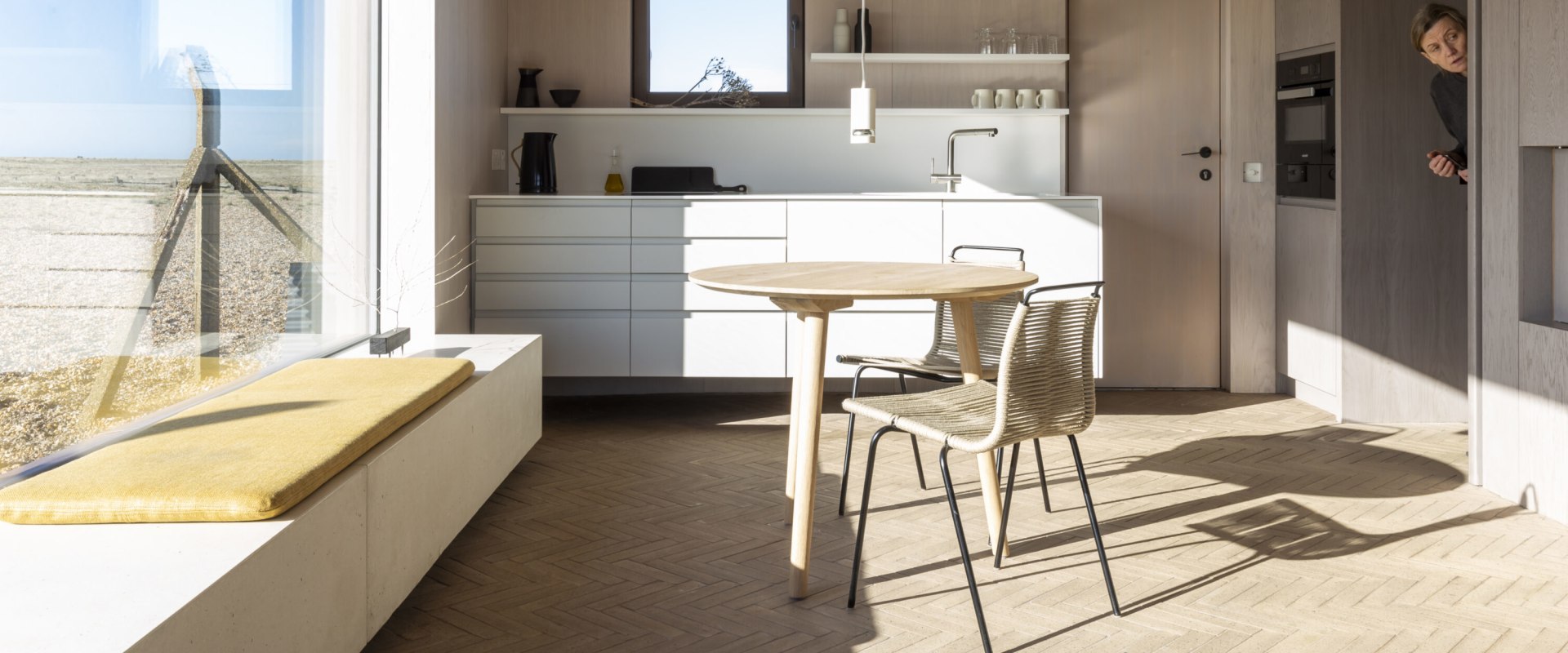
In today's world, where environmental concerns are at the forefront of our collective consciousness, making Sustainable Furniture Choices has never been more crucial. As we embark on home renovations, it is essential to consider not just the aesthetic appeal of our furniture, but also the impact it has on our planet. With a myriad of options available, from reclaimed wood pieces to eco-friendly materials, the choices we make can significantly influence our carbon footprint and contribute to a healthier environment. Imagine transforming your living space into a sanctuary that reflects both your style and your commitment to sustainability. By integrating Sustainable Furniture Choices into your renovation plans, you can create a harmonious balance between beauty and responsibility.
This article will explore innovative ideas, materials, and practices that will not only enhance your home’s design but also align with environmentally conscious values. Join us as we delve into the vibrant world of sustainable furniture trends, offering insights that empower you to make informed decisions for your home. Whether you’re updating a single room or embarking on a full renovation, embracing sustainability can elevate your space while contributing to the well-being of our planet. When embarking on a home renovation project, one of the most impactful decisions you can make is to focus on sustainable furniture choices. As awareness of environmental issues continues to grow, more homeowners are recognizing the importance of selecting furniture that not only enhances their living spaces but also contributes positively to the planet. By opting for eco-friendly materials and practices, you can create a home that reflects your values while promoting a healthier lifestyle. One key aspect of sustainable furniture choices is the materials used in production.
Eco-friendly options include reclaimed wood, which repurposes old timber from buildings or furniture to create new pieces, thus reducing the demand for freshly harvested wood. Another excellent alternative is bamboo, a fast-growing grass that can be harvested without harming the environment. Additionally, recycled metals are increasingly popular, as they help reduce waste and energy consumption associated with producing new materials. These sustainable materials not only contribute to a reduced carbon footprint but also add unique character and charm to your home. When considering sustainable furniture choices, it's important to explore popular furniture styles that effectively incorporate these eco-friendly materials.
For instance, rustic and industrial designs often feature reclaimed wood and metal, giving them a distinctive look while being environmentally responsible. Mid-century modern styles may utilize bamboo and sustainably sourced woods, blending elegance with sustainability. Contemporary designs continue to evolve, showcasing innovative uses of recycled materials in striking ways that captivate modern aesthetics. Investing in high-quality, durable pieces is another essential aspect of making sustainable furniture choices. While initial costs may be higher compared to cheaper alternatives, well-made furniture lasts longer and reduces waste over time.
Choosing pieces that are designed to withstand wear and tear not only benefits the environment by minimizing landfill contributions but also ensures that your home remains stylish and functional for years to come. Current trends in sustainable furniture design highlight a growing number of innovative brands and designers who are leading the charge towards eco-conscious living. Companies such as West Elm and IKEA have introduced collections made from sustainable materials and processes, while independent artisans often create one-of-a-kind pieces with an emphasis on environmental responsibility. Keeping an eye on these trends not only helps you stay informed but also allows you to discover unique options that align with your personal style. Sourcing sustainable furniture choices can be straightforward with some practical tips. Begin by checking for certifications such as FSC (Forest Stewardship Council) or Greenguard, which indicate responsible sourcing and manufacturing practices.
Shopping local can also support sustainability by reducing transportation emissions and fostering community economies. Moreover, consider upcycling existing pieces; transforming old furniture into something fresh can be a rewarding way to make sustainable choices without breaking the bank. If you're working on a tight budget but still want to embrace sustainability, DIY options abound. Simple projects like repainting or reupholstering old chairs can breathe new life into tired furnishings. Utilizing online resources for inspiration and tutorials allows you to create custom pieces tailored to your style while adhering to eco-friendly principles. Visualizing your sustainable furniture choices can further enhance your renovation project.
Creating before-and-after examples or mood boards helps clarify your vision and track progress. This process not only solidifies your commitment to sustainability but also serves as motivation throughout the renovation journey. While some may express concerns about the cost or availability of sustainable options, solutions exist. As demand for eco-friendly products increases, more retailers are expanding their offerings at various price points. Additionally, exploring second-hand stores or local markets can yield remarkable finds at lower prices, making sustainability accessible for all budgets. In conclusion, embracing sustainable furniture choices during your home renovation is a powerful way to promote environmental stewardship while enhancing your living space.
By understanding the types of eco-friendly materials available, investing in quality pieces, following current trends, sourcing responsibly, considering DIY projects, and visualizing your ideas, you can create a beautiful home that reflects both your style and commitment to sustainability.
Visualizing Your Sustainable Space
Creating a sustainable home is not just about selecting eco-friendly materials; it also involves visualizing how these choices will come together in your space.Sustainable Furniture Choices
can significantly enhance both the aesthetics and functionality of your home. One effective way to achieve this is by using mood boards or visual aids. Mood boards are a fantastic tool for gathering inspiration and organizing your thoughts. You can create a digital mood board using platforms like Pinterest or Canva, where you can collect images of sustainable furniture, color palettes, and design elements that resonate with your vision.Alternatively, a physical mood board made from magazine clippings, fabric swatches, and paint samples can also be beneficial in visualizing your ideas. When assembling your mood board, consider focusing on specific themes such as minimalism, rustic charm, or modern elegance, all while ensuring that the furniture choices align with sustainability principles. This helps in narrowing down options that not only look good but also adhere to eco-friendly practices. In addition to mood boards, other visual aids like 3D design software or apps can help you visualize how sustainable furniture will fit into your space. These tools allow you to experiment with different layouts, colors, and styles, giving you a clearer picture of the overall aesthetic. You can also use augmented reality apps to see how specific pieces will look in your actual home environment. Ultimately, visualizing your sustainable space is an essential step in the renovation process.
By effectively using mood boards and other visual aids, you can make informed decisions that reflect both your personal style and commitment to sustainability.
DIY Sustainable Furniture Projects
Creating your own furniture can be a rewarding way to embrace sustainable furniture choices while adding a personal touch to your home. Here are several ideas for DIY sustainable furniture projects that utilize eco-friendly materials and techniques.1.Pallet Furniture
: Wooden pallets can be transformed into stunning furniture pieces such as coffee tables, benches, or even bed frames. By repurposing pallets, you not only save money but also reduce waste. Make sure to sand down the wood and apply a non-toxic finish to ensure safety and aesthetics.2.Reclaimed Wood Projects
: Sourcing reclaimed wood from old barns, fences, or even discarded furniture can provide unique character to your creations.Consider building shelves, dining tables, or nightstands. The rich history of reclaimed wood adds depth and charm to your home.3.
Upcycled Furniture
: Transform old furniture pieces by giving them a fresh coat of paint or new upholstery using organic fabrics. This not only extends the life of the furniture but also allows you to express your style while being eco-conscious.4.Natural Material Creations
: Explore the use of natural materials such as bamboo, cork, or hemp in your projects. These materials are renewable and often have lower environmental impacts than traditional woods.You can create items like stools, side tables, or decorative accents using these resources.5.
Eco-Friendly Paints and Finishes
: When completing your DIY projects, opt for low-VOC or zero-VOC paints and finishes. This choice helps maintain indoor air quality while ensuring your projects are sustainable. By engaging in these DIY sustainable furniture projects, you contribute positively to the environment and create beautiful, unique pieces that enhance your home’s aesthetic while reflecting your commitment to sustainability.Current Trends in Sustainable Furniture Design
As the demand for eco-friendly living grows, sustainable furniture design is increasingly becoming a focal point in home renovations. Designers and manufacturers are now embracing materials and practices that not only reduce environmental impact but also cater to modern aesthetics. Some of the most popular styles leading this movement include:1.Minimalist Designs: Minimalism focuses on simplicity and functionality, making it a perfect fit for sustainable furniture.This style often features clean lines, neutral colors, and multi-functional pieces that reduce the need for excess items. By choosing minimalist designs, homeowners can create a serene space that emphasizes quality over quantity.
2.Upcycled and Reclaimed Materials:
Furniture made from upcycled or reclaimed materials is gaining traction as it gives new life to old items. This trend not only reduces waste but also adds unique character to each piece. From reclaimed wood tables to upcycled metal chairs, these designs showcase creativity while promoting sustainability.3.Biophilic Design:
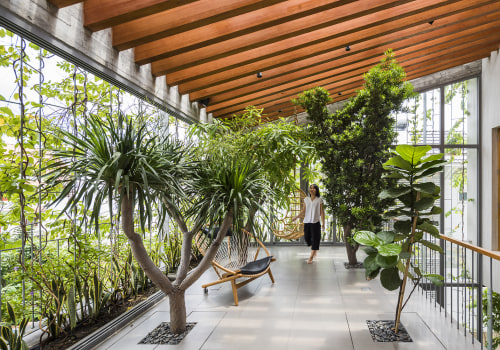
The biophilic design trend integrates natural elements into furniture, creating a connection with nature.This approach often includes organic shapes, natural materials like wood and stone, and indoor plants. By incorporating biophilic principles, homeowners can enhance their well-being and create a calming atmosphere.
4.Modular and Adaptive Furniture:
Modular furniture that can be rearranged or adapted to different spaces is becoming increasingly popular. This flexibility reduces the need for purchasing new items when layouts change, making it a sustainable choice for evolving homes.5.Eco-Friendly Fabrics:
The use of organic and recycled fabrics is on the rise in sustainable furniture design. Materials such as organic cotton, hemp, and recycled polyester not only minimize environmental impact but also offer durability and comfort. Incorporating these trends into your home renovation can significantly enhance your space while supporting the shift towards a more sustainable lifestyle.Choosing sustainable furniture means investing in pieces that are not only stylish but also beneficial for the planet.
Understanding Sustainable Materials
When it comes to sustainable furniture choices, the materials used play a critical role in both the environmental impact and overall aesthetics of your home. By opting for eco-friendly materials, homeowners can contribute to a healthier planet while enjoying unique and stylish pieces.Bamboo
is one of the most popular sustainable materials due to its rapid growth and renewability. Unlike traditional hardwoods, bamboo can reach maturity in just three to five years, making it a highly sustainable choice. Additionally, bamboo furniture is durable, lightweight, and often has a modern aesthetic that fits well in various home designs.Reclaimed Wood
is another excellent option, as it repurposes timber from old buildings, furniture, or other sources.This not only reduces waste but also adds character and history to your home. Each piece of reclaimed wood tells a story, and its unique imperfections enhance the overall design of your space.
Cork
is an innovative material harvested from the bark of cork oak trees, which naturally regrows after harvesting. This makes cork an exceptionally sustainable resource. It is also naturally resistant to mold and mildew, making it an excellent choice for eco-friendly furniture that promotes a healthy living environment.Organic Cotton
and Linen are fantastic options for upholstery and soft furnishings.Grown without harmful pesticides or synthetic fertilizers, organic cotton is better for the planet and safer for those with allergies. Linen, made from flax plants, also requires fewer resources to grow and process, making it a more sustainable fabric choice. Finally, recycled plastics are becoming increasingly popular in furniture design. By transforming waste materials into stylish furnishings, manufacturers can help reduce pollution and conserve resources. These products are often durable and versatile, making them perfect for both indoor and outdoor use. Incorporating these eco-friendly materials into your home renovation not only supports sustainable practices but also enhances the beauty and functionality of your living space.
Budgeting for Sustainable Choices
When embarking on a home renovation, sustainable furniture choices can often seem daunting, especially when it comes to budgeting.However, with careful planning and strategic decisions, you can incorporate eco-friendly options without breaking the bank. Here are some tips to help you budget for sustainable furniture.Firstly, prioritize your needs. Make a list of essential items that require replacement or upgrading. Focus on high-impact pieces, such as sofas, dining tables, or beds, which play a significant role in both aesthetics and functionality.
Investing in quality sustainable furniture for these key areas will have the most significant impact. Secondly, research materials and certifications. Look for furniture made from reclaimed wood, recycled materials, or sustainably sourced resources. Certifications like FSC (Forest Stewardship Council) or GREENGUARD can help you identify genuinely eco-friendly options. This research may also reveal budget-friendly alternatives that align with your sustainability goals. Another effective strategy is to shop second-hand.
Thrift stores, consignment shops, and online marketplaces are treasure troves for sustainable furniture choices. Not only do you save money, but you also contribute to reducing waste by giving new life to pre-owned items. Consider DIY projects as well. If you have some skills or are willing to learn, refurbishing old furniture can be a cost-effective way to create unique pieces while ensuring they meet your sustainable standards. Upcycling allows you to personalize your space and keep costs down. Additionally, don't forget to factor in long-term savings.
While sustainable furniture may require a higher upfront investment, many eco-friendly products are designed for durability and longevity. This means fewer replacements over time, ultimately saving you money in the long run. Lastly, set a realistic budget that includes all aspects of your renovation. Allocate funds specifically for sustainable choices, and keep track of expenses throughout the process. Being disciplined with your budget will help ensure that you can afford the eco-friendly options that are essential to your vision. By following these budgeting tips, you can successfully incorporate sustainable furniture choices into your home renovation project while remaining financially responsible. In conclusion, Sustainable Furniture Choices play a crucial role in enhancing the overall quality of your home renovation while contributing to environmental preservation.
We have explored various aspects, including Understanding Sustainable Materials, the latest Current Trends in Sustainable Furniture Design, effective Budgeting for Sustainable Choices, engaging DIY Sustainable Furniture Projects, and strategies for Visualizing Your Sustainable Space. Each of these elements emphasizes the importance of making informed decisions that align with eco-friendly practices. By choosing sustainable furniture, you not only beautify your living space but also support a healthier planet. It is essential to recognize that every purchase has an impact, and by opting for sustainable options, you can contribute to a collective movement towards a more sustainable future. We encourage you to reflect on your choices and embrace the benefits that come with incorporating sustainable furniture into your home renovation projects.