DIY Home Improvement Projects · Interior Projects · How to Paint a Room Like a Pro ·
Transform Your Space with Expert Painting Techniques
Discover essential tips and tricks for painting a room like a pro, including DIY techniques, design ideas, and eco-friendly options.
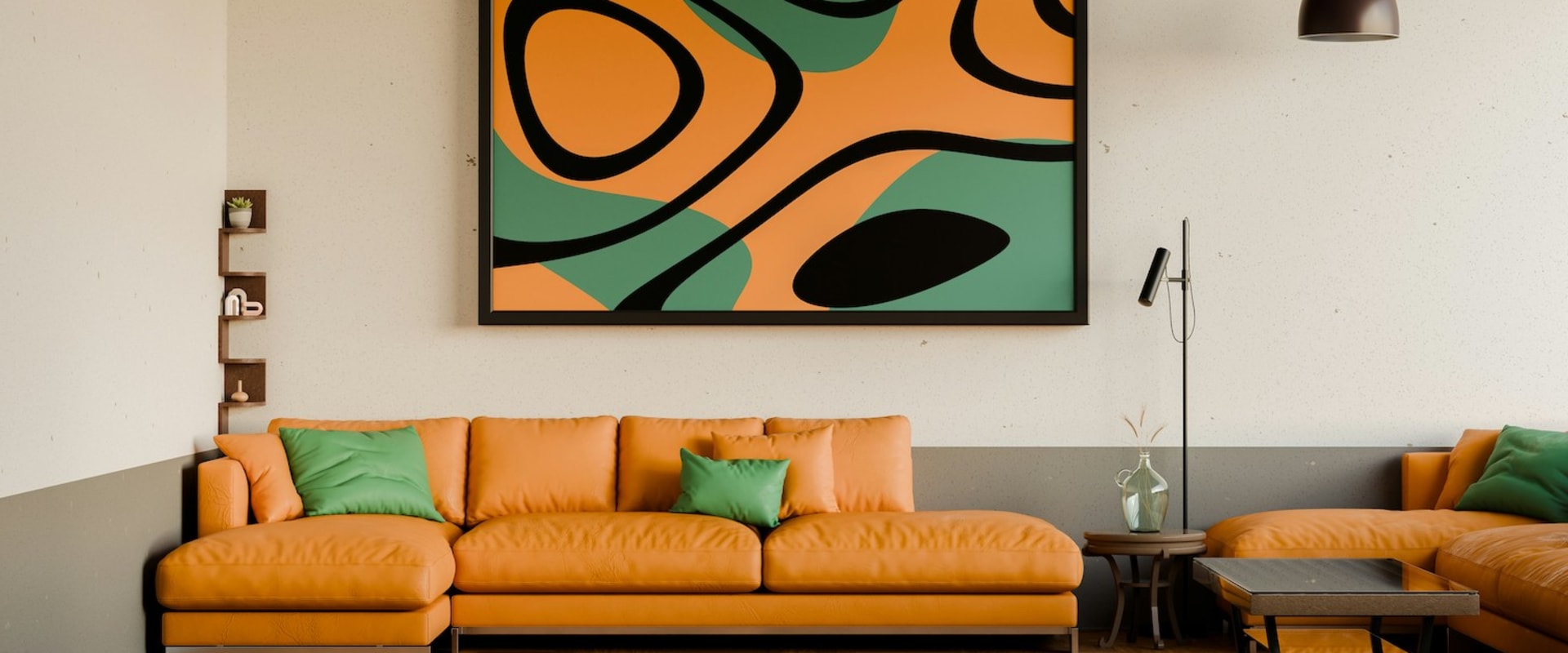
Are you ready to transform your living space into a stunning masterpiece? How to Paint a Room Like a Pro is a skill that can elevate any home, making it feel fresh and inviting. Whether you're looking to add a splash of color to your bedroom, create an accent wall in your living room, or completely overhaul the atmosphere of your home, mastering the art of painting is essential. Many homeowners shy away from DIY painting projects, fearing that they lack the expertise or tools needed for a professional finish. However, with the right techniques and a little know-how, anyone can achieve results that rival those of seasoned painters. In this article, we'll explore expert painting techniques that will not only save you money but also give you a sense of accomplishment and pride in your work. From selecting the perfect color palette to understanding the importance of preparation and technique, we will guide you through every step of the process.
So grab your brushes and get ready to unleash your creativity as we dive into the world of painting. Let’s make your home a reflection of your style with these insider tips and tricks!Transforming your space begins with understanding the **transformative power of paint** in home renovation. A fresh coat can rejuvenate a space and set the tone for the entire room, making it feel brand new. Statistics indicate that a well-chosen color can significantly affect mood and perception in interior design.
For example, studies show that blue hues can evoke calmness while vibrant yellows can inspire creativity. As you envision your dream space, consider how **painting** plays a crucial role in achieving that vision. The first step in painting a room like a pro is **preparation and planning**. This involves measuring the space to determine how much paint you will need, selecting your colors, and gathering necessary materials. Before diving into the project, take time to create a cohesive design scheme that reflects your style.
Understanding **color theory** is vital; complementary colors can create harmony, while contrasting shades can add excitement and depth. Next, selecting the right **paint type and finish** is essential for achieving the desired look. Consider whether you want matte, eggshell, satin, or glossy finishes—each has its advantages depending on the room’s function. For example, bathrooms and kitchens benefit from washable finishes due to their moisture levels. Additionally, choose between latex or oil-based paints based on durability and ease of cleaning. Once you have your paint selected, focus on **surface preparation**.
This step cannot be overlooked as it directly impacts the final result. Begin by cleaning the walls to remove dust and grease. If there are any holes or imperfections, use spackle or joint compound to patch them up before sanding the surfaces for a smooth finish. Priming is another crucial step that helps the paint adhere better and enhances the color vibrancy. When it comes to tools, having the right equipment will make your project more manageable and enjoyable.
Invest in quality brushes and rollers; synthetic brushes work well with water-based paints, while natural bristle brushes are best for oil-based options. Don’t forget drop cloths to protect your floors and furniture from spills and splatters. A painter’s tape will help you achieve clean edges along trim and corners. Applying paint evenly can be tricky for beginners, but there are techniques to avoid common pitfalls. Start by cutting in around edges with a brush before using a roller for larger areas.
Apply paint in thin layers rather than thick ones to prevent drips and uneven textures. Remember to allow adequate drying time between coats for optimal results. Popular **color schemes** often shift with trends but some classics remain timeless. Neutral palettes provide a versatile backdrop that works with various decor styles, while bold accent walls can become focal points in a room. Incorporating seasonal colors can also keep your space feeling fresh without a complete overhaul. Budgeting is another important aspect of any DIY project.
If you’re considering hiring professionals versus tackling the project yourself, weigh your options carefully. Hiring experts may save time and provide a polished finish but will come at a higher cost. Conversely, doing it yourself can be budget-friendly but requires time investment and a willingness to learn. For those environmentally conscious homeowners, exploring **eco-friendly paint options** is essential. Many brands offer low-VOC (volatile organic compounds) or zero-VOC paints that reduce harmful emissions without sacrificing quality. If you’re considering hiring professionals versus tackling the project yourself, weigh your options carefully. Hiring experts may save time and provide a polished finish but will come at a higher cost. Conversely, doing it yourself can be budget-friendly but requires time investment and a willingness to learn. For those environmentally conscious homeowners, exploring **eco-friendly paint options** is essential. Many brands offer low-VOC (volatile organic compounds) or zero-VOC paints that reduce harmful emissions without sacrificing quality.
Additionally, adopting sustainable practices like reusing materials or recycling old paint cans contributes to a greener home improvement project. Throughout the painting process, potential disagreements about paint choices or methods may arise, especially if you share your home with others. It’s crucial to remember that personal preference plays a significant role in design decisions. Open communication about choices can lead to collaborative solutions that satisfy everyone involved. Ultimately, painting a room like a pro is within reach of anyone willing to put in the effort. By following these steps—from preparation and planning through execution—you’ll not only enhance your living space but also gain valuable skills for future DIY projects.
Preparing Your Space
Before you dive into the exciting world of painting, it’s essential to prepare your space properly.This step can make a significant difference in achieving a professional finish and ensuring a smooth painting process. Start by clearing the room. Move as much furniture as possible out of the way to create an open area for your painting project. If certain pieces are too large or heavy to move, shift them to the center of the room and cover them with drop cloths or plastic sheeting to protect them from paint splatters. Next, protect your furniture and flooring. Use painter's tape to mask off areas where you don’t want paint, such as trim, windows, and door frames.
Lay down drop cloths or old sheets on the floor to catch any drips or spills. This will save you time and effort during cleanup. Once the space is clear and protected, it’s time to prep surfaces. Clean the walls thoroughly to remove dust, dirt, and grease, which can interfere with paint adhesion. For best results, consider washing the walls with a mild detergent solution and rinsing them well.
If you notice any holes or imperfections, fill them with spackle or caulk and sand the areas smooth once they are dry. Finally, ensure that the walls are dry before you start painting. Taking these steps to prepare your space will help you achieve a flawless finish and make your painting project enjoyable and efficient.
Eco-Friendly Painting Options
In today's world, it's essential to consider the environmental impact of our choices, especially when it comes to home improvement projects.Eco-friendly painting options
not only help protect the planet but also enhance the quality of the indoor environment. By choosing sustainable paint brands and practices, you can minimize your carbon footprint while achieving a beautiful finish in your home. There are several reputable brands that offer low-VOC (volatile organic compounds) and zero-VOC paints, which significantly reduce harmful emissions.Brands like Benjamin Moore, Sherwin-Williams, and Behr have developed eco-friendly lines that provide excellent coverage and durability without compromising on performance. Another great option is to use natural paints made from ingredients like clay, chalk, or plant-based materials. Companies such as Auro and Earthborn specialize in these types of paints, which are not only safe for the environment but also offer unique textures and finishes that can elevate your space. Additionally, consider adopting sustainable painting practices. This includes using eco-friendly tools, such as brushes and rollers made from recycled materials, and properly disposing of any leftover paint at local recycling centers to prevent environmental contamination. By opting for eco-friendly painting options, you can create a stunning space while being mindful of your ecological footprint. Not only will your home look great, but you'll also contribute positively to the environment and promote healthier living conditions for you and your family.
Inspiration from Before-and-After Examples
Transforming a room through paint can yield stunning results, and there’s nothing quite like before-and-after examples to ignite your creativity.Consider a living room that was once draped in dull beige. After a fresh coat of a vibrant teal, the space not only feels more inviting but also reflects the personality of its occupants. Such transformations are not just aesthetic; they can drastically change the atmosphere of a home. For instance, a small bedroom painted in soft pastel shades can create an illusion of space and tranquility. In contrast, bold colors like deep navy or rich burgundy can add drama and warmth, making the room feel cozy and luxurious.
These examples highlight how color choice influences both the look and feel of a room. Another inspiring case is a dated kitchen that underwent a makeover with bright white cabinets and a cheerful yellow accent wall. This simple change brightened the area, making it feel more modern and inviting for family gatherings. The use of light colors can open up tight spaces, making them feel larger and more airy. As you explore these real-life transformations, picture your own spaces and how you can replicate similar results. Whether it's a living room, bedroom, or kitchen, envision the potential of paint to redefine your environment.
Remember that every color has its own emotional effect, so consider what vibe you want to create in your home. With countless examples available online, such as on platforms like Pinterest or Instagram, you can find inspiration tailored to your style preferences. These visuals serve as powerful motivators to embark on your own painting project, allowing you to see the extraordinary possibilities that lie within just a few strokes of a brush.
Choosing the Right Paint
When it comes to painting a room like a pro, selecting the right paint is crucial for achieving a flawless finish and ensuring durability. There are two primary types of paint to consider: latex and oil-based. Each type has its advantages and disadvantages that can influence your decision.Latex paint
, made from water-based materials, is popular due to its quick drying time, easy cleanup with soap and water, and low levels of volatile organic compounds (VOCs).It’s perfect for interior walls and ceilings, providing a flexible finish that resists cracking. On the other hand, oil-based paint offers a more durable finish, ideal for areas that require extra toughness, such as trim, doors, and cabinets. However, it takes longer to dry and requires solvents for cleanup. In addition to the type of paint, the finish plays a significant role in the overall look of your painted surface. Common finishes include matte, satin, and gloss.
A matte finish provides a non-reflective surface that can help hide imperfections but is less washable than other finishes. Satin finishes offer a soft sheen that is both durable and easy to clean, making them suitable for high-traffic areas. Gloss finishes are highly reflective and incredibly durable, making them great for surfaces that need to withstand wear and tear. When selecting colors for your room, consider how they will complement your existing decor. Use a color wheel to help identify complementary shades or consider using an online color visualizer to see how different hues will look together.
Remember that colors can evoke different moods; for instance, blues are calming, while yellows can energize a space. Take time to test paint samples on your walls before committing to a final choice to ensure you love the look in different lighting throughout the day.
Techniques for Application
When it comes to painting a room like a pro, mastering different painting techniques is essential. Each method has its own advantages and is suited for various surfaces and areas within your space.Cutting in
is a vital technique that involves painting the edges of walls and ceilings before using a roller. This allows for clean lines and prevents paint from smudging onto adjacent surfaces.To cut in effectively, use a high-quality angled brush, dip it in paint, and gently run it along the edge while keeping a steady hand. This technique requires practice, but with patience, you can achieve sharp, professional-looking edges. Next, let’s discuss rolling. This method is ideal for covering larger wall surfaces quickly and efficiently. Start by using a roller with an appropriate nap length for your wall texture—shorter naps are best for smooth surfaces, while longer naps work well on textured walls.
Pour your paint into a tray, load the roller evenly, and apply it in a W or M pattern to ensure even coverage without leaving roller marks. Remember to overlap each stroke slightly as you move down the wall to avoid streaks. For those tackling larger areas or looking for a smooth finish, spray painting can be a game changer. This technique is particularly useful for furniture, doors, and trim. When using a spray can or sprayer, ensure you’re working in a well-ventilated area and wear appropriate protective gear.
Hold the sprayer about 12 inches from the surface and use steady, sweeping motions to apply an even coat. Multiple thin layers are preferable to one thick layer, as this helps prevent drips and achieves a flawless finish. By incorporating these essential painting techniques, you can transform your space with precision and style. Practice makes perfect, so don’t hesitate to experiment with these methods on smaller projects before tackling larger rooms.
Budgeting Your Project
When embarking on your painting journey, budgeting is a crucial step that can help you achieve your vision without breaking the bank. Begin by estimating the costs for materials, which typically include paint, primers, brushes, rollers, painter's tape, and drop cloths.For an average-sized room, you might need around one gallon of paint for every 400 square feet. Prices can vary based on the quality of paint and brand, but budgeting around $30 to $60 per gallon is a good starting point. Don't forget to consider the cost of additional supplies. Brushes and rollers may cost anywhere from $5 to $25 each, and painter's tape usually runs about $5 to $10 per roll. If you're planning to use a primer, factor in another $15 to $30 per gallon.
Always opt for high-quality materials when possible, as they can lead to better results and reduce the need for touch-ups later. If you plan to hire professionals, labor costs can vary significantly based on your location and the complexity of the job. On average, painters charge between $20 to $50 per hour or may provide a flat rate based on the size of the room. To get an accurate estimate, consider reaching out to multiple contractors for quotes and always check their reviews and credentials. To save on costs, look for deals on supplies by checking local hardware stores or online marketplaces. Many stores offer discounts during seasonal sales or when purchasing in bulk.
Additionally, consider using leftover paint from previous projects or even asking friends or family if they have any unused supplies you can borrow. By carefully estimating your project costs and seeking out deals, you’ll ensure that your painting project stays within budget while achieving the professional look you desire. In conclusion, transforming your space with a fresh coat of paint can truly rejuvenate your home and set the desired tone for any room. By choosing the right paint, preparing your space, and applying effective techniques, you can achieve results that rival professional work. Remember, budgeting your project wisely and considering eco-friendly painting options not only enhances your space but also contributes positively to the environment. The inspiration from before-and-after examples serves as a testament to the incredible impact paint can have on a room. So, don’t hesitate to take that first step in your painting project.
Embrace your creativity and let your vision come to life with every brushstroke. With the right tools and preparation, you are well on your way to creating the dream space you’ve always envisioned.